In this article, we’ll explore: 8 Foods To Avoid With an Upset Stomachand What To Eat Instead and why it matters today.
Related:
👉 The Unseen Symphony: How Hormones Shape Women's Risk in the Face of Traumatic Stress
👉 Decoding the Fertility Puzzle: Why Women with Polycystic Ovary Syndrome Exhibit Impaired Endometrial Receptivity with Excessive ER and Histone Lactylation
👉 Tummy Trouble SOS: 8 Foods To Avoid With an Upset Stomach and What To Eat Instead for Quick Relief
Learn more: 8 Foods To Avoid With an Upset Stomachand What To Eat Instead on Google Search
Ah, the dreaded upset stomach. We’ve all been there, haven’t we? That familiar gurgle, the sudden cramp, the queasy feeling that makes even your favorite food seem utterly unappealing. It’s a miserable experience, and when your tummy is doing flip-flops, the last thing you want to do is make it worse. But sometimes, in our quest for comfort, we accidentally reach for foods that, while seemingly innocent, can actually fan the flames of indigestion.
You know the drill: you just want to feel better, and quickly. Maybe you’re nursing a stomach bug, dealing with a bout of indigestion, or perhaps you’ve eaten something that just didn’t agree with you. Whatever the cause, choosing the right (or wrong) foods can make a world of difference in your recovery. That’s why understanding **8 Foods To Avoid With an Upset Stomach and What To Eat Instead** is crucial for anyone seeking relief and a quicker path back to feeling like yourself.
Think of your digestive system like a delicate ecosystem. When it’s working smoothly, it’s a symphony of enzymes and acids. But when it’s upset, it’s like a cranky toddler – easily irritated and prone to dramatic outbursts. The good news? You have more control than you think. By making smart food choices, you can either calm the storm or, unfortunately, stir it up even more. Let’s dive into the common culprits to steer clear of and discover the gentle heroes that can bring you comfort.
The “No-Go” List: 8 Foods to Avoid When Your Tummy is Troublesome
When your stomach is feeling delicate, it’s essentially sending out an SOS. Loading it with difficult-to-digest or irritating foods is like trying to put out a fire with gasoline. Here are eight common offenders that are best to avoid:
1. Spicy Foods
Oh, how we love a good kick! But when your stomach is upset, that fiery sensation from chili peppers, hot sauces, or even black pepper can become a nightmare. Capsaicin, the compound that gives chilies their heat, can irritate the stomach lining and digestive tract, potentially leading to increased pain, heartburn, and even diarrhea. Imagine trying to soothe a sunburn with more sun – it just doesn’t work!
2. Fried and Greasy Foods
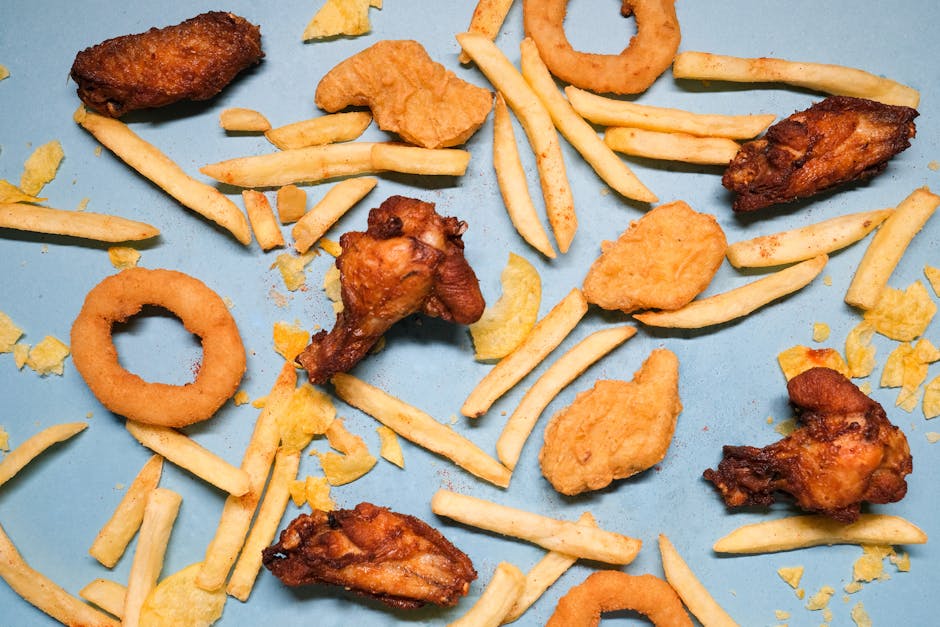
Think about that crispy fried chicken or those golden French fries. Delicious, right? But these foods are loaded with fats that are notoriously difficult for an upset digestive system to process. High-fat foods can slow down stomach emptying, leading to feelings of fullness, nausea, and even acid reflux. They can also stimulate bile production, which might exacerbate diarrhea. It’s like asking a tired engine to tow a heavy load – it’ll struggle and complain.
3. High-Fiber Foods (Especially Raw Vegetables)
Wait, isn’t fiber good for you? Absolutely, under normal circumstances! But when your stomach is irritated, a sudden influx of tough-to-digest insoluble fiber found in raw vegetables (like broccoli, cabbage, or leafy greens) can be too much. It can lead to increased gas, bloating, and discomfort. While soluble fiber can be helpful, it’s best to stick to very low-fiber options initially to give your gut a rest. Think of it as giving your digestive muscles a much-needed vacation.
4. Dairy Products (Especially Lactose-Rich)
For many, dairy can be a source of comfort. But if you’re lactose intolerant (which many people are, even unknowingly, especially when their gut is compromised), dairy products like milk, cheese, and ice cream can cause significant distress. Lactose is a sugar that requires a specific enzyme (lactase) to break down. When lactase is insufficient, lactose ferments in the gut, leading to gas, bloating, cramps, and diarrhea. Even if you usually tolerate dairy, an upset stomach can temporarily reduce lactase production, making you more sensitive.
5. Caffeinated Drinks
Your morning coffee might be your lifeblood, but when your stomach is upset, it’s best to hit pause. Caffeine is a stimulant that can increase stomach acid production and act as a laxative, potentially worsening diarrhea or stomach cramps. Sodas and energy drinks also fall into this category, often combining caffeine with high sugar content and artificial ingredients that can further irritate your gut. Stick to water for now!
6. Alcohol
This one might seem obvious, but it bears repeating. Alcohol is a direct irritant to the stomach lining. It can increase stomach acid, cause inflammation, and dehydrate you, all of which are terrible news for an already upset stomach. Even a small amount can delay recovery and intensify symptoms like nausea and heartburn. Just say no until you’re back to 100%.
7. Acidic Foods (Citrus Fruits, Tomatoes)
While vitamin C is great, the high acidity in foods like oranges, grapefruits, lemons, and tomatoes (and tomato-based products like pasta sauce) can be particularly harsh on an inflamed stomach lining. This acidity can trigger or worsen heartburn, acid reflux, and general stomach discomfort. It’s like pouring lemon juice on a cut – ouch!
8. Artificial Sweeteners and Sugar Alcohols
Often found in “sugar-free” products, artificial sweeteners (like aspartame, sucralose) and sugar alcohols (like sorbitol, xylitol, mannitol) are notorious for causing digestive distress. They can be poorly absorbed and fermented by gut bacteria, leading to gas, bloating, and diarrhea, even in people with healthy digestive systems. When your stomach is already sensitive, these can be a guaranteed recipe for misery.
The “Yes-Please” List: What to Eat Instead for Soothing Comfort
Now that we know what to avoid, let’s talk about the good stuff – the gentle, comforting foods that can help your stomach heal and settle down. The goal here is bland, easy-to-digest, and hydrating.
1. The BRAT Diet Staples
The BRAT diet (Bananas, Rice, Applesauce, Toast) has been a go-to for generations, and for good reason:
- Bananas: Easy to digest, rich in potassium (which can be depleted by vomiting/diarrhea), and can help firm up stool.
- White Rice: Low in fiber, bland, and provides simple carbohydrates for energy without irritating the gut.
- Applesauce: Cooked apples are easier to digest than raw, and applesauce provides pectin, a soluble fiber that can help with diarrhea.
- Plain Toast: Opt for white bread or sourdough. It’s low in fiber and easy to digest, providing simple carbs. Avoid butter or spreads initially.
2. Clear Broths and Soups
Chicken or vegetable broth (low-sodium) is excellent for hydration and replenishing electrolytes. They provide a little nourishment without overwhelming your system. Gradually, you can add plain, well-cooked chicken or soft, peeled vegetables to make a simple, comforting soup.
3. Ginger
Ginger is a natural anti-inflammatory and has long been used to alleviate nausea. Sip on ginger tea (made from fresh ginger root, not overly sweetened) or try small amounts of ginger chews. Just make sure they aren’t too sugary or spicy.
4. Herbal Teas
Peppermint and chamomile teas are renowned for their soothing properties. Peppermint can help relax digestive muscles, while chamomile is known for its calming effect and anti-inflammatory benefits. Just ensure they are plain, unsweetened teas.
5. Plain Boiled or Baked Potatoes
Like rice, potatoes (peeled and plain) are a good source of easily digestible carbohydrates. They are bland and can help absorb excess stomach acid, providing a comforting, filling option.
6. Lean, Plain Protein
Once you start feeling a little better, small amounts of lean protein can aid recovery. Think boiled chicken breast (shredded), baked white fish (like cod or sole), or even scrambled eggs (if tolerated). The key is plain preparation – no spices, no oils.
7. Oatmeal
Plain, cooked oatmeal (not instant, sugary varieties) is a good source of soluble fiber, which can be gentle on the stomach and help regulate bowel movements. Cook it with water, not milk, and avoid adding sugar or fruit initially.
8. Water, Water, Water!
It might seem too simple, but staying hydrated is paramount when you have an upset stomach, especially if you’re experiencing vomiting or diarrhea. Small sips throughout the day are better than gulping large amounts, which can trigger more nausea. Electrolyte solutions (like diluted sports drinks or oral rehydration solutions) can also be beneficial.
Key Takeaways for a Happy Tummy
- Listen to Your Body: Everyone is different. What bothers one person might not bother another. Pay attention to how different foods make you feel.
- Start Bland, Go Slow: When recovering, begin with the most basic, bland foods and gradually reintroduce others. Don’t rush the process.
- Hydration is Key: Keep sipping on water, clear broths, or herbal teas to prevent dehydration.
- Avoid Irritants: Steer clear of spicy, greasy, acidic, and caffeinated items until your stomach has fully recovered.
FAQ: Your Upset Stomach Questions Answered
Q1: How long should I follow a bland diet for an upset stomach?
A: Generally, a bland diet is recommended for 24-48 hours after your symptoms start to improve. Once you feel significantly better, you can gradually reintroduce your regular diet, one food at a time, to see how you tolerate them. If symptoms persist, consult a doctor.
Q2: Can I drink coffee with an upset stomach?
A: It’s best to avoid coffee and other caffeinated beverages when your stomach is upset. Caffeine can stimulate stomach acid production and act as a laxative, potentially worsening your symptoms. Stick to water or herbal teas.
Q3: What if my stomach still hurts after eating bland foods?
A: If your stomach pain or other symptoms persist or worsen despite eating bland foods and staying hydrated, it’s crucial to seek medical attention. Persistent severe pain, high fever, bloody stools, or signs of severe dehydration warrant a doctor’s visit.
Q4: Are there any specific drinks I should avoid/prefer besides water?
A: Avoid sugary sodas, fruit juices (especially acidic ones), alcohol, and caffeinated drinks. Besides water, clear broths, diluted electrolyte solutions, and soothing herbal teas like ginger or chamomile are your best bets.
Having an upset stomach is never fun, but with the right knowledge, you can make informed choices that support your body’s healing process. By understanding the **8 Foods To Avoid With an Upset Stomach and What To Eat Instead**, you’re empowering yourself to navigate through discomfort with greater ease and get back to feeling your best, sooner rather than later. So, be kind to your tummy, choose wisely, and here’s to a speedy recovery!
Written with love and assistance and refined for quality.
{“@context”:”https://schema.org”,”@type”:”Article”,”headline”:”Navigating the Nausea: 8 Foods To Avoid With an Upset Stomach and What To Eat Instead for Soothing Relief”,”description”:”In this article, weu2019ll explore: 8 Foods To Avoid With an Upset Stomachand What To Eat Instead and why it…”,”author”:{“@type”:”Person”,”name”:”rahuljait”},”datePublished”:”2026-05-15T10:32:53+00:00″,”dateModified”:”2026-05-15T10:32:53+00:00″,”mainEntityOfPage”:”https://healthyworldz.com/navigating-the-nausea-8-foods-to-avoid-with-an-upset-stomach-and-what-to-eat-instead-for-soothing-relief/”,”image”:[“https://healthyworldz.com/wp-content/uploads/2026/05/8-foods-to-avoid-with-an-upset-stomachand-what-to-eat-instead-51.jpg”]}
🔗 Related: Women with polycystic ovary syndrome exhibit…
🔗 Related: Hormonal mechanisms of womens risk in…
🔗 Related: 8 Foods To Avoid With an…