In this article, we’ll explore: 8 Foods To Avoid With an Upset Stomachand What To Eat Instead and why it matters today.
Related:
👉 The Womb's Silent Struggle: Understanding Why Women with Polycystic Ovary Syndrome Exhibit Impaired Endometrial Receptivity with Excessive ER and Histone Lactylation
👉 Navigating the Queasy: 8 Foods To Avoid With an Upset Stomach and What To Eat Instead
👉 Unlocking the Mystery: How PCOS Impacts Uterine Receptivity Through Excess Estrogen Receptors and Histone Lactylation
Learn more: 8 Foods To Avoid With an Upset Stomachand What To Eat Instead on Investopedia
We’ve all been there, haven’t we? That familiar gurgle, the sudden cramp, the general feeling of “oh no.” An upset stomach can derail your entire day, turning even the simplest tasks into monumental efforts. Whether it’s a lingering indigestion, a touch of food poisoning, or just a general feeling of unease, knowing what to put into your body – and more importantly, what to *keep out* – is crucial for a speedy recovery.
It’s tempting to reach for comfort food when your stomach is rebelling, but often, those very treats are the culprits that prolong your misery. Think of your digestive system like a delicate ecosystem. When it’s out of whack, you need to be extra gentle and provide the right nourishment to help it heal, not hinder it further.
As an SEO expert, I know you’re likely searching for “8 Foods To Avoid With an Upset Stomach and What To Eat Instead” because you’re in the thick of it right now, or you want to be prepared. So, let’s dive into the common offenders that can make your stomach woes worse and then explore the soothing alternatives that will have you feeling better in no time.
The Usual Suspects: 8 Foods to Avoid When Your Tummy is Tumbling
When your stomach is feeling delicate, it’s essentially sending out an SOS signal, asking for a break. Bombarding it with hard-to-digest or irritating foods is like yelling at someone who’s already stressed. Here are the top contenders you should steer clear of:
1. Spicy Foods
Oh, the allure of a fiery curry or a plate of jalapeño-laden nachos! While they might tantalize your taste buds on a normal day, spicy foods are an absolute no-go when your stomach is upset. Capsaicin, the compound responsible for the heat in chili peppers, can irritate the lining of your stomach and intestines, leading to increased acid production, heartburn, and even more intense abdominal pain. It’s like pouring gasoline on a small fire – you’re just going to make things much, much worse. Remember that time you bravely tried to “sweat out” a cold with a super spicy soup and ended up with a stomachache *and* a cold? Yeah, don’t repeat that experiment when your tummy is already sensitive.
2. Fried and Greasy Foods
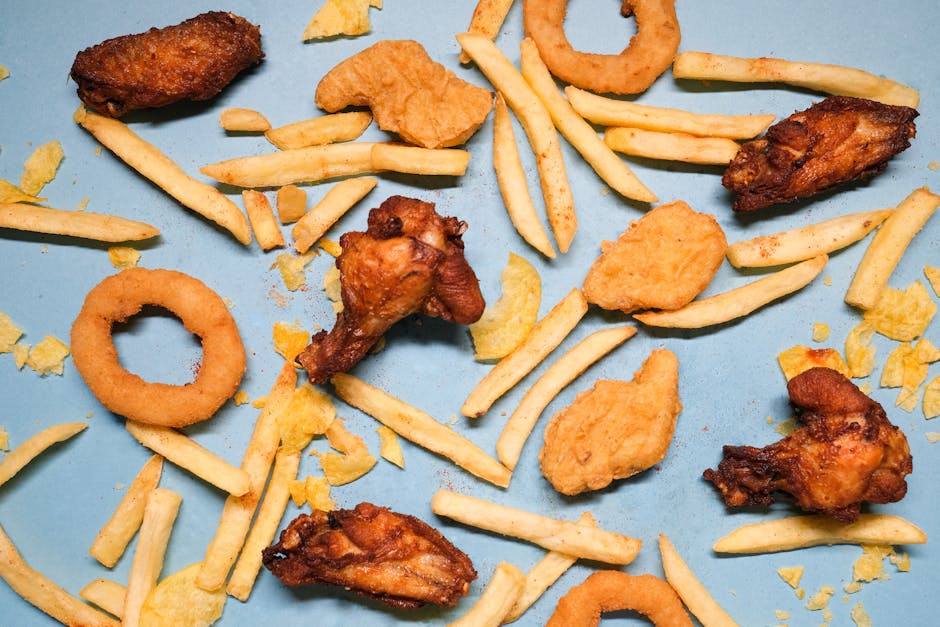
Think about your favorite greasy burger, a basket of crispy fries, or that decadent deep-fried chicken. Delicious, right? But these foods are loaded with fats that are notoriously difficult for your digestive system to break down, especially when it’s already compromised. When your stomach is upset, it struggles to process these fats efficiently, leading to indigestion, bloating, nausea, and even diarrhea. The fat sits in your stomach for longer, delaying gastric emptying and increasing the chances of discomfort. It’s like asking a broken-down car to carry a heavy load – it just won’t work well, and it might break down completely.
3. Dairy Products (Especially Lactose-Rich)
For many people, dairy products can be a tricky territory even on a good day. When your stomach is upset, it’s often even more sensitive to lactose, the sugar found in milk. An upset stomach can temporarily reduce the production of lactase, the enzyme needed to digest lactose, leading to temporary lactose intolerance. This can result in bloating, gas, cramps, and diarrhea. So, put down that glass of milk, skip the ice cream, and even be wary of cheese. While some fermented dairy like yogurt *can* be beneficial due to probiotics (more on that later), it’s best to proceed with caution or avoid it entirely if you’re feeling particularly sensitive.
4. Acidic Foods and Drinks
Citrus fruits (oranges, lemons, grapefruits), tomatoes, tomato-based sauces, and certain fruit juices are highly acidic. While they’re packed with vitamins, their acidity can further irritate an already inflamed stomach lining, leading to increased heartburn, acid reflux, and general discomfort. Imagine having a cut on your hand and then squeezing lemon juice on it – that’s essentially what you’re doing to your stomach. Even seemingly innocent orange juice can be a major trigger for an upset stomach.
5. Caffeine and Alcohol
Both caffeine and alcohol are known irritants to the digestive system. Caffeine, found in coffee, tea, and energy drinks, can stimulate bowel movements and increase stomach acid production, exacerbating symptoms like diarrhea and heartburn. Alcohol, on the other hand, is a direct irritant to the stomach lining and can lead to inflammation and nausea. It also dehydrates you, which is the last thing you need when your body is trying to recover. So, for now, swap your morning coffee for a soothing herbal tea and definitely skip that evening glass of wine.
6. High-Fiber Foods (Raw Vegetables, Whole Grains)
While fiber is fantastic for digestive health normally, when your stomach is upset, high-fiber foods can be too much to handle. Raw vegetables, legumes (beans, lentils), and some whole grains (like bran cereals) are difficult to digest and can lead to increased gas, bloating, and abdominal pain. The fiber acts like a scrub brush in your intestines, which is great for regularity but can be abrasive when your system is already inflamed. Think of it this way: you wouldn’t use a rough scrub brush on a sensitive wound, right?
7. Artificial Sweeteners and Sugary Foods
Many artificial sweeteners (like sorbitol, xylitol, and mannitol) are known to cause digestive issues, including gas, bloating, and diarrhea, even in healthy individuals. When your stomach is upset, these effects can be amplified. Similarly, highly sugary foods like candy, pastries, and sugary drinks can feed “bad” gut bacteria and lead to fermentation in the gut, causing gas and discomfort. Plus, a sugar crash can leave you feeling even more depleted.
8. Processed and Highly Refined Foods
This category is a broad one, encompassing things like fast food, packaged snacks, and anything with a long list of unpronounceable ingredients. These foods often contain a combination of unhealthy fats, artificial additives, preservatives, and high amounts of sugar or salt. They lack essential nutrients and can be incredibly difficult for your body to process, putting extra strain on an already struggling digestive system. Your body has to work harder to break them down, diverting energy that could be used for healing.
What To Eat Instead: Soothing Foods for a Speedy Recovery
Now that we know what to avoid, let’s talk about the good stuff – the gentle, healing foods that will help calm your stomach and get you back on track. The key here is bland, easy-to-digest, and hydrating. Think of the BRAT diet (Bananas, Rice, Applesauce, Toast) as a good starting point, but we can expand on it.
1. Clear Broths and Soups
Chicken broth, vegetable broth, or a simple clear soup are excellent choices. They provide essential hydration, electrolytes, and some nutrients without putting strain on your digestive system. They’re warm and soothing, which can be incredibly comforting. Just make sure they’re low in fat and not overly spiced.
2. Bananas
These are a true stomach superhero! Bananas are easy to digest, provide natural sugars for energy, and are rich in potassium, an electrolyte often lost during bouts of vomiting or diarrhea. They also contain pectin, a soluble fiber that can help firm up stools.
3. Plain White Rice
White rice is low in fiber and easy to digest, making it a perfect bland food. It provides simple carbohydrates for energy without irritating your stomach. Avoid brown rice initially, as its higher fiber content can be too much.
4. Applesauce
Like bananas, applesauce (unsweetened) contains pectin, which can help soothe the digestive tract. It’s also easy to digest and provides a gentle source of energy.
5. Toast (White Bread)
Plain white toast (without butter or jam) is another bland, easy-to-digest carbohydrate. It helps absorb excess stomach acid and provides a gentle source of energy. Avoid whole wheat toast initially due to its higher fiber content.
6. Boiled Potatoes
Plain, boiled, or baked potatoes (skin removed) are a good source of energy and easy to digest. They’re bland and won’t irritate your stomach.
7. Ginger
Ginger is a natural anti-inflammatory and has long been used to soothe nausea. Sipping on ginger tea (made from fresh ginger slices) or consuming small amounts of ginger ale (flat, not fizzy, and ideally homemade to avoid excessive sugar) can provide relief.
8. Herbal Teas
Peppermint, chamomile, and ginger teas are excellent choices. Peppermint can help relax stomach muscles, chamomile has anti-inflammatory properties, and ginger, as mentioned, is great for nausea.
9. Lean Proteins (Once You’re Feeling Better)
Once your stomach starts to settle, you can gradually introduce bland, lean proteins like baked chicken breast or white fish. Keep them plain, without heavy seasoning or sauces.
10. Probiotic-Rich Foods (Carefully)
If your stomach upset is related to an imbalance in gut bacteria (e.g., after antibiotics), some plain, unsweetened yogurt with live active cultures or kefir might be beneficial. However, introduce these *very carefully* and in small amounts, especially if you’re sensitive to dairy. Listen to your body!
Key Takeaways for a Happy Tummy
- **Listen to your body:** It’s the best guide. If something doesn’t feel right, don’t eat it.
- **Opt for bland, easy-to-digest foods:** Think simple carbs and clear liquids.
- **Stay hydrated:** Water, clear broths, and herbal teas are your friends.
- **Avoid irritants:** Spicy, greasy, acidic, and high-fiber foods, plus caffeine and alcohol, can make things worse.
- **Introduce foods slowly:** Don’t rush back to your normal diet. Gradually reintroduce foods as you feel better.
Frequently Asked Questions About Upset Stomachs and Diet
Q1: How long should I stick to a bland diet?
Generally, you should stick to a bland diet until your symptoms subside, which can be anywhere from 24 hours to a few days. Once you feel significantly better, gradually reintroduce other foods, one at a time, to see how your body reacts.
Q2: Can I drink soda when my stomach is upset?
It’s generally best to avoid soda. The carbonation can cause gas and bloating, and the high sugar content can exacerbate digestive issues. If you must have something fizzy, let it go flat first, but water or herbal tea is always a better choice.
Q3: What if I can’t keep anything down?
If you’re unable to keep down even sips of water or clear liquids for several hours, or if you experience severe pain, high fever, or blood in your vomit/stool, it’s crucial to seek medical attention. Dehydration can be dangerous, especially for children and the elderly.
Q4: Are crackers good for an upset stomach?
Yes, plain, saltine-type crackers can be helpful. They are bland, easy to digest, and can help absorb excess stomach acid. Just make sure they aren’t heavily seasoned or made with whole grains initially.
Conclusion
Dealing with an upset stomach is never fun, but making smart food choices can significantly speed up your recovery and ease your discomfort. By knowing the “8 Foods To Avoid With an Upset Stomach and What To Eat Instead,” you’re empowering yourself to take control of your digestive health. Remember, your body is trying to heal, so give it the gentle care and nourishing support it needs. Sip slowly, eat bland, and rest up – you’ll be back to feeling your vibrant self in no time!
Written with love and assistance and refined for quality.
{“@context”:”https://schema.org”,”@type”:”Article”,”headline”:”Tummy Trouble SOS: 8 Foods To Avoid With an Upset Stomach and What To Eat Instead for Quick Relief”,”description”:”In this article, weu2019ll explore: 8 Foods To Avoid With an Upset Stomachand What To Eat Instead and why it…”,”author”:{“@type”:”Person”,”name”:”rahuljait”},”datePublished”:”2026-05-15T09:49:46+00:00″,”dateModified”:”2026-05-15T09:49:46+00:00″,”mainEntityOfPage”:”https://healthyworldz.com/tummy-trouble-sos-8-foods-to-avoid-with-an-upset-stomach-and-what-to-eat-instead-for-quick-relief/”,”image”:[“https://healthyworldz.com/wp-content/uploads/2026/05/8-foods-to-avoid-with-an-upset-stomachand-what-to-eat-instead-50.jpg”]}
🔗 Related: Women with polycystic ovary syndrome exhibit…
🔗 Related: Hormonal mechanisms of womens risk in…
🔗 Related: 8 Foods To Avoid With an…