
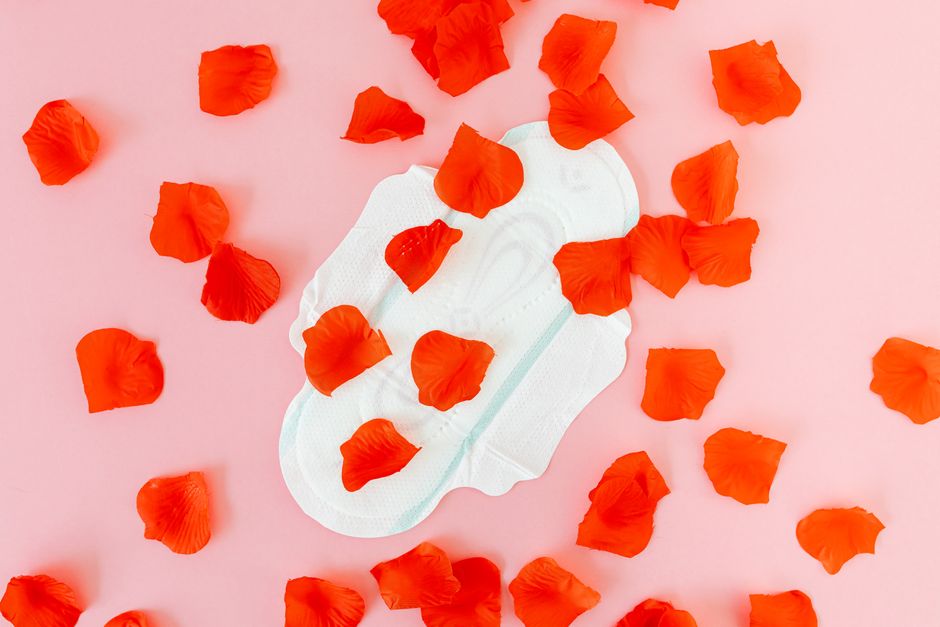
In this article, we’ll explore: women health and why it matters today.
Related:
👉 Empowering Every Commute: How the Union Health Ministry and the World Health Organization are Transforming Women’s Health on the Delhi Metro
👉 She was out to change the world and she said so: The death of feminist leader Gloria Steinem reminds us of what is at stake
👉 Reclaiming Your Vitality: A Real-Talk Guide to Navigating Women’s Health in Every Stage of Life
Learn more: women health on Investopedia
If you have ever felt like your body is a complex puzzle with pieces that don’t always seem to fit, you are not alone. For many of us, the topic of women health feels like a giant “to-do” list that we never quite finish. We are told to eat more greens, sleep eight hours, manage a career, keep a social life active, and somehow find time for a 15-step skincare routine. It is exhausting just thinking about it!
But here is the truth: health isn’t about perfection. It isn’t about being a “superwoman” who never gets tired or never eats a slice of pizza. Real health is about understanding how your unique body works, listening to the signals it sends you, and making small, sustainable choices that help you feel like the best version of yourself.
In this guide, we are going to move past the clinical jargon and the scary statistics. We’re going to talk about women health in a way that actually makes sense for your real, busy, messy, and beautiful life.
The Foundation: It Starts with How You Fuel and Move
We often treat our bodies like a car that we expect to run forever without ever changing the oil. We push ourselves to the limit and then wonder why we feel “blah.” When we talk about the basics of women health, we have to start with the two big pillars: nutrition and movement.
Eating for Energy, Not Just Weight
For decades, the conversation around women’s nutrition was focused almost entirely on weight loss. Thankfully, that is changing. Instead of asking “How can I eat less?” we should be asking “How can I fuel my body to handle my busy day?”
Take my friend Sarah, for example. Sarah is a 34-year-old graphic designer who lived on coffee until 2:00 PM every day. By 4:00 PM, she would crash, feel irritable, and grab the nearest sugary snack. She wasn’t “unhealthy” by clinical standards, but she felt terrible. Once she started prioritizing a protein-rich breakfast and complex carbs, her “afternoon slump” vanished. Her body didn’t need a miracle; it just needed consistent fuel.
- Prioritize Protein: It helps with muscle repair and keeps you full longer.
- Don’t Fear Fats: Healthy fats (like avocados and nuts) are crucial for hormone production.
- Hydrate: Most of the time when we feel a headache coming on, we’re actually just dehydrated.
Movement That You Actually Enjoy
If you hate running, don’t run. If the gym feels intimidating, don’t go. The best exercise for women health is the one you will actually do. Whether it’s a dance class, a brisk walk with your dog, or a heavy lifting session, movement is about keeping your bones strong and your heart happy.
The Invisible Engine: Understanding Your Hormones
Hormones are like the software running in the background of your computer. You don’t always see them, but if they glitch, the whole system starts acting up. From puberty through menopause, hormones play a massive role in how we feel, think, and sleep.
The Cycle is a Vital Sign
For those in their reproductive years, your menstrual cycle is more than just an inconvenience—it’s a vital sign. Changes in your cycle can be the first clue that something else is going on, like high stress levels or a thyroid issue. Tracking your cycle isn’t just for people trying to get pregnant; it’s a way to get to know your body’s natural rhythms.
The “M” Word: Menopause and Perimenopause
We need to talk about perimenopause more. Many women start experiencing changes in their late 30s or early 40s—brain fog, night sweats, or sudden anxiety—and they think they are losing their minds. In reality, it’s just the body transitioning. Understanding these shifts is a key part of long-term women health. You don’t have to suffer in silence; there are so many ways to manage these symptoms today.
The Mental Load: Why Your Mind Matters Just as Much
You cannot be physically healthy if you are mentally drained. Women often carry what sociologists call “the mental load”—the invisible labor of remembering birthdays, planning meals, managing household schedules, and performing at work. This constant “background noise” in the brain leads to chronic stress.
Chronic stress isn’t just a feeling; it’s a physical state. It raises cortisol levels, which can lead to inflammation, weight gain around the midsection, and poor sleep. Taking care of your mental health isn’t “self-indulgent.” It is a medical necessity.
- Set Boundaries: Saying “no” is a health habit.
- Find a Creative Outlet: Whether it’s painting or gardening, give your brain a break from “problem-solving mode.”
- Talk to Someone: Therapy isn’t just for crises; it’s for maintenance.
Preventive Care: The Appointments You Shouldn’t Skip
I know, I know. Nobody likes going to the doctor. But preventive care is the secret weapon of women health. Detecting a problem early is almost always easier than treating it later.
Make sure you stay up to date with:
- Annual Wellness Exams: A general check on blood pressure, cholesterol, and heart health.
- Pap Smears and HPV Testing: Crucial for cervical health.
- Mammograms: Generally starting at age 40 (or earlier if you have a family history).
- Bone Density Scans: Especially important as we age to prevent osteoporosis.
Health Through the Decades
Your health needs change as you grow. What worked for you at 22 might not work at 52, and that is perfectly okay.
In Your 20s and 30s
This is often the time of “building.” You are building your career, perhaps a family, and your bone density. Focus on establishing good habits now. Focus on calcium, vitamin D, and finding a stress-management routine that works for you.
In Your 40s and 50s
This is the “maintenance and transition” phase. Focus on muscle-preserving exercises (like strength training) and regular screenings. Pay attention to heart health, as estrogen levels begin to drop, which can affect your cardiovascular system.
In Your 60s and Beyond
This is about “quality of life.” Stay social, stay active, and focus on balance and flexibility to prevent falls. Nutrition should focus on high-quality proteins and fiber to keep your digestion and muscles in top shape.
Key Takeaways for Better Women Health
- Listen to your gut: If you feel like something is wrong, don’t let a doctor brush you off. You know your body best.
- Small wins count: Drinking one extra glass of water or taking a ten-minute walk is better than doing nothing at all.
- Sleep is non-negotiable: Your body repairs itself while you sleep. Treat your bedtime like an important meeting.
- Community matters: Women who have strong social connections tend to live longer, healthier lives.
Common Questions About Women Health (FAQ)
1. How much sleep do women actually need?
While everyone is different, most adult women need between 7 and 9 hours of quality sleep. Women often experience more sleep disruptions than men due to hormonal changes (like during pregnancy or menopause), so prioritizing “sleep hygiene” is extra important.
2. Why do I feel so tired all the time even if I eat well?
Persistent fatigue can be caused by many things, including iron deficiency (anemia), thyroid issues, or high stress. If you are getting enough sleep and eating well but still feel exhausted, it’s worth getting some blood work done to check your iron and hormone levels.
3. Is strength training “bulky” for women?
This is a common myth! Strength training helps women build lean muscle, which boosts metabolism and strengthens bones. It is very difficult for women to “bulk up” like bodybuilders without specific, intense training and dieting. For most of us, lifting weights just makes us feel stronger and more toned.
4. When should I start seeing a specialist for menopause?
You don’t have to wait until your period stops completely. If you are in your late 30s or 40s and notice changes in your mood, sleep, or cycle, you can talk to your OBGYN or a menopause specialist about perimenopause.
Final Thoughts
At the end of the day, women health is a personal journey. There is no “perfect” body or “perfect” lifestyle. There is only *your* body and *your* life. By staying curious, being kind to yourself, and staying on top of the basics, you can navigate the years ahead with confidence and vitality.
Remember: You can’t pour from an empty cup. Taking care of yourself isn’t just good for you—it’s good for everyone who relies on you, too. So, take that deep breath, schedule that overdue appointment, and maybe go for a walk this afternoon. Your future self will thank you.
Written with love and assistance and refined for quality.
🔗 Related: Perineal muscle strength as a predictor…
🔗 Related: MHRA launches initiative to improve female…
🔗 Related: She was out to change the…


Pingback: Why Laughter Shouldn’t Lead to Leaks: Understanding Pelvic Health for Young Moms in Mangaluru