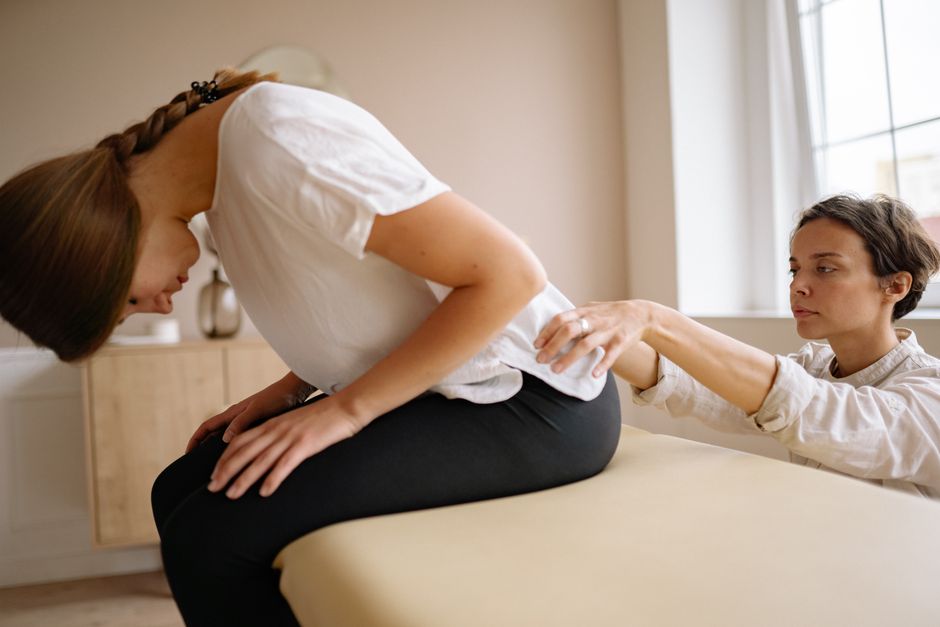
In this article, we’ll explore: Perineal muscle strength as a predictor of stress urinary incontinence among young parous women in Mangaluru India and why it matters today.
Related:
👉 Beyond the Basics: A Real-Talk Guide to Navigating Women Health and Feeling Your Best
👉 Beyond the Leak: Understanding Perineal Muscle Strength as a Predictor of Stress Urinary Incontinence among Young Parous Women in Mangaluru India
👉 Google Disrupts Its Search Advertising With Its Embrace of AI
Imagine this: You’re at a beautiful family gathering in the heart of Mangaluru. The smell of fresh Kori Rotti is in the air, cousins are laughing, and someone tells a joke that is absolutely hilarious. You start to laugh, but suddenly, you freeze. A tiny, involuntary leak happens. You’re only 28, you’ve had one beautiful baby boy, and you’re wondering, “Is this my life now?”
If this sounds familiar, you aren’t alone. For many young women in Mangaluru, India, this is a silent struggle. It’s called Stress Urinary Incontinence (SUI), and while it’s often discussed in the context of older age, it is surprisingly common among young “parous” women—a medical term for women who have given birth.
Today, we’re going to dive deep into a topic that doesn’t get enough “chai-time” conversation: perineal muscle strength as a predictor of stress urinary incontinence among young parous women in Mangaluru India. We’ll explore why this happens, how we can predict it, and most importantly, how we can fix it.
What is Stress Urinary Incontinence (SUI)?
Before we get into the science, let’s clear up a common misconception. SUI isn’t about being “stressed” mentally. It’s about physical pressure. When you cough, sneeze, jump, or laugh, the pressure inside your abdomen increases. If the muscles that support your bladder aren’t strong enough to hold the “door” shut, a little bit of urine escapes.
Think of your pelvic floor like a hammock. This hammock holds up your bladder, uterus, and bowels. When that hammock is tight and strong, everything stays in place. But after pregnancy and childbirth, that hammock can become stretched or weakened. In Mangaluru, where many women lead active lives—balancing career, household chores, and the physical demands of motherhood—this weakness can manifest quite early.
The Mangaluru Context: Why This Study Matters
Mangaluru is a unique blend of traditional values and modern living. Women here are increasingly health-conscious, yet pelvic health remains a “hush-hush” topic. Many young mothers believe that “leaking” is just a natural, albeit annoying, part of being a mom. They think it’s a price they have to pay for childbirth.
However, recent observations and studies focusing on perineal muscle strength as a predictor of stress urinary incontinence among young parous women in Mangaluru India suggest that we can actually predict who is at risk. By measuring the strength of the perineal muscles (the muscles between the vagina and the anus), healthcare providers can identify women who are likely to develop SUI before it becomes a chronic problem.
The “Parous” Factor: Why Childbirth Changes Things
Whether you had a vaginal delivery or a C-section, pregnancy itself puts immense pressure on the pelvic floor. Carrying a baby for nine months is like carrying a heavy weight in a bag; eventually, the bag’s handles might start to fray. In Mangaluru, where family sizes vary but the physical toll of caregiving is high, the impact on the perineal muscles is significant.
Perineal Muscle Strength: The Ultimate Predictor
Why do some women leak while others don’t? The answer often lies in the strength and coordination of the perineal muscles. In clinical settings across Mangaluru, researchers have found a direct correlation: the lower the muscle strength, the higher the likelihood of SUI.
When we talk about perineal muscle strength as a predictor of stress urinary incontinence among young parous women in Mangaluru India, we are looking at how these muscles respond to sudden pressure. If a woman’s pelvic floor muscles are weak, they cannot contract quickly enough to counteract a sneeze or a cough. By testing this strength early—perhaps during a postnatal checkup at a local clinic in Kuntikan or Hampankatta—doctors can intervene before the condition affects the woman’s quality of life.
How is Perineal Strength Measured?
- Digital Palpation: A simple, manual check by a physiotherapist or doctor to feel the strength of the contraction.
- Perineometers: Small devices that measure the actual pressure exerted by the pelvic muscles.
- Observation: Checking if the woman can lift and squeeze the pelvic floor without holding her breath or using her stomach muscles.
Real-Life Impact: The Story of Meera
Meera, a 31-year-old software engineer living in Bejai, Mangaluru, experienced SUI after her second child. She stopped going for her morning walks at Kadri Park because she was afraid of an “accident.” She felt embarrassed to talk to her husband about it, let alone a doctor.
“I thought it was just because I was getting older,” Meera shared. “But I’m only 31! I felt like I lost control of my own body.”
When Meera finally sought help, her therapist focused on her perineal muscle strength. By identifying that her “hammock” was weak on one side, they were able to create a targeted exercise plan. Within three months, Meera was back to her morning walks, leak-free. Her story highlights why predicting SUI through muscle testing is so vital—it leads to faster, more effective treatment.
Cultural Barriers in Mangaluru
In many Indian households, a woman’s health often takes a backseat to the needs of the children and the elderly. Furthermore, there is a stigma attached to “down there” problems. Many young women in Mangaluru might feel shy asking for a pelvic floor assessment.
We need to shift the narrative. Checking your perineal muscle strength should be as routine as checking your blood pressure or hemoglobin levels. It is a functional part of your body that deserves care and attention.
How to Strengthen Your “Hammock”
If you are a young mother in Mangaluru and you’ve noticed occasional leaks, don’t panic. The muscles of the pelvic floor are just like any other muscle—they can be trained!
1. Kegel Exercises
These are the gold standard. The key is to find the right muscles. Imagine you are trying to stop the flow of urine or trying to prevent passing gas. Squeeze, lift, and hold. But remember: don’t hold your breath!
2. Pelvic Floor Physiotherapy
Mangaluru has some excellent hospitals and private clinics with specialized women’s health physiotherapists. They can provide biofeedback, showing you exactly how your muscles are performing on a screen.
3. Core Stability
Your pelvic floor works in tandem with your deep abdominal muscles. Practices like Yoga (which is very popular in Mangaluru) can be incredibly beneficial, provided you are doing the poses correctly to support the pelvic floor rather than strain it.
Key Takeaways
- SUI is Common: Stress Urinary Incontinence is not just an “old age” problem; it affects many young mothers in Mangaluru.
- Strength is Key: Perineal muscle strength is the single best predictor of whether a woman will experience SUI.
- Early Detection: Identifying weak muscles early can prevent years of discomfort and social anxiety.
- Cultural Shift: We must break the silence around pelvic health in our communities to ensure women get the care they need.
- Treatment Works: Physiotherapy and targeted exercises have a very high success rate.
The Future of Women’s Health in Mangaluru
As Mangaluru continues to grow as a medical hub in Karnataka, the focus on specialized women’s health is increasing. By prioritizing perineal muscle strength as a predictor of stress urinary incontinence among young parous women in Mangaluru India, the local healthcare community can improve the lives of thousands of mothers.
No woman should have to choose between a good laugh and staying dry. By understanding our bodies, seeking help early, and supporting one another, we can ensure that the young mothers of Mangaluru are as strong on the inside as they are on the outside.
Frequently Asked Questions (FAQ)
1. Is it normal to leak a little bit after having a baby?
While it is common, it is not normal in the sense that you have to live with it. Leaking is a sign that your pelvic floor muscles need some attention and strengthening.
2. Can SUI happen even if I had a C-section?
Yes. The weight of the baby during pregnancy stretches the pelvic floor muscles regardless of how the baby is delivered. The hormonal changes during pregnancy also loosen the ligaments in the pelvic area.
3. How long does it take to see results from pelvic exercises?
Most women start to notice an improvement within 4 to 12 weeks of consistent pelvic floor muscle training. Consistency is the most important factor!
4. Where can I get help in Mangaluru?
You can visit the OB-GYN or Physiotherapy departments at major hospitals like Kasturba Medical College (KMC), Father Muller, or AJ Hospital. There are also many private women’s health clinics in areas like Pandeshwar and Kadri.
5. Can diet affect SUI?
Indirectly, yes. Constipation can strain the pelvic floor, making SUI worse. Eating a fiber-rich diet (plenty of local fruits and vegetables) and staying hydrated can help keep your pelvic floor healthy.
Disclaimer: This blog post is for informational purposes only and does not substitute professional medical advice. Always consult with a healthcare provider for diagnosis and treatment.
Written with love and assistance and refined for quality.
🔗 Related: 5 Womens Health Retreats For Hormones…
🔗 Related: She was out to change the…
🔗 Related: Union Health Ministry rolls out Delhi…