In this article, we’ll explore: 8 Foods To Avoid With an Upset Stomachand What To Eat Instead and why it matters today.
Related:
👉 Unraveling the Invisible Threads: How Hormones Shape Women's Risk in the Face of Traumatic Stress
👉 PCOS and the Puzzle of Implantation: When the Welcome Mat Isn't Quite Right
👉 Navigating Tummy Troubles: 8 Foods To Avoid With an Upset Stomach and What To Eat Instead for Quick Relief
Recommended product: 8 Foods To Avoid With an Upset Stomachand What To Eat Instead on Clickbank
Learn more: 8 Foods To Avoid With an Upset Stomachand What To Eat Instead on Wikipedia
Ah, the dreaded upset stomach. We’ve all been there, haven’t we? That uncomfortable gurgling, the queasy feeling, maybe a bit of cramping or that unsettling urge to, well, you know. When your tummy isn’t happy, your whole world feels a little off-kilter. You just want relief, and often, the first thing we reach for is food – sometimes the very thing that makes it worse!
It’s a common misconception that any food is better than no food when your stomach is rebelling. In reality, what you choose to put into your body can either be a soothing balm or a fiery irritant, prolonging your discomfort. As a professional blog writer and SEO expert, I’ve seen countless people search for answers to this very problem. That’s why today, we’re diving deep into the topic of 8 Foods To Avoid With an Upset Stomach and What To Eat Instead. We’ll explore the usual suspects that can trigger or worsen digestive distress and, more importantly, guide you towards the gentle, healing foods that can help you get back on your feet.
So, grab a comfy blanket (and maybe a mug of peppermint tea!), and let’s figure out how to be kind to your gut when it’s feeling fragile.
The Culprits: 8 Foods To Avoid When Your Stomach Is Grumbling
When your digestive system is already in distress, certain foods can act like gasoline on a fire. They can be hard to digest, irritate your stomach lining, or cause excessive gas and bloating. Here are the top offenders you should steer clear of:
1. Spicy Foods
Oh, how we love our chili, hot sauce, and fiery curries! But when your stomach is upset, those capsaicin compounds that give spices their kick can irritate an already sensitive stomach lining, leading to heartburn, indigestion, and even increased stomach pain. Imagine trying to soothe a sunburn with hot peppers – that’s essentially what you’re doing to your insides. It’s best to temporarily sideline the heat until your tummy has fully recovered.
2. High-Fat and Greasy Foods
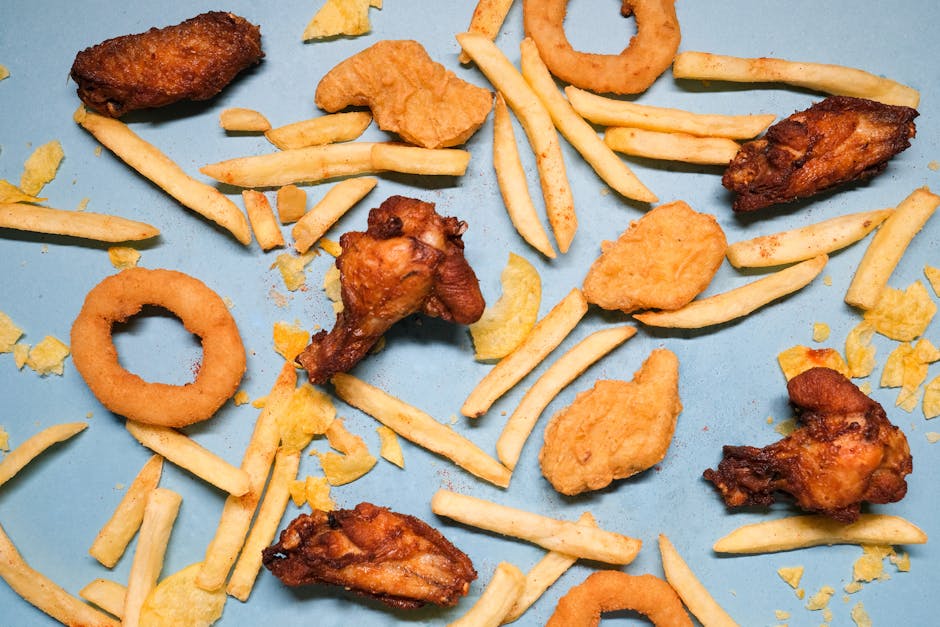
Think about that juicy burger, a plate of crispy fries, or a rich, creamy pasta dish. Delicious, right? But these foods are loaded with fats that are notoriously difficult for your digestive system to break down, especially when it’s already struggling. They can slow down digestion, leading to bloating, nausea, and a feeling of heaviness that just won’t quit. My friend once tried to “comfort eat” a greasy pizza when she had a stomach bug, and let’s just say it did anything but comfort her. Stick to lean, easily digestible options.
3. Dairy Products (Especially for Lactose Intolerance)
Milk, cheese, ice cream – for many, these are comfort foods. However, if you’re even mildly lactose intolerant (which many people don’t realize until they’re feeling unwell), dairy can be a major problem. Lactose, the sugar in dairy, can be difficult to digest without the enzyme lactase. When your stomach is upset, your body might produce even less lactase, leading to gas, bloating, cramps, and diarrhea. Even if you don’t typically have issues, dairy can be harder to process when your gut is compromised.
4. Acidic Foods (Citrus, Tomatoes)
While healthy in moderation, highly acidic foods like oranges, grapefruits, lemons, and tomatoes (and tomato-based sauces) can exacerbate heartburn and acid reflux, especially if your stomach is already irritated. The extra acid can sting an inflamed stomach lining, making you feel even worse. It’s like pouring lemon juice on a cut – ouch! Save the fruit salads and pasta sauces for when your stomach is back to 100%.
5. Caffeinated Drinks (Coffee, Energy Drinks)
Many of us rely on that morning cup of coffee to kickstart our day. But caffeine is a stimulant that can increase stomach acid production and act as a diuretic, potentially leading to dehydration. For an upset stomach, this can mean more irritation, heartburn, and even loose stools. Energy drinks are even worse, often packed with sugar and artificial ingredients that can further upset your digestive balance. It’s a tough one to give up, but your stomach will thank you.
6. Carbonated Beverages
Fizzy drinks might seem refreshing, but the bubbles are actually gas that can cause bloating, distension, and discomfort when your stomach is already sensitive. Imagine adding more air to an already overinflated balloon – not a good idea! Even sparkling water can be problematic for some. Stick to flat liquids that won’t add extra pressure to your digestive system.
7. Alcohol
This one might seem obvious, but it bears repeating. Alcohol is an irritant to the stomach lining, can cause dehydration, and can interfere with digestion and nutrient absorption. It’s essentially a toxin that your liver has to work hard to process, putting extra strain on your entire system. When your stomach is upset, alcohol is the last thing you need. It’s a guaranteed way to prolong your misery.
8. Processed and Sugary Foods
Think cookies, cakes, candy, sugary cereals, and highly processed snacks. These items often contain refined sugars, artificial sweeteners, and unhealthy fats that can feed bad gut bacteria, lead to inflammation, and cause gas and bloating. They’re also often low in fiber and nutrients, offering little to no benefit to a struggling digestive system. My nephew once ate a whole bag of candy after feeling a bit queasy, convinced it would make him feel better. Spoiler alert: it didn’t.
The Soothing Squad: What To Eat Instead for a Happy Tummy
Now that we know what to avoid, let’s talk about the good stuff – the gentle, nourishing foods that can help calm your stomach, provide essential nutrients, and aid in your recovery. When you’re dealing with an upset stomach, the goal is bland, easy-to-digest, and hydrating foods.
1. Ginger
- Why it helps: Ginger is a natural anti-inflammatory and has long been used to alleviate nausea and vomiting. It can help speed up gastric emptying, moving food out of your stomach more quickly.
- How to consume: Ginger tea (fresh ginger steeped in hot water), ginger ale (flat, not carbonated, with real ginger), or small pieces of candied ginger.
2. Bananas
- Why it helps: Part of the “BRAT” diet (Bananas, Rice, Applesauce, Toast), bananas are easily digestible, provide potassium (which can be lost with vomiting or diarrhea), and help firm up stools.
- How to consume: Ripe, plain bananas.
3. Rice (Plain White Rice)
- Why it helps: White rice is low in fiber, making it easy to digest, and can help absorb excess fluids in the digestive tract, firming up stools.
- How to consume: Plain, boiled white rice (avoid brown rice due to higher fiber content which can be harder to digest).
4. Applesauce
- Why it helps: Another BRAT diet staple, applesauce provides pectin, a type of soluble fiber that can help soothe an upset stomach and firm up stools. It’s also easy to digest.
- How to consume: Unsweetened applesauce.
5. Plain Toast
- Why it helps: Simple, plain white toast is easily digestible and can help absorb excess stomach acid. Avoid butter or spreads.
- How to consume: Dry, plain white toast or crackers.
6. Boiled or Steamed Lean Protein (Chicken, Fish)
- Why it helps: When you’re ready for something more substantial, lean proteins like plain boiled chicken breast or steamed white fish provide essential nutrients without the added fat that can upset your stomach.
- How to consume: Small portions, unseasoned, no skin or fat.
7. Herbal Teas (Peppermint, Chamomile)
- Why it helps: Peppermint tea can help relax stomach muscles and ease cramping, while chamomile tea is known for its calming and anti-inflammatory properties, often helping with nausea and indigestion.
- How to consume: Warm, unsweetened herbal teas.
8. Clear Broths
- Why it helps: Chicken or vegetable broth provides essential electrolytes and hydration without irritating the stomach. They are also easy to digest and comforting.
- How to consume: Warm, low-sodium clear broths.
Key Takeaways for a Settled Stomach
- Listen to Your Body: Your stomach will tell you what it can handle. Start small and bland, gradually introducing other foods.
- Stay Hydrated: Even if you can’t eat, sip on water, clear broths, or rehydration solutions to prevent dehydration.
- Avoid Irritants: Spicy, fatty, acidic, and sugary foods are your enemies when your stomach is upset.
- Embrace Bland: The BRAT diet (Bananas, Rice, Applesauce, Toast) and other gentle foods are your best friends.
- Rest: Digestion takes energy. Give your body time to rest and heal.
FAQ: Your Upset Stomach Questions Answered
Q: How long should I stick to a bland diet when my stomach is upset?
A: Generally, you should stick to bland foods for 24-48 hours after your symptoms have improved. Gradually reintroduce your normal diet, one food at a time, to see how your body reacts. If symptoms return, go back to the bland diet for a bit longer.
Q: Can stress cause an upset stomach?
A: Absolutely! The gut and brain are intimately connected (the “gut-brain axis”). Stress and anxiety can significantly impact digestion, leading to symptoms like nausea, indigestion, diarrhea, or constipation. Managing stress through relaxation techniques can often help.
Q: When should I see a doctor for an upset stomach?
A: While most upset stomachs resolve on their own, you should seek medical attention if you experience severe pain, high fever, persistent vomiting (especially if it contains blood or looks like coffee grounds), bloody or black tarry stools, severe dehydration, or if symptoms last longer than a few days without improvement. Always err on the side of caution.
Dealing with an upset stomach is never fun, but by making smart food choices, you can significantly reduce your discomfort and help your body recover faster. Remember, it’s not about starving yourself, but about nourishing your body with foods that support healing rather than hinder it. So, next time your tummy starts to rumble with discontent, you’ll know exactly which of the 8 Foods To Avoid With an Upset Stomach and What To Eat Instead to choose to help you feel better, sooner. Here’s to a happier, healthier gut!
Written with love and assistance and refined for quality.
{“@context”:”https://schema.org”,”@type”:”Article”,”headline”:”8 Foods To Avoid With an Upset Stomach and What To Eat Instead: Your Guide to Feeling Better, Faster”,”description”:”In this article, weu2019ll explore: 8 Foods To Avoid With an Upset Stomachand What To Eat Instead and why it…”,”author”:{“@type”:”Person”,”name”:”Dr. Cuterus”},”datePublished”:”2026-05-16T09:40:30+00:00″,”dateModified”:”2026-05-16T09:40:30+00:00″,”mainEntityOfPage”:”https://healthyworldz.com/8-foods-to-avoid-with-an-upset-stomach-and-what-to-eat-instead-your-guide-to-feeling-better-faster/”,”image”:[“https://healthyworldz.com/wp-content/uploads/2026/05/8-foods-to-avoid-with-an-upset-stomachand-what-to-eat-instead-60.jpg”]}
🔗 Related: Women with polycystic ovary syndrome exhibit…
🔗 Related: Hormonal mechanisms of womens risk in…
🔗 Related: 8 Foods To Avoid With an…