In this article, we’ll explore: 8 Foods To Avoid With an Upset Stomachand What To Eat Instead and why it matters today.
Related:
👉 Beyond the Surface: Unpacking the Hormonal Mechanisms of Women's Risk in the Face of Traumatic Stress
👉 Soothe Your Stomach: 8 Foods To Avoid With an Upset Stomach and What To Eat Instead
👉 Unpacking the Gender Divide: How Hormones Shape Women's Vulnerability to Traumatic Stress
Recommended product: 8 Foods To Avoid With an Upset Stomachand What To Eat Instead on Clickbank
Learn more: 8 Foods To Avoid With an Upset Stomachand What To Eat Instead on Wikipedia
We’ve all been there. That familiar rumble, the churning, the sudden, undeniable discomfort that signals an upset stomach. It’s that awful feeling that can turn a perfectly good day into a miserable one, leaving you curled up, groaning, and wondering what on earth you ate. Whether it’s a bout of indigestion, a touch of nausea, or a full-blown stomach bug, an upset stomach can throw a serious wrench in your plans and your comfort.
And when your tummy is doing its own involuntary dance, the last thing you want to do is make it worse. Yet, in our quest for comfort, we sometimes reach for the very things that exacerbate the problem. It’s a common misconception that all food is good food, even when you’re feeling under the weather. But the truth is, what you choose to put into your body when your digestive system is already protesting can either be your best friend or your worst enemy.
Think about it: your stomach is essentially a sensitive organ, and when it’s irritated, it needs gentle care, not a culinary challenge. Just like you wouldn’t run a marathon on a sprained ankle, you shouldn’t ask your upset stomach to process foods that are difficult, acidic, or inflammatory. The right food choices can be a powerful tool for soothing your gut, reducing symptoms, and helping you get back on your feet faster. The wrong ones? Well, they can prolong the agony, intensify the pain, and leave you regretting every bite.
So, what’s a person to do when their stomach is staging a rebellion? That’s exactly what we’re here to talk about. In this comprehensive guide, we’re going to dive deep into the world of tummy-friendly eating. We’ll explore the 8 foods to avoid with an upset stomach and what to eat instead, arming you with the knowledge to make smart, soothing choices when your digestive system needs a little TLC. Get ready to swap the culprits for comfort, and start feeling better, sooner!
The Culprits: 8 Foods to Steer Clear Of When Your Tummy is Tumbling
When your stomach is already feeling delicate, certain foods can act like gasoline on a fire. Here are the top offenders you should definitely avoid:
1. Spicy Foods: The Fiery Foe
Oh, the allure of a fiery curry or a zesty chili! While delicious on a normal day, spicy foods are a definite no-go when your stomach is upset. Capsaicin, the compound that gives chili peppers their heat, can irritate the lining of your stomach and intestines, leading to increased pain, heartburn, and even diarrhea. Imagine trying to calm an irritated surface by rubbing chili powder on it – that’s essentially what you’re doing to your stomach.
- What to Eat Instead: Opt for bland, mild foods. Think plain white rice, boiled potatoes, or soft, unseasoned chicken.
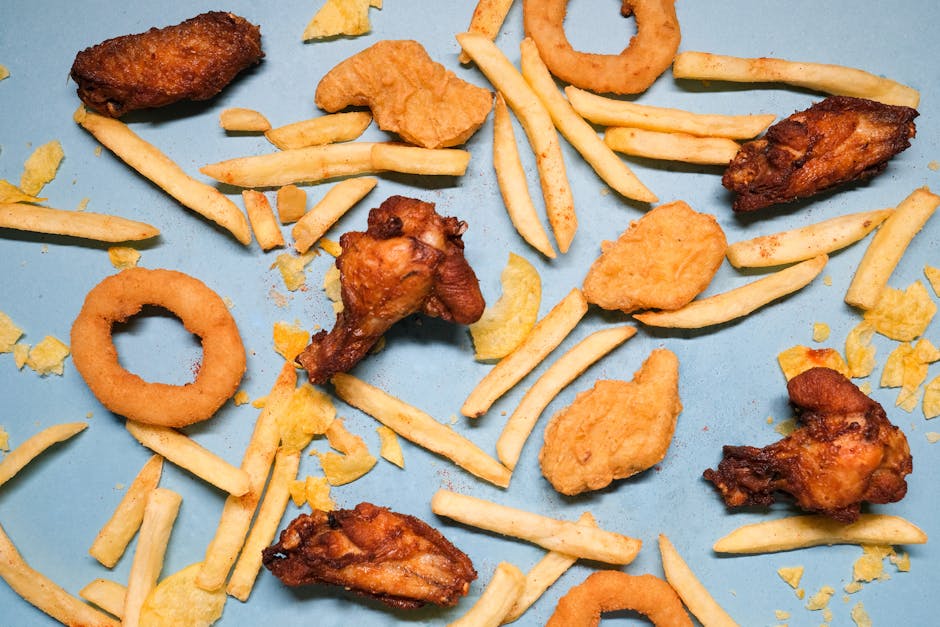
2. Fried & Greasy Foods: A Heavy Burden
Who doesn’t love a plate of crispy fries or a juicy burger? But when your stomach is upset, these heavy hitters are a recipe for disaster. Fried and greasy foods are loaded with fats that are difficult to digest. They sit in your stomach longer, triggering indigestion, bloating, and nausea. Your digestive system has to work overtime to break them down, which is the last thing it needs when it’s already struggling.
- What to Eat Instead: Choose lean proteins that are baked, grilled, or steamed. Think baked chicken breast, grilled fish, or steamed vegetables.
3. Acidic Foods (Citrus, Tomatoes): The Sour Truth
Lemons, oranges, grapefruit, tomatoes, and even tomato-based sauces like marinara are incredibly acidic. While these foods are packed with vitamins, their high acidity can exacerbate heartburn, acid reflux, and general stomach irritation when your gut is already sensitive. It’s like pouring vinegar on an open wound – not a good idea!
- What to Eat Instead: Reach for low-acid fruits and vegetables like bananas, melons (cantaloupe, honeydew), or cooked carrots.
4. Dairy Products: The Lactose Lament
For many people, dairy products, especially those high in lactose like milk, cheese, and ice cream, can be problematic even on a good day. When your stomach is upset, your body might temporarily lose the enzyme needed to digest lactose, leading to bloating, gas, cramps, and diarrhea. Even if you’re not typically lactose intolerant, it’s wise to give dairy a miss when your gut is feeling fragile.
- What to Eat Instead: Consider lactose-free dairy alternatives or plant-based milks (almond, oat). Plain, unsweetened yogurt with live cultures might be tolerated in small amounts by some, as the cultures break down lactose, but proceed with caution.
5. Caffeinated & Carbonated Drinks: The Fizz and the Buzz
That morning coffee might be your lifeline, but caffeine is a stimulant that can irritate the digestive tract and act as a diuretic, potentially leading to dehydration. Carbonated drinks, on the other hand, introduce gas into your digestive system, causing bloating and discomfort. Remember that time you had a fizzy drink when you felt nauseous? It probably didn’t end well.
- What to Eat Instead: Water is king! Herbal teas like ginger or peppermint tea are also excellent for soothing an upset stomach. Clear broths can also provide hydration and some electrolytes.
6. Alcohol: The Gut Wrecker
Alcohol is a direct irritant to the stomach lining and can increase acid production, leading to inflammation and discomfort. It also dehydrates you and can disrupt the delicate balance of gut bacteria. When your stomach is already upset, even a small amount of alcohol can significantly worsen symptoms and delay recovery. Just say no to the nightcap.
- What to Eat Instead: Stick to water, clear broths, or decaffeinated herbal teas. Rehydration is key.
7. Cruciferous Vegetables: The Gassy Gang
Broccoli, cabbage, cauliflower, and Brussels sprouts are nutritional powerhouses, but they contain complex sugars that are difficult for the body to break down, especially when your digestive system is compromised. This can lead to excessive gas, bloating, and discomfort. While they’re great for long-term health, they’re not your friends during a stomach upset.
- What to Eat Instead: Opt for easily digestible, cooked vegetables like peeled potatoes, carrots, green beans, or zucchini.
8. Highly Processed & Sugary Foods: The Empty Promise
Processed snacks, sugary cereals, pastries, and candy might seem comforting, but they offer little nutritional value and can often contain artificial ingredients, unhealthy fats, and refined sugars. These can contribute to inflammation, feed bad gut bacteria, and cause blood sugar spikes and crashes, all of which stress your digestive system. That sugary donut might give you a momentary boost, but it’s quickly followed by a crash and potentially more stomach distress.
- What to Eat Instead: Choose simple, plain foods like plain crackers, toast, oatmeal, or a small portion of white rice.
Your Tummy’s Best Friends: What to Embrace Instead
Now that we’ve covered what to avoid, let’s talk about the foods that can actually help soothe your stomach and promote healing. These are often referred to as “BRAT” diet foods and their comforting cousins:
- Bananas: Easy to digest, provide potassium (often lost during vomiting/diarrhea), and can help firm up stool.
- Rice (White): Bland, low in fiber, and easy to digest.
- Applesauce: Cooked apples are easier to digest than raw ones, and applesauce provides pectin, which can help with diarrhea.
- Toast (White): Plain, dry toast is gentle on the stomach.
- Ginger: Known for its anti-nausea properties. Sip on ginger tea or chew on a small piece of fresh ginger.
- Peppermint: Can help relax stomach muscles and ease cramping. Peppermint tea is a great option.
- Clear Broths: Chicken or vegetable broth provides hydration, electrolytes, and some nutrients without irritating the stomach.
- Herbal Teas: Chamomile, ginger, and peppermint teas are excellent choices for their soothing properties.
- Plain Crackers: Saltine crackers or other plain, unsalted crackers can help absorb stomach acid and ease nausea.
- Boiled Potatoes: Bland, easily digestible, and provide energy.
Remember, the key is to start small and bland, gradually reintroducing foods as your stomach begins to feel better. Listen to your body – it will tell you what it can handle.
Key Takeaways for a Happy Tummy
- When your stomach is upset, prioritize bland, easily digestible foods.
- Avoid spicy, fried, acidic, and highly processed foods, as well as alcohol and caffeine.
- Hydration is crucial; sip on water, herbal teas, or clear broths.
- Introduce new foods slowly and in small amounts.
- Listen to your body’s signals and don’t force yourself to eat if you’re not ready.
FAQ: Your Upset Stomach Questions Answered
Q1: How long should I stick to a bland diet after an upset stomach?
A: Generally, you should stick to a bland diet for at least 24-48 hours after your symptoms improve. Gradually reintroduce your normal diet over a few days, paying close attention to how your body reacts. If symptoms return, go back to the bland diet for a bit longer.
Q2: Is it okay to eat yogurt when I have an upset stomach?
A: It depends. Plain, unsweetened yogurt with live active cultures can sometimes be beneficial as the probiotics can help restore good gut bacteria. However, if you’re experiencing lactose intolerance (even temporary), it might worsen symptoms. Start with a very small amount and see how you feel. Lactose-free options are a safer bet initially.
Q3: Can I drink fruit juice when my stomach is upset?
A: Most fruit juices, especially citrus ones, are high in acid and sugar, which can irritate your stomach and potentially worsen diarrhea. If you must have juice, opt for diluted apple juice (without pulp) or pear juice, but water or herbal tea is generally a better choice for hydration.
Q4: What if I’m not hungry at all? Should I force myself to eat?
A: No, don’t force yourself. It’s more important to stay hydrated. Once your nausea subsides and you feel a slight appetite, start with very small portions of bland foods like crackers or toast. Listen to your body; it will signal when it’s ready for food.
Bringing Comfort Back to Your Core
Dealing with an upset stomach is never fun, but understanding how to nourish your body during these challenging times can make a world of difference. By knowing the 8 foods to avoid with an upset stomach and what to eat instead, you’re empowering yourself to choose comfort, promote healing, and minimize discomfort.
Remember, your digestive system is a delicate ecosystem, and when it’s out of whack, it needs gentle care and thoughtful choices. So, the next time your tummy starts to rumble with discontent, reach for the soothing, bland options, hydrate consistently, and give your gut the break it deserves. Here’s to a happier, healthier, and more comfortable you!
Written with love and assistance and refined for quality.
{“@context”:”https://schema.org”,”@type”:”Article”,”headline”:”Tummy Troubles? Here are 8 Foods To Avoid With an Upset Stomach and What To Eat Instead for Quick Relief”,”description”:”In this article, weu2019ll explore: 8 Foods To Avoid With an Upset Stomachand What To Eat Instead and why it…”,”author”:{“@type”:”Person”,”name”:”Dr. Cuterus”},”datePublished”:”2026-05-16T14:40:04+00:00″,”dateModified”:”2026-05-16T14:40:04+00:00″,”mainEntityOfPage”:”https://healthyworldz.com/tummy-troubles-here-are-8-foods-to-avoid-with-an-upset-stomach-and-what-to-eat-instead-for-quick-relief-3/”,”image”:[“https://healthyworldz.com/wp-content/uploads/2026/05/8-foods-to-avoid-with-an-upset-stomachand-what-to-eat-instead-65.jpg”]}
🔗 Related: Hormonal mechanisms of womens risk in…
🔗 Related: Hormonal mechanisms of womens risk in…
🔗 Related: Hormonal mechanisms of womens risk in…