In this article, we’ll explore: 8 Foods To Avoid With an Upset Stomachand What To Eat Instead and why it matters today.
Related:
👉 The Silent Symphony: How Hormonal Mechanisms Shape Women's Risk in the Face of Traumatic Stress
👉 Unveiling the Hidden Symphony: How Hormones Shape Women's Vulnerability to Traumatic Stress
👉 The Unseen Barrier: How PCOS Can Impair Your Uterus's Readiness for Pregnancy – A Deep Dive into ER and Histone Lactylation
Recommended product: 8 Foods To Avoid With an Upset Stomachand What To Eat Instead on Clickbank
Learn more: 8 Foods To Avoid With an Upset Stomachand What To Eat Instead on Wikipedia
Ever woken up with that familiar, unwelcome rumble in your stomach? Or perhaps you’re mid-day, and suddenly, your gut decides to stage a protest. We’ve all been there – that queasy, gurgly, sometimes painful feeling that makes you want to curl up in a ball and wish the world away. An upset stomach isn’t just uncomfortable; it can throw your entire day off kilter, making it hard to focus, enjoy meals, or even just relax.
When your tummy is feeling tender, the last thing you want to do is make it worse. But figuring out what to eat (and more importantly, what *not* to eat) can feel like a confusing minefield. Should you starve it? Force down some crackers? It’s a common dilemma, and one that many of us face more often than we’d like.
The good news is, you’re not alone, and there’s plenty you can do to help soothe your digestive system back to health. Often, the fastest route to relief starts right in your kitchen. By being mindful of what you put into your body, you can significantly reduce discomfort and speed up your recovery.
In this guide, we’re going to dive deep into exactly that. We’ll explore the **8 foods to avoid with an upset stomach and what to eat instead** to help you navigate those tricky times. Get ready to learn how to make smart food choices that will have your stomach thanking you!
The Culprits: 8 Foods That Make an Upset Stomach Worse
When your digestive system is already feeling sensitive, certain foods can act like gasoline on a fire. They can irritate the stomach lining, cause excessive gas, trigger acid reflux, or simply be too difficult for your compromised system to process. Here are the top offenders you should steer clear of:
1. Spicy Foods
Oh, the thrill of a fiery chili or a zesty curry! But when your stomach is already doing acrobatics, that capsaicin (the compound that gives chilies their heat) can be a real troublemaker. It irritates the stomach lining, potentially worsening heartburn, acid reflux, and even diarrhea. Think of it like pouring hot sauce on an open wound – not a pleasant thought, right?
Real-world example: Remember that time you had a stomach bug and thought a little kick from a jalapeño might “clear things out”? Instead, it probably just added more fuel to the fire, making you regret every single bite.
2. Fatty and Greasy Foods
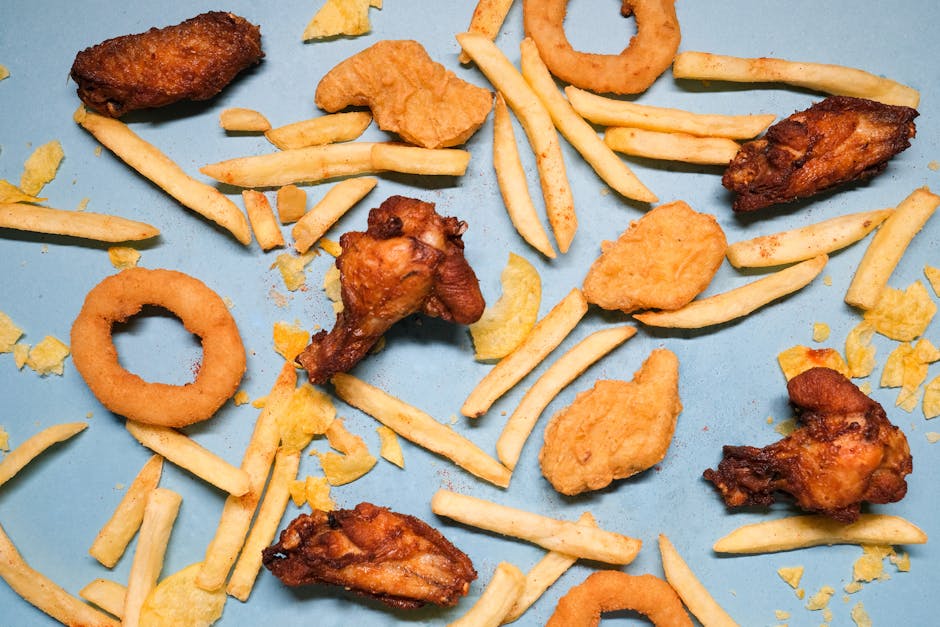
Burgers, fries, pizza, deep-fried anything – these might be comfort foods on a good day, but when your stomach is upset, they’re anything but comforting. High-fat foods are notoriously difficult to digest. They take longer to break down in the stomach, which can lead to bloating, nausea, and a general feeling of heaviness. The fat can also trigger the release of hormones that can exacerbate stomach cramps.
Real-world example: Imagine your digestive system is a tired, overworked engine. Greasy foods are like trying to run that engine on thick, sludgy oil. It’s going to sputter and complain even more.
3. Dairy Products (Especially for Lactose Intolerance)
Milk, cheese, ice cream – for many, these are staples. But if you’re lactose intolerant (even mildly, and many adults are without realizing it), or your gut flora is out of whack, dairy can cause significant distress. Lactose is a sugar that requires a specific enzyme (lactase) to break down. When your stomach is upset, your body might not produce enough lactase, leading to gas, bloating, cramps, and diarrhea.
Real-world example: You’re feeling queasy, so you reach for a comforting glass of milk. An hour later, you’re wondering why you feel even worse. It’s often the lactose, which your stressed system can’t handle.
4. Acidic Foods and Drinks
Citrus fruits (oranges, lemons, grapefruit), tomatoes, and tomato-based products (sauces, ketchup), and even certain fruit juices are highly acidic. While generally healthy, this acidity can irritate an already sensitive stomach lining, leading to heartburn, indigestion, and a general burning sensation. Think of it as adding more acid to an already acidic environment.
Real-world example: Ever tried drinking orange juice with a bad case of heartburn? It’s like a direct line to more discomfort. Your stomach is already inflamed, and the acid just amplifies it.
5. Caffeinated Beverages
Your morning coffee might be a ritual, but when your stomach is protesting, it’s best to skip it. Caffeine is a stimulant that can increase stomach acid production and act as a laxative, potentially worsening diarrhea or stomach cramps. It can also dehydrate you, which is counterproductive when your body is trying to heal.
Real-world example: You’re already feeling jittery and nauseous. Adding a strong cup of coffee can amplify those feelings, making you feel more anxious and your stomach more unsettled.
6. Alcohol
This one might seem obvious, but it’s worth reiterating. Alcohol is a known irritant to the stomach lining. It can increase stomach acid, cause inflammation, and lead to dehydration. Even a small amount can exacerbate symptoms like nausea, vomiting, and diarrhea, turning a bad day into a truly miserable one.
Real-world example: If you’re feeling under the weather, the last thing you need is a hangover on top of your upset stomach. Alcohol will only prolong your recovery.
7. Sugary and Processed Foods
Candies, sodas, pastries, and highly processed snacks often contain refined sugars and artificial sweeteners. These can be difficult for your digestive system to handle. Sugar can feed “bad” bacteria in your gut, leading to gas and bloating, while artificial sweeteners can have a laxative effect in some individuals. Processed foods also often lack fiber and nutrients, offering little to no benefit to your healing gut.
Real-world example: That fizzy soda might seem like it’ll settle your stomach, but the sugar and carbonation can often lead to more gas and discomfort, creating a vicious cycle.
8. High-Fiber Foods (Especially Raw Vegetables and Legumes)
While fiber is fantastic for long-term digestive health, when your stomach is acutely upset, certain high-fiber foods can be too much. Raw vegetables, particularly cruciferous ones like broccoli, cauliflower, and cabbage, contain complex sugars that are hard to digest and can lead to excessive gas and bloating. Legumes like beans and lentils, while nutritious, can also be gas-producing.
Real-world example: You’re trying to be healthy with a big salad, but your stomach feels like a balloon afterwards. That’s because raw, fibrous greens are tough for a compromised system to break down.
Your Allies: Soothing Foods for a Happy Tummy
Now that we know what to avoid, let’s talk about the good stuff – the foods that can actually help calm your irritated digestive system. The key here is “bland,” “easy to digest,” and “nutrient-rich” to support healing.
Bananas
Part of the classic BRAT diet, bananas are easy to digest, provide natural sugars for energy, and are rich in potassium, which can be depleted during vomiting or diarrhea. They also have a natural antacid effect.
Rice (Plain White)
Another BRAT diet staple, plain white rice is low in fiber and easy on the stomach. It helps bind stools and provides simple carbohydrates for energy without irritating your gut. Brown rice, while healthier normally, can be too fibrous when your stomach is upset.
Applesauce
Cooked apples are much easier to digest than raw ones. Applesauce provides pectin, a soluble fiber that can help firm up stools and soothe the digestive tract. Make sure it’s unsweetened to avoid extra sugar.
Toast (Plain White)
Simple, bland, and easy to digest. White toast provides carbohydrates for energy without the added fiber or ingredients that can cause irritation. Avoid butter or spreads initially.
Ginger
This ancient root is a powerful natural remedy for nausea. You can steep fresh ginger slices in hot water for a soothing tea, or find ginger chews (just watch the sugar content).
Clear Broths and Soups
Chicken broth or vegetable broth provides essential fluids, electrolytes, and some nutrients without stressing your digestive system. Avoid creamy or chunky soups initially.
Boiled Potatoes (Plain)
Potatoes are a good source of energy and are easily digestible when boiled and served plain. Skip the butter, sour cream, or cheese.
Oatmeal (Plain)
Cooked oatmeal provides soluble fiber, which can be very soothing for the digestive tract. Ensure it’s plain, without added sugars or flavors.
Herbal Teas
Peppermint tea can help relax stomach muscles and ease cramps. Chamomile tea is known for its calming properties and can reduce inflammation. Sip these slowly.
Lean Proteins (Boiled Chicken or Fish)
Once you feel a bit better, small portions of plain, boiled, or baked chicken breast or white fish can provide much-needed protein without being too heavy. Avoid frying or heavy seasoning.
Key Takeaways for a Happy Tummy
Navigating an upset stomach can be tricky, but making informed food choices can make a world of difference. Remember these key points:
- Listen to your body: Everyone is different. Pay attention to how certain foods make you feel.
- Go bland: When in doubt, opt for simple, unseasoned, and easy-to-digest foods.
- Hydrate: Sips of water, clear broth, or herbal teas are crucial to prevent dehydration.
- Small portions: Don’t overload your digestive system. Eat small, frequent meals.
- Gradual reintroduction: As you feel better, slowly reintroduce other foods, starting with low-fiber options.
FAQ: Your Upset Stomach Questions Answered
Q1: How long should I stick to a bland diet?
A: Generally, you should stick to a bland diet until your symptoms subside, which could be anywhere from 24 hours to a few days. Gradually reintroduce other foods as you feel better, observing how your body reacts.
Q2: Can I drink coffee if my stomach is upset, just a little?
A: It’s best to avoid coffee and other caffeinated beverages when your stomach is upset. Caffeine can increase stomach acid and act as a diuretic, potentially worsening your symptoms and dehydration. Opt for herbal teas instead.
Q3: What if I have specific dietary restrictions, like being vegetarian or vegan?
A: Many of the soothing foods mentioned are plant-based (bananas, rice, applesauce, toast, potatoes, oatmeal, broths). For protein, consider plain tofu (not fried), lentil soup (if tolerated), or even a small amount of plain, cooked quinoa once you’re feeling a bit better. Always prioritize easily digestible options.
Q4: When should I see a doctor for an upset stomach?
A: While most upset stomachs resolve on their own, you should seek medical attention if you experience severe pain, high fever, bloody or black stools, persistent vomiting or diarrhea, signs of dehydration (reduced urination, extreme thirst, dizziness), or if symptoms last longer than a few days.
Q5: Are probiotics helpful for an upset stomach?
A: Probiotics can be beneficial for restoring gut balance, especially after an illness or antibiotic use. However, introducing them during an acute upset stomach might sometimes worsen symptoms for a short period. It’s often better to start probiotics once you’re past the worst of the acute symptoms and are on the road to recovery, or consult your doctor.
Bringing It All Together
Dealing with an upset stomach is never fun, but you have more control than you might think. By understanding the 8 foods to avoid with an upset stomach and what to eat instead, you’re empowering yourself to make choices that promote healing and comfort. Remember, your body is incredibly resilient, and with a little care and the right fuel, you’ll be back to feeling your best in no time. Listen to your gut – it usually knows best!
Written with love and assistance and refined for quality.
{“@context”:”https://schema.org”,”@type”:”Article”,”headline”:”Tummy Troubles? Discover the 8 Foods To Avoid With an Upset Stomach and What To Eat Instead for Quick Relief!”,”description”:”In this article, weu2019ll explore: 8 Foods To Avoid With an Upset Stomachand What To Eat Instead and why it…”,”author”:{“@type”:”Person”,”name”:”Dr. Cuterus”},”datePublished”:”2026-05-16T23:37:57+00:00″,”dateModified”:”2026-05-16T23:37:57+00:00″,”mainEntityOfPage”:”https://healthyworldz.com/tummy-troubles-discover-the-8-foods-to-avoid-with-an-upset-stomach-and-what-to-eat-instead-for-quick-relief/”,”image”:[“https://healthyworldz.com/wp-content/uploads/2026/05/8-foods-to-avoid-with-an-upset-stomachand-what-to-eat-instead-67.jpg”]}
🔗 Related: 8 Foods To Avoid With an…
🔗 Related: Women with polycystic ovary syndrome exhibit…
🔗 Related: Hormonal mechanisms of womens risk in…