In this article, we’ll explore: 8 Foods To Avoid With an Upset Stomachand What To Eat Instead and why it matters today.
Related:
👉 Unpacking the Invisible Blueprint: How Hormones Shape Women's Response to Traumatic Stress
👉 The Unseen Architects of Resilience: How Hormones Shape Women's Risk in the Face of Traumatic Stress
👉 The Hidden Story of PCOS and Fertility: Understanding Impaired Endometrial Receptivity, Excessive ER, and Histone Lactylation
Recommended product: 8 Foods To Avoid With an Upset Stomachand What To Eat Instead on Clickbank
Learn more: 8 Foods To Avoid With an Upset Stomachand What To Eat Instead on Google Search
We’ve all been there. That unwelcome gurgle, the sudden cramp, the general feeling of “ugh” in your belly. An upset stomach can hit at the worst times, turning a perfectly good day into a quest for comfort. Whether it’s a mild ache, nausea, or something more, your diet plays a huge role in how quickly you recover – or how much worse things get.
It’s tempting to reach for comfort food when your stomach is feeling off, but sometimes, those very foods can be the culprits prolonging your discomfort. The good news is that by making smart food choices, you can often soothe your digestive system and get back to feeling like yourself much faster.
This isn’t about bland, boring food for weeks on end. It’s about understanding what irritates your gut when it’s vulnerable and what gentle, healing foods can help. So, if you’re battling a grumpy tummy, grab a cup of ginger tea (we’ll get to that later!) and let’s dive into the **8 foods to avoid with an upset stomach and what to eat instead** to help you find that much-needed relief.
The “No-Go” List: 8 Foods to Steer Clear Of When Your Tummy Is Grumpy
When your digestive system is already in distress, the last thing it needs is a challenge. These foods are notorious for making an upset stomach even worse. Think of them as adding fuel to a fire!
1. Spicy Foods
Oh, the delicious burn of a fiery curry or a chili-laden taco! While wonderful normally, when your stomach is upset, spicy foods are like pouring gasoline on a flame. Capsaicin, the compound that gives chili peppers their kick, can irritate the lining of your stomach and intestines, leading to increased burning, heartburn, and even diarrhea. Imagine trying to calm a sensitive wound by rubbing chili powder on it – not a good idea!
2. Fatty and Fried Foods
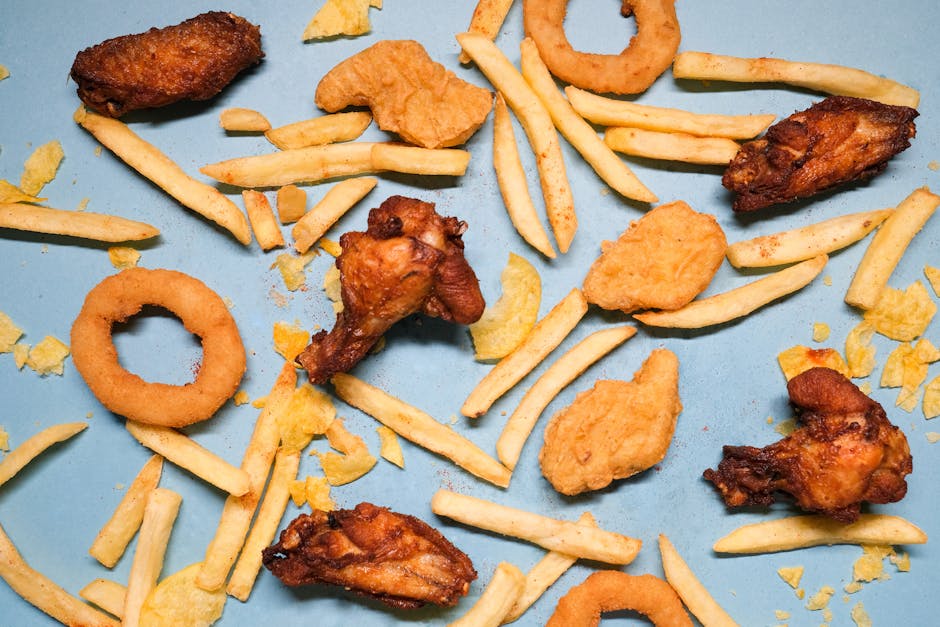
Picture a greasy burger, a pile of crispy fries, or a rich, creamy sauce. Sounds tempting, right? But these high-fat foods are incredibly difficult for your digestive system to break down, especially when it’s already struggling. They can slow down stomach emptying, leading to feelings of fullness, nausea, and indigestion. If you’ve ever felt that heavy, sluggish feeling after a greasy meal, you know what we mean. Your body has to work overtime to process fat, and that’s energy it can’t spare when it’s trying to heal.
3. Dairy Products (Especially for Lactose Intolerance)
Milk, cheese, ice cream – for many, dairy is a staple. However, if you’re lactose intolerant (which a surprising number of adults are, even if they don’t fully realize it), dairy can be a major trigger for an upset stomach. Lactose, the sugar in milk, requires a specific enzyme (lactase) to be digested. When your stomach is already sensitive, even a small amount of dairy can cause bloating, gas, cramps, and diarrhea. Even if you’re not typically lactose intolerant, dairy can be harder to digest when your gut is inflamed.
4. Acidic Foods
Tomatoes, citrus fruits (oranges, grapefruits, lemons), and even some vinegars are highly acidic. While packed with vitamins, their acidity can irritate the sensitive lining of your esophagus and stomach, especially if you’re prone to heartburn or acid reflux. Think of that burning sensation when you drink orange juice on an empty stomach – now amplify that when your stomach is already feeling tender. It’s best to give these a wide berth until your digestive system is back to normal.
5. Caffeine
That morning coffee might be your lifeline, but when your stomach is in distress, it can be more of a foe than a friend. Caffeine is a stimulant that can increase stomach acid production and act as a laxative, potentially worsening diarrhea or stomach cramps. It can also dehydrate you, which is the last thing you need when trying to recover from an upset stomach. Consider it a temporary break-up for the sake of your gut health.
6. Alcohol
This one might seem obvious, but it bears repeating. Alcohol is an irritant to the stomach lining, and it can also interfere with digestion and nutrient absorption. It’s dehydrating and can worsen nausea, vomiting, and diarrhea. When your body is trying to heal, adding alcohol to the mix is like asking it to run a marathon with a sprained ankle. Just say no, at least until your stomach is completely settled.
7. Highly Processed and Sugary Foods & Drinks
Think sugary cereals, candy bars, sodas, and baked goods. These items are often high in refined sugars and artificial ingredients, which can feed “bad” bacteria in your gut and contribute to inflammation. The sudden rush of sugar can also trigger digestive upset and even lead to a “sugar crash” that leaves you feeling worse. Sodas, in particular, introduce gas into your system, exacerbating bloating and discomfort.
8. Raw or Gassy Vegetables
While vegetables are usually a cornerstone of a healthy diet, some raw or particularly gassy options can be tough on a sensitive stomach. Think broccoli, cauliflower, cabbage, and beans. These cruciferous vegetables and legumes contain complex sugars that produce a lot of gas during digestion, leading to bloating and discomfort. When your stomach is upset, it’s already working harder, and these foods can add an unnecessary burden.
Your Tummy’s Best Friends: What To Eat Instead for Soothing Relief
Now that we know what to avoid, let’s talk about the good stuff! These foods are gentle, easy to digest, and can help calm your system and even provide some much-needed nutrients without causing further irritation.
1. The BRAT Diet Staples
This classic diet is a lifesaver for a reason. BRAT stands for:
- **Bananas:** Easy to digest, provide potassium (which you often lose with diarrhea or vomiting), and can help firm up stool.
- **Rice:** Plain white rice is bland, easy to digest, and provides simple carbohydrates for energy.
- **Applesauce:** A good source of pectin, a soluble fiber that can help firm stools. It’s also gentle and easy on the stomach.
- **Toast:** Plain white toast (without butter or jam) is easy to digest and can help absorb excess stomach acid.
These foods are like a warm, gentle hug for your insides.
2. Ginger
This root is a superstar for upset stomachs. Ginger has natural anti-inflammatory properties and can help reduce nausea and vomiting. You can enjoy it as a tea (fresh ginger slices steeped in hot water), in ginger ale (look for natural, low-sugar versions), or even as crystallized ginger in small amounts. My grandmother always swore by ginger tea for any tummy woe, and she was rarely wrong!
3. Clear Broths
Chicken or vegetable broth (low-sodium is best) is excellent for rehydrating and replenishing electrolytes without burdening your digestive system. It’s warm, soothing, and provides some nutrients. Think of it as a gentle reset button for your gut.
4. Chamomile Tea
Beyond just being a relaxing brew, chamomile tea has anti-inflammatory and antispasmodic properties that can help relax the muscles in your digestive tract and reduce cramping. It’s a wonderfully calming choice when your stomach feels turbulent.
5. Plain Crackers or Pretzels
Saltine crackers or plain, unsalted pretzels can help settle your stomach by absorbing excess acid and providing a little bit of energy. They’re bland and generally well-tolerated.
6. Boiled or Steamed Lean Proteins
Once you can tolerate more than just bland carbs, lean proteins like boiled chicken breast or plain, baked fish (like cod or sole) can provide essential nutrients without too much fat. Just remember to keep them very simply prepared – no heavy sauces or spices.
7. Cooked, Non-Gassy Vegetables
Steamed carrots, peeled potatoes, or well-cooked zucchini are good choices. Cooking breaks down tough fibers, making them easier to digest than their raw counterparts. They offer vitamins and minerals without the gas-producing effects of cruciferous veggies.
8. Plenty of Water and Electrolyte Drinks
Staying hydrated is absolutely crucial, especially if you’ve experienced vomiting or diarrhea. Sip on water throughout the day, and consider electrolyte-rich drinks (like oral rehydration solutions or coconut water) to replenish lost minerals. Avoid sugary sports drinks, as they can sometimes make things worse.
Key Takeaways for a Happy Tummy
- **Listen to Your Body:** Everyone is different. Pay attention to how certain foods make you feel.
- **Go Bland, Then Gradually Expand:** Start with the most gentle foods and slowly reintroduce others as your stomach recovers.
- **Hydration is Key:** Sip fluids frequently to prevent dehydration.
- **Don’t Force It:** If you’re not hungry, don’t eat. Small, frequent meals are often better than large ones.
- **Rest is Important:** Give your body time to heal, both inside and out.
FAQ Section: Your Burning Questions Answered
Q: How long should I stick to bland foods?
A: Generally, for 24-48 hours after your symptoms have improved. Once you feel significantly better, you can gradually start reintroducing other foods, one at a time, to see how you tolerate them. If symptoms return, go back to the bland diet for a bit longer.
Q: When should I see a doctor for an upset stomach?
A: If your symptoms are severe, include a high fever, severe pain, blood in your stool or vomit, signs of severe dehydration, or last longer than a few days, it’s always best to consult a doctor. Trust your instincts.
Q: Can probiotics help an upset stomach?
A: Sometimes, yes! Probiotics can help restore the balance of “good” bacteria in your gut, which can be beneficial after an upset stomach, especially if it was caused by an infection or antibiotics. However, it’s best to introduce them gently once your acute symptoms have subsided, and consult with a doctor or dietitian.
Q: Is it okay to eat nothing when my stomach is upset?
A: For a very short period (a few hours), it might be okay if you’re experiencing severe nausea or vomiting. However, prolonged fasting can actually make you feel weaker and delay recovery. The goal is to introduce small amounts of very bland, easy-to-digest foods as soon as you can tolerate them, along with plenty of fluids.
Bringing It All Together
Having an upset stomach is no fun, but armed with the right knowledge about what to eat and what to avoid, you can significantly shorten your recovery time and minimize discomfort. Remember, your gut is a sensitive ecosystem, and when it’s feeling off, it needs a little extra love and care. By choosing gentle, nourishing foods and avoiding irritants, you’re giving your body the best chance to heal and get you back to feeling vibrant and well. Take care of your tummy, and it will take care of you!
Written with love and assistance and refined for quality.
{“@context”:”https://schema.org”,”@type”:”Article”,”headline”:”Tummy Troubles? Discover the 8 Foods To Avoid With an Upset Stomach and What To Eat Instead for Quick Relief!”,”description”:”In this article, weu2019ll explore: 8 Foods To Avoid With an Upset Stomachand What To Eat Instead and why it…”,”author”:{“@type”:”Person”,”name”:”Dr. Cuterus”},”datePublished”:”2026-05-17T07:43:22+00:00″,”dateModified”:”2026-05-17T07:43:22+00:00″,”mainEntityOfPage”:”https://healthyworldz.com/tummy-troubles-discover-the-8-foods-to-avoid-with-an-upset-stomach-and-what-to-eat-instead-for-quick-relief-2/”,”image”:[“https://healthyworldz.com/wp-content/uploads/2026/05/8-foods-to-avoid-with-an-upset-stomachand-what-to-eat-instead-69.jpg”]}
🔗 Related: Women with polycystic ovary syndrome exhibit…
🔗 Related: Hormonal mechanisms of womens risk in…
🔗 Related: 8 Foods To Avoid With an…