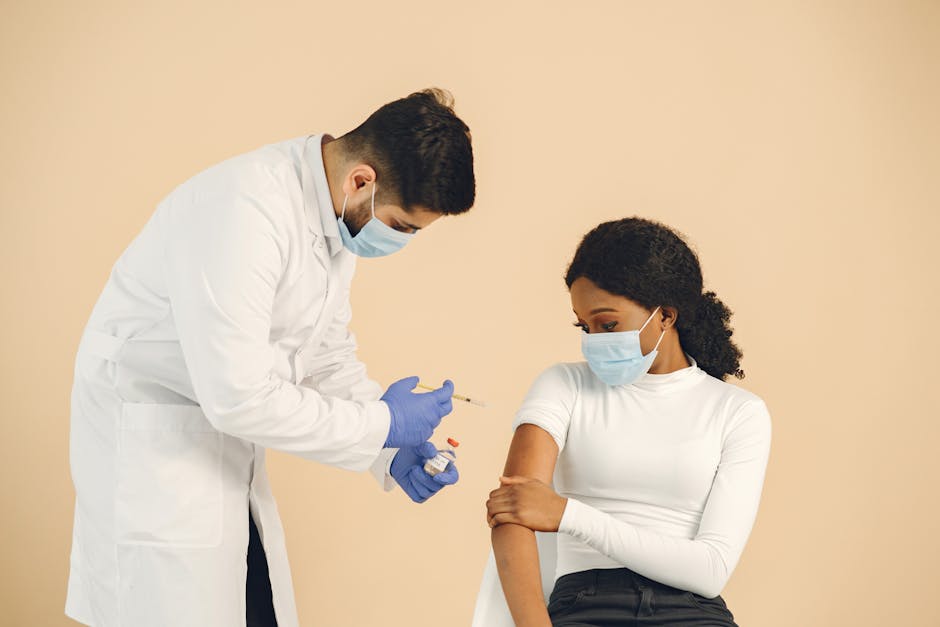
In this article, we’ll explore: BcozSheMatters: WHO Health Ministry roll out campaign on women and girls health and well-being and why it matters today.
Related:
👉 Why Every Woman’s Health Journey Needs a Spotlight: Understanding the BcozSheMatters: WHO Health Ministry roll out campaign on women and girls health and well-being
👉 8 Foods To Avoid With an Upset Stomach and What To Eat Instead
👉 Why Trauma Hits Differently: Understanding the Hormonal Mechanisms of Women’s Risk
Think about the women in your life for a moment. Your mother, your sister, your best friend, or the colleague who always has a spare pen. Now, ask yourself: when was the last time they put their own health first? If you’re struggling to remember, you’re not alone. For decades, women have been the primary caregivers of the world, often at the expense of their own physical and mental well-being. But the tide is finally turning.
The recent announcement of BcozSheMatters: WHO Health Ministry roll out campaign on women and girls health and well-being marks a pivotal moment in global healthcare. It’s not just another government initiative with a fancy acronym; it’s a loud, clear message that a woman’s health is the foundation of a healthy society. This campaign is designed to bridge the massive gaps in healthcare access, education, and support that girls and women face throughout their lives.
In this post, we’re going to dive deep into what this campaign actually means, why it’s happening now, and how it’s going to change lives on the ground.
The Heart of the Movement: What is BcozSheMatters?
At its core, the BcozSheMatters campaign is a collaborative effort between the World Health Organization (WHO) and the Ministry of Health to create a holistic ecosystem for female health. For too long, “women’s health” was a term used interchangeably with “maternal health.” While having a safe pregnancy is incredibly important, a woman’s life is so much more than her ability to bear children.
This campaign expands the horizon. It looks at the young girl in a rural village who needs proper nutrition to stay in school. It looks at the corporate professional battling burnout and anxiety. It looks at the grandmother who needs regular screenings for non-communicable diseases like diabetes or cervical cancer. By launching BcozSheMatters: WHO Health Ministry roll out campaign on women and girls health and well-being, the authorities are acknowledging that health is a lifelong journey, not just a series of doctor visits during pregnancy.
Breaking the “Invisible” Barrier
Have you ever heard of the “medical gender gap”? It’s a real thing. Historically, medical research has often focused on men, and women’s symptoms—especially regarding heart health or pain management—have frequently been dismissed or misunderstood. BcozSheMatters aims to dismantle this bias. By training healthcare workers to recognize gender-specific health nuances, the campaign ensures that women aren’t just seen, but truly heard.
The Four Pillars of the Campaign
To make a real impact, the campaign isn’t just throwing money at the problem. It’s focusing on four specific areas that have been neglected for far too long:
- Preventive Screenings: Early detection of breast and cervical cancer, as well as regular check-ups for anemia and bone density.
- Mental Health Support: Breaking the stigma around postpartum depression, anxiety, and the psychological impact of hormonal changes.
- Nutritional Security: Ensuring that girls have access to iron-rich diets and clean water to prevent lifelong developmental issues.
- Menstrual Hygiene and Education: Moving beyond just providing pads to ensuring every girl understands her body without shame or fear.
A Story from the Ground: Why This Matters to Sarah
Let’s look at a real-world example. Meet Sarah, a 34-year-old mother of two living in a bustling suburban neighborhood. Sarah works a full-time job and manages her household. For months, she felt a lingering fatigue and occasional dizziness. She brushed it off as “just being a busy mom.”
Under the new BcozSheMatters initiative, Sarah’s local community center hosted a “Wellness Saturday.” For the first time, she didn’t have to navigate a complex hospital system. She walked in, got a quick blood test, and discovered she had severe iron-deficiency anemia—a condition that affects nearly 1 in 3 women globally. Within weeks of starting a simple supplement and diet plan, Sarah’s energy returned. She wasn’t just “surviving” her days anymore; she was thriving. This is the power of accessible, proactive healthcare.
Why the Focus on Girls is a Smart Investment
The “Girls” part of the BcozSheMatters: WHO Health Ministry roll out campaign on women and girls health and well-being is perhaps the most strategic element. When we invest in a girl’s health, we are investing in the future economy. A healthy girl is more likely to stay in school, marry later, and have healthier children of her own when she chooses to. It’s a ripple effect that can lift entire communities out of poverty.
Addressing the Taboo of Menstruation
In many parts of the world, menstruation is still treated as a secret or something “unclean.” This leads to girls missing school for a week every month, eventually falling so far behind that they drop out. The BcozSheMatters campaign is rolling out educational modules in schools to normalize these conversations. It’s teaching boys and girls alike that health is biology, not a source of shame.
The Role of Digital Health in BcozSheMatters
We live in a digital age, and the WHO and Health Ministry are leveraging this. Part of the campaign includes a new mobile app and tele-consultation service. This is a lifesaver for women who might live in remote areas or those who feel uncomfortable visiting a clinic for sensitive issues like reproductive health or mental struggles.
Imagine being able to chat with a certified health professional from the privacy of your home. This removes the barrier of travel costs and the “what will the neighbors think” factor. It puts the power of health directly into the palm of a woman’s hand.
How Communities Can Support the Campaign
Government and international bodies can provide the framework, but real change happens in our living rooms and local neighborhoods. Here is how we can all contribute to the success of BcozSheMatters:
- Encourage the Women You Know: If you notice a friend or family member ignoring a health concern, gently encourage them to use the resources provided by the campaign.
- Spread Awareness: Use your social media platforms to share factual information about the campaign’s free screening camps.
- Educate the Next Generation: Talk to your daughters and sons about the importance of health equity.
- Volunteer: Many local NGOs are partnering with the Health Ministry to deliver these services. Your time could make a difference.
Key Takeaways
- Holistic Focus: The campaign moves beyond maternal health to include mental health, NCDs, and nutrition.
- Gender Sensitivity: It aims to fix the bias in the medical system that often ignores women’s unique symptoms.
- Early Intervention: By focusing on girls, the campaign ensures a healthier future generation and a stronger economy.
- Accessibility: Through digital tools and community camps, healthcare is being brought to the doorstep of those who need it most.
- The Power of “She”: The campaign recognizes that when a woman is healthy, her family and community flourish.
The Economic Reality: Healthy Women, Wealthy Nations
It’s a proven fact: gender equality in health leads to economic growth. When women are healthy enough to participate in the workforce, GDP rises. When they aren’t bogged down by preventable illnesses, healthcare costs for the state actually decrease in the long run. The BcozSheMatters: WHO Health Ministry roll out campaign on women and girls health and well-being isn’t just a moral imperative; it’s a brilliant economic strategy. By reducing the burden of disease on 50% of the population, we unlock a massive amount of human potential that has been sidelined for too long.
Conclusion: A New Chapter for Every Woman
The launch of BcozSheMatters is more than just a headline; it’s a promise. It’s a promise to the young girl dreaming of becoming a doctor, the mother working two jobs, and the elderly woman who deserves a dignified, healthy life. By focusing on the unique needs of women and girls, the WHO and the Health Ministry are finally acknowledging that “one size fits all” healthcare has never worked.
As this campaign rolls out, let’s remember that health is not a luxury—it is a fundamental right. And it’s time we started treating it that way. Because, at the end of the day, her health matters. Her voice matters. BcozSheMatters.
Frequently Asked Questions (FAQ)
1. What is the primary goal of the BcozSheMatters campaign?
The primary goal is to provide comprehensive, life-cycle-based healthcare for women and girls. This includes everything from nutrition and menstrual hygiene to mental health and the prevention of non-communicable diseases like cancer and heart disease.
2. Who is eligible to benefit from this campaign?
The campaign is designed to reach girls and women of all ages, from infancy through old age, with a particular focus on underserved communities and those who have historically lacked access to quality healthcare.
3. Does this campaign only focus on physical health?
No. One of the standout features of BcozSheMatters is its heavy emphasis on mental well-being. It aims to provide support for issues like depression, anxiety, and the psychological challenges associated with different life stages.
4. How can I find BcozSheMatters services in my area?
You can check the official Health Ministry website or the WHO regional portal. Additionally, look out for announcements from your local community health centers, as many of the campaign’s screenings and workshops are held at the local level.
5. Is there a cost associated with the screenings?
Most of the primary screenings and educational programs under the BcozSheMatters campaign are provided free of charge or at a highly subsidized rate through government health centers to ensure that financial status is not a barrier to care.
Written with love and assistance and refined for quality.
{“@context”:”https://schema.org”,”@type”:”Article”,”headline”:”BcozSheMatters: Why the New WHO and Health Ministry Campaign is a Game-Changer for Women”,”description”:”In this article, weu2019ll explore: BcozSheMatters: WHO Health Ministry roll out campaign on women and girls health and well-being and…”,”author”:{“@type”:”Person”,”name”:”Dr. Cuterus”},”datePublished”:”2026-05-20T07:25:42+00:00″,”dateModified”:”2026-05-20T07:25:42+00:00″,”mainEntityOfPage”:”https://healthyworldz.com/bcozshematters-why-the-new-who-and-health-ministry-campaign-is-a-game-changer-for-women/”,”image”:[“https://healthyworldz.com/wp-content/uploads/2026/05/bcozshematters-who-health-ministry-roll-out-campaign-on-women-and-girls-health-and-well-being-1.jpg”]}
🔗 Related: Hormonal mechanisms of womens risk in…
🔗 Related: 8 Foods To Avoid With an…