In this article, we’ll explore: 8 Foods To Avoid With an Upset Stomachand What To Eat Instead and why it matters today.
Related:
👉 Unpacking the Gender Divide: How Hormonal Mechanisms Shape Women's Risk in the Face of Traumatic Stress
👉 The Endometrial Enigma: Unpacking Why Women with Polycystic Ovary Syndrome Exhibit Impaired Endometrial Receptivity with Excessive ER and Histone Lactylation
👉 Your Tummy's SOS: 8 Foods To Avoid When Your Stomach's Upset (And What To Eat Instead!)
Learn more: 8 Foods To Avoid With an Upset Stomachand What To Eat Instead on Investopedia
We’ve all been there – that sudden rumble, the queasy feeling, the desperate search for relief. An upset stomach isn’t just uncomfortable; it can throw your entire day (or night!) into disarray. Whether it’s a touch of indigestion, nausea, bloating, or something a little more, the last thing you want to do is make it worse.
When your tummy is rumbling with discontent, knowing what to put into your body (and what to keep out) can make all the difference between prolonged misery and a quicker path to feeling like yourself again. It’s like navigating a minefield, where one wrong bite can send you spiraling. That’s why we’re diving deep into the topic of 8 Foods To Avoid With an Upset Stomach and What To Eat Instead, offering you a clear roadmap to relief and helping you nourish your way back to comfort. Let’s make sure your gut gets the TLC it deserves!
Foods to Steer Clear Of When Your Tummy’s Tumbling
Think of your stomach lining as a sensitive friend. When it’s already feeling delicate, you wouldn’t want to throw a party with loud music and irritating guests, right? The same goes for certain foods. These culprits can aggravate inflammation, produce excess gas, or simply be too difficult for a compromised digestive system to handle.
1. Spicy Foods
Oh, the allure of a fiery chili or a zesty salsa! While delicious on a normal day, when your stomach is upset, spicy foods are like adding fuel to a fire. Ingredients like capsaicin, found in chili peppers, can irritate the stomach lining and esophagus, potentially worsening heartburn, acid reflux, and general discomfort. My friend once tried to “sweat out” a stomach bug with a super spicy curry. Let’s just say it did not end well for his digestive system – a lesson learned the hard way!
2. Fatty and Greasy Foods
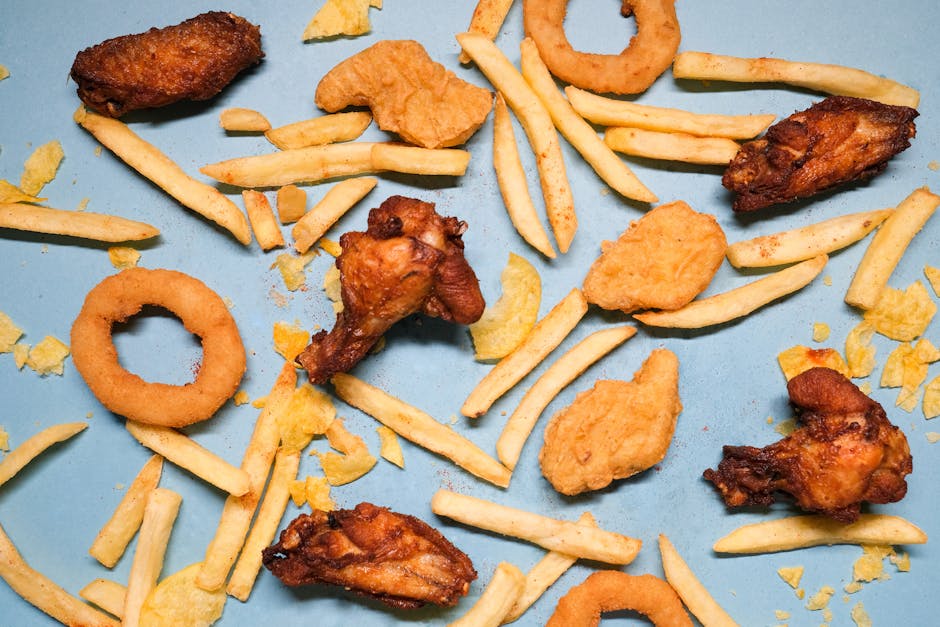
From deep-fried delights to rich, creamy sauces, fatty foods are notoriously difficult for your digestive system to break down. They can slow down stomach emptying, leading to a feeling of fullness, bloating, and even nausea. Think about how heavy you feel after a big greasy meal even when you’re well. Now imagine that feeling magnified when your stomach is already struggling. Your body has to work overtime, which is the last thing you need when you’re feeling unwell.
3. Dairy Products (Especially for the Lactose Intolerant)
While a glass of milk might seem soothing, for many, dairy can be a real troublemaker. If you’re lactose intolerant (even mildly), the lactose sugar in dairy can be difficult to digest, leading to gas, bloating, cramps, and diarrhea. Even if you don’t typically have issues, an upset stomach can make you temporarily more sensitive to lactose. Sarah, a colleague, loves her morning latte, but when her stomach is off, even a small amount of milk sends her running to the bathroom.
4. Acidic Foods and Drinks
Tomatoes, citrus fruits (like oranges and grapefruit), and highly acidic beverages such as coffee, soda, and some fruit juices can be particularly harsh on an already irritated stomach lining. Sipping on orange juice or a fizzy soda might seem refreshing, but they can be like pouring fuel on a fire in an irritated stomach, worsening acid reflux and heartburn.
5. Caffeinated Drinks
That morning coffee might be your ritual, but when your stomach’s protesting, it’s time for a break. Caffeine is a stimulant that can increase stomach acid production and act as a mild laxative, both of which can exacerbate an upset stomach, leading to more discomfort, heartburn, or even diarrhea.
6. Alcohol
Even a small glass of wine or a beer can feel like a bad idea when your stomach is already unhappy. Alcohol is an irritant to the stomach lining, can cause dehydration, and can also interfere with digestion. It’s best to avoid all alcoholic beverages until your stomach has settled completely.
7. Raw Vegetables (Certain Types) & Legumes
While usually super healthy, a big raw salad or a bowl of chili packed with beans might not be your best friend right now. Raw vegetables, especially cruciferous ones like broccoli, cabbage, and cauliflower, are high in fiber and can be tough for a sensitive digestive system to break down, leading to gas and bloating. Legumes like beans and lentils are also notorious for causing gas due to their complex carbohydrates.
8. Processed Sugary Foods
Reaching for that comforting cookie, candy bar, or sugary pastry might offer a moment of joy, but it can quickly backfire. High amounts of refined sugar can feed “bad” gut bacteria, potentially leading to increased gas, bloating, and even diarrhea. These foods also often lack beneficial nutrients and fiber, offering little support to a struggling digestive system.
What To Eat Instead: Your Stomach’s Best Friends
Now that we know what to avoid, let’s talk about the heroes – the foods that can actually help soothe and heal your upset stomach. The key is to choose bland, easy-to-digest options that won’t put extra strain on your digestive system. Think simple, gentle, and nourishing.
Bland Carbs: The Gut’s Gentle Hug
When my own stomach is acting up, I swear by a simple bowl of plain rice with a little salt. It’s boring, yes, but it’s a superhero for settling things down. White rice, plain toast, crackers (like saltines), and boiled potatoes are excellent choices. They provide easily digestible energy without irritating your stomach. Avoid whole grains initially, as their high fiber content can be too much for a sensitive gut.
Lean Proteins: Easy on the System
Once you feel ready for a little more substance, opt for lean, cooked proteins. Boiled or baked chicken breast (skinless), baked fish, and scrambled eggs are good options. These provide essential nutrients without the heavy fat content that can slow digestion.
Gentle Fruits: Nature’s Soothers
Bananas are a star player in the upset stomach recovery team. They’re easy to digest, provide potassium (which can be lost during vomiting or diarrhea), and have a natural antacid effect. Applesauce (unsweetened) and melon (like cantaloupe or honeydew) are also good choices.
Steamed/Cooked Vegetables: Soft and Digestible
Instead of raw veggies, go for steamed or boiled options like carrots, green beans, and zucchini. Cooking breaks down tough fibers, making them much easier for your stomach to process. A simple potato, boiled and mashed (without butter or milk initially), can be incredibly comforting and easy to digest.
Clear Broths and Soups: Hydration and Nutrients
Chicken broth or vegetable broth are fantastic for hydration and provide some electrolytes. Avoid creamy or fatty soups. As you feel better, you can add a few pieces of plain chicken or well-cooked vegetables to your broth.
Herbal Teas: Warm Comfort
Ginger tea is a well-known remedy for nausea. Peppermint tea can help soothe stomach cramps, and chamomile tea is excellent for relaxation and can ease indigestion. Just make sure they are decaffeinated.
Water: Your Hydration Hero
This might seem obvious, but staying hydrated is crucial, especially if you’ve been experiencing vomiting or diarrhea. Sip on small amounts of water frequently throughout the day. Electrolyte solutions can also be helpful for replenishing lost minerals.
Key Takeaways for a Happy Tummy
Dealing with an upset stomach is never fun, but making smart food choices can significantly speed up your recovery and reduce discomfort. Remember these key points:
- Listen to Your Body: Pay attention to what feels good and what doesn’t. Everyone is different.
- Opt for Bland: Stick to simple, low-fiber, low-fat, and non-acidic foods initially.
- Stay Hydrated: Sip water and clear broths frequently.
- Gradual Reintroduction: As you feel better, slowly reintroduce other foods, one at a time, to see how your stomach reacts.
- Avoid Irritants: Steer clear of spicy, fatty, acidic, caffeinated, and alcoholic items until you’re fully recovered.
By making these mindful choices, you’re not just avoiding discomfort; you’re actively supporting your body’s healing process. Give your gut the break it deserves, and you’ll be back to enjoying your favorite foods in no time!
Frequently Asked Questions About Upset Stomachs and Diet
Q: How long should I stick to a bland diet?
A: Generally, you should follow a bland diet for 24-48 hours after your symptoms have improved. Once you feel significantly better, you can slowly start reintroducing your regular foods, one at a time, to see how your stomach tolerates them. If symptoms return, go back to the bland diet for a bit longer.
Q: Can probiotics help an upset stomach?
A: Yes, probiotics can be very beneficial for an upset stomach, especially if the cause is related to gut flora imbalance (like after antibiotics) or certain types of diarrhea. They help restore healthy bacteria in your gut. However, it’s best to introduce them once acute symptoms have subsided, or consult with your doctor first.
Q: When should I see a doctor for an upset stomach?
A: While most upset stomachs resolve on their own, you should seek medical attention if you experience severe pain, high fever, bloody or black stools, persistent vomiting (especially if you can’t keep liquids down), signs of dehydration, or if your symptoms last longer than a few days. Always err on the side of caution when it comes to your health.
Written with love and assistance and refined for quality.
{“@context”:”https://schema.org”,”@type”:”Article”,”headline”:”Banish the Belly Ache: 8 Foods To Avoid With an Upset Stomach and What To Eat Instead”,”description”:”In this article, weu2019ll explore: 8 Foods To Avoid With an Upset Stomachand What To Eat Instead and why it…”,”author”:{“@type”:”Person”,”name”:”rahuljait”},”datePublished”:”2026-05-08T15:50:36+00:00″,”dateModified”:”2026-05-08T15:50:36+00:00″,”mainEntityOfPage”:”https://healthyworldz.com/banish-the-belly-ache-8-foods-to-avoid-with-an-upset-stomach-and-what-to-eat-instead/”,”image”:[“https://healthyworldz.com/wp-content/uploads/2026/05/8-foods-to-avoid-with-an-upset-stomachand-what-to-eat-instead-2.jpg”]}
🔗 Related: Women with polycystic ovary syndrome exhibit…
🔗 Related: Hormonal mechanisms of womens risk in…
🔗 Related: Hormonal mechanisms of womens risk in…