In this article, we’ll explore: BcozSheMatters: WHO Health Ministry roll out campaign on women and girls health and well-being and why it matters today.
Related:
👉 8 Foods To Avoid With an Upset Stomach and What To Eat Instead
👉 The Hidden Chemistry of Resilience: Why Women’s Hormones Matter in the Face of Trauma
👉 BcozSheMatters: How the WHO and Health Ministry are Changing the Future of Women’s Well-being
Have you ever noticed how, in most families, the woman is the glue that holds everything together? Whether it’s a mother making sure everyone has had breakfast, a sister helping with homework, or a grandmother sharing wisdom, women are the heartbeat of our communities. Yet, ironically, when it comes to health, these very women often put themselves last. They ignore that nagging pain, skip the check-up because the kids need shoes, or suffer in silence with mental health struggles because “there’s just no time.”
This is exactly why the latest initiative, BcozSheMatters: WHO Health Ministry roll out campaign on women and girls health and well-being, is so incredibly important. It isn’t just another government program with a long name; it is a movement designed to shift the narrative from “self-sacrifice” to “self-care.”
In this post, we’re going to dive deep into what this campaign is all about, why it’s happening now, and how it’s set to change the lives of millions of women and girls across the globe.
What is the BcozSheMatters Campaign?
At its core, “BcozSheMatters” is a joint effort between the World Health Organization (WHO) and regional Health Ministries to address the unique health challenges faced by women and girls. For too long, healthcare has been a “one-size-fits-all” model, often overlooking the biological, social, and economic factors that specifically affect women.
The campaign focuses on a “life-course approach.” This means it doesn’t just care about a woman when she is pregnant. It cares about the young girl entering puberty, the professional woman managing stress, and the elderly woman navigating menopause and beyond. It’s a holistic look at health that says: Your well-being matters at every single stage of your life.
The Pillars of the Campaign: More Than Just Medicine
The BcozSheMatters: WHO Health Ministry roll out campaign on women and girls health and well-being isn’t just about handing out pills or building more clinics. It’s about building a system that understands women. Here are the main pillars of the initiative:
1. Maternal and Reproductive Health
While maternal mortality rates have dropped globally, they are still far too high in many regions. This campaign focuses on providing quality prenatal and postnatal care. But it goes further—it advocates for reproductive rights and access to family planning, ensuring that women have the power to make decisions about their own bodies.
2. Mental Health and Emotional Well-being
This is a big one. Women are statistically more likely to experience anxiety and depression, often due to the “double burden” of working and managing a household. BcozSheMatters aims to destigmatize mental health issues, providing safe spaces for women to seek help without judgment.
3. Nutrition and Preventive Care
Did you know that anemia affects nearly one-third of all women of reproductive age? The campaign focuses on nutritional education and the prevention of non-communicable diseases like breast cancer, cervical cancer, and heart disease through regular screenings.
4. Adolescent Girls’ Empowerment
Health starts young. By focusing on menstrual hygiene, HPV vaccinations, and staying in school, the campaign ensures that girls grow up with the knowledge and physical health to pursue their dreams.
A Real-World Example: Meet Sunita
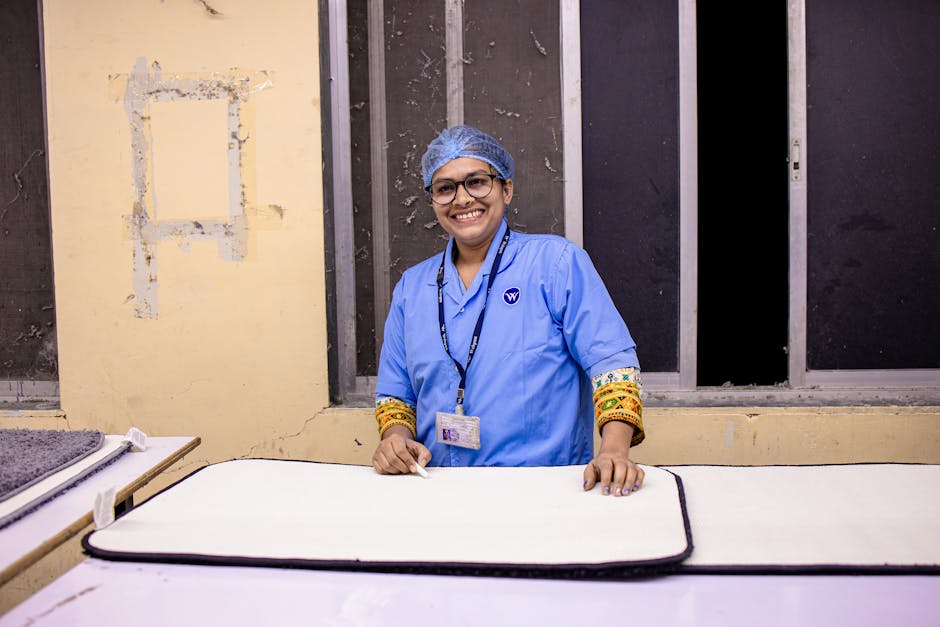
To understand the impact of a campaign like this, let’s look at a story. Imagine Sunita, a 32-year-old woman living in a semi-urban area. Sunita works at a local garment factory and has two children. For months, she felt an unusual lump, but she was too scared to tell anyone. She didn’t want to miss work, and she didn’t know if she could afford a doctor.
Under the BcozSheMatters: WHO Health Ministry roll out campaign on women and girls health and well-being, a mobile health clinic visited Sunita’s workplace. The health workers didn’t just offer screenings; they spoke to the women in a way that felt like a conversation between friends. Sunita got screened for free, the lump was caught early, and she was guided through the treatment process with financial support from the ministry.
This is the difference the campaign makes. It meets women where they are—at work, at home, and in their communities—removing the barriers of fear and cost.
Why Now? The Post-Pandemic Reality
You might be wondering, why is this campaign launching with such intensity right now? The truth is, the COVID-19 pandemic hit women’s health hard. During the lockdowns, many women missed their regular screenings. Domestic violence cases spiked. Economic shifts meant many girls dropped out of school and never returned.
The WHO and Health Ministries realized that we are at a tipping point. If we don’t act now to prioritize women’s health, we risk losing decades of progress. The BcozSheMatters initiative is the “reset button” we desperately need to get back on track.
Breaking the Stigma: It’s Okay to Talk About It
One of the biggest hurdles in women’s health isn’t a lack of doctors—it’s silence. In many cultures, talking about menstruation, menopause, or even breast health is considered “taboo.”
The BcozSheMatters campaign uses social media, local community leaders, and even celebrity advocates to break these silences. By talking openly about these topics, the campaign empowers women to speak up. When a young girl isn’t ashamed to ask for a sanitary pad, or an older woman isn’t embarrassed to talk about hot flashes, the entire healthcare system becomes more effective.
How Technology is Playing a Role
We live in a digital age, and the BcozSheMatters: WHO Health Ministry roll out campaign on women and girls health and well-being is leaning into that. The campaign includes:
- Telemedicine: Allowing women in rural areas to consult with female specialists via video calls.
- Health Apps: Simple, easy-to-use apps that help women track their cycles, monitor pregnancy milestones, and receive mental health tips.
- SMS Alerts: Sending reminders for vaccination dates or screening appointments directly to a woman’s phone.
The Economic Impact: Health is Wealth
There is a saying that “when you educate a girl, you educate a nation.” The same applies to health. When a woman is healthy, she can participate in the workforce. She can ensure her children are vaccinated and educated. She contributes to the economy.
Economists have found that investing in women’s health provides a massive return on investment. By preventing chronic illnesses and ensuring safe births, countries save billions in long-term healthcare costs. BcozSheMatters isn’t just a “kind” thing to do; it’s a smart economic strategy for every nation involved.
Key Takeaways from the BcozSheMatters Campaign
- Holistic Care: It addresses physical, mental, and social health across all ages.
- Accessibility: Focuses on bringing healthcare to the woman, rather than making her travel long distances.
- Education: Empowers women with the knowledge to identify symptoms and seek help early.
- Collaboration: Combines the global expertise of the WHO with the local reach of national Health Ministries.
- Dignity: Ensures that every woman is treated with respect and that her privacy is protected.
How Can You Support the Movement?
You don’t have to be a doctor to be part of the BcozSheMatters movement. Here is how you can help:
First, talk about it. Share information with the women in your life. Encourage your mother, sister, or friend to go for that check-up they’ve been putting off. Second, educate yourself. Use the resources provided by the WHO to understand the common health risks women face. Finally, advocate. Support policies in your local community that prioritize maternal health, mental health services, and girls’ education.
Conclusion
The BcozSheMatters: WHO Health Ministry roll out campaign on women and girls health and well-being is a beacon of hope. It recognizes that a woman’s health is not a luxury—it is a fundamental human right. By focusing on the unique needs of women and girls, we aren’t just helping individuals; we are strengthening the fabric of society itself.
Because when she thrives, we all thrive. And that is a goal worth working toward.
Frequently Asked Questions (FAQ)
1. What is the main goal of the BcozSheMatters campaign?
The main goal is to improve the overall health and well-being of women and girls by providing accessible healthcare, reducing maternal mortality, and addressing mental health and nutritional needs through a life-course approach.
2. Who is eligible for the services under this campaign?
The campaign is designed to reach all women and girls, with a special focus on those in underserved or rural communities who may have limited access to traditional healthcare services.
3. Does the campaign cover mental health?
Yes, mental health is a primary pillar of the BcozSheMatters initiative. It aims to provide counseling, reduce the stigma surrounding mental illness, and help women manage stress and anxiety.
4. How can I find BcozSheMatters services in my area?
You can check the official website of your national Health Ministry or the WHO regional office website. Many services are also being rolled out through local community centers and mobile clinics.
5. Is this campaign only for pregnant women?
No. While maternal health is a big part of it, the campaign covers health needs for all stages of life, from adolescent girls to elderly women, including preventive care for non-communicable diseases.
Written with love and assistance and refined for quality.
{“@context”:”https://schema.org”,”@type”:”Article”,”headline”:”BcozSheMatters: Why the New WHO and Health Ministry Campaign is a Game-Changer for Women and Girls”,”description”:”In this article, weu2019ll explore: BcozSheMatters: WHO Health Ministry roll out campaign on women and girls health and well-being and…”,”author”:{“@type”:”Person”,”name”:”Dr. Cuterus”},”datePublished”:”2026-05-24T10:38:15+00:00″,”dateModified”:”2026-05-24T10:38:15+00:00″,”mainEntityOfPage”:”https://healthyworldz.com/bcozshematters-why-the-new-who-and-health-ministry-campaign-is-a-game-changer-for-women-and-girls/”,”image”:[“https://healthyworldz.com/wp-content/uploads/2026/05/bcozshematters-who-health-ministry-roll-out-campaign-on-women-and-girls-health-and-well-being-19.jpg”]}
🔗 Related: 8 Foods To Avoid With an…
🔗 Related: Women with polycystic ovary syndrome exhibit…
🔗 Related: Making sense of the widening gender…