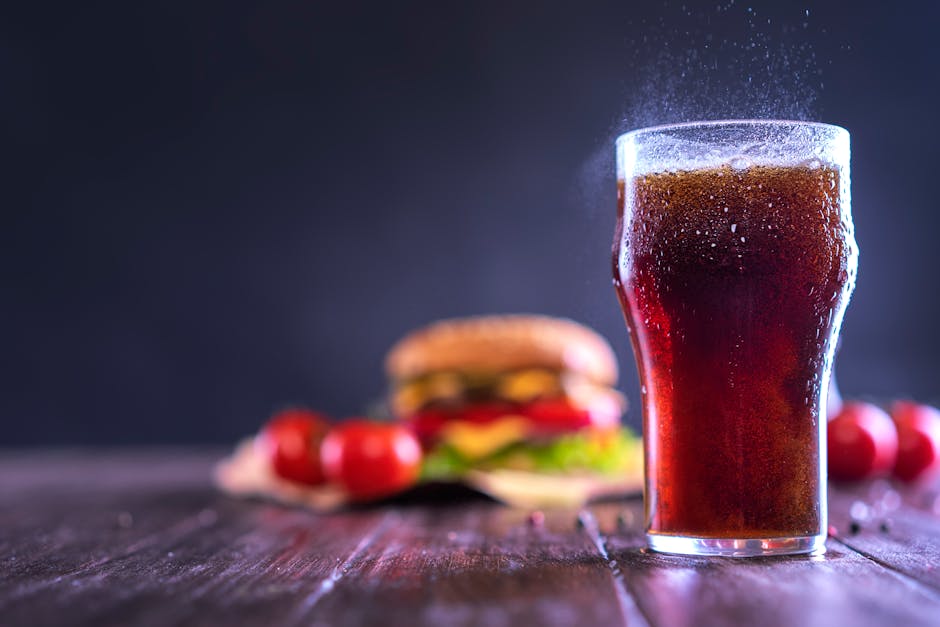
In this article, we’ll explore: 8 Foods To Avoid With an Upset Stomachand What To Eat Instead and why it matters today.
Related:
👉 BcozSheMatters: Why the New WHO and Health Ministry Campaign is a Game-Changer for Women and Girls
👉 PCOS and Pregnancy: Why "Impaired Endometrial Receptivity" Matters and the New Science Behind It
👉 8 Foods To Avoid With an Upset Stomach and What To Eat Instead
Learn more: 8 Foods To Avoid With an Upset Stomachand What To Eat Instead on Google Search
We’ve all been there. One minute you’re enjoying a delicious dinner with friends, and the next, your stomach starts making noises that sound like a construction site. Whether it’s a bout of food poisoning, a stomach flu, or just “something that didn’t sit right,” an upset stomach can bring your entire day to a grinding halt.
When your digestive system is on strike, your first instinct might be to reach for comfort food. But here’s the catch: the foods you usually find comforting—like a cheesy slice of pizza or a creamy latte—might actually be making your symptoms worse. Your gut is currently sensitive, inflamed, and overworked. It needs a vacation, not a heavy workload.
In this guide, we’re going to look at the 8 Foods To Avoid With an Upset Stomach and What To Eat Instead so you can stop the cramping and get back to feeling like yourself again.
Why Your Diet Matters When Your Gut is Grumbling
Think of your digestive tract like a high-speed conveyor belt. When you’re healthy, it moves smoothly. But when you’re sick, the belt is jammed. If you keep throwing heavy, complex items onto that jammed belt, everything is going to pile up, lead to more pain, and potentially cause a “system-wide shutdown” (otherwise known as spending the afternoon in the bathroom).
The goal is to eat foods that are “pre-digested” in a sense—foods that are so simple your body barely has to work to turn them into energy. But before we get to the good stuff, let’s talk about the culprits that are likely making your nausea or bloating worse.
8 Foods To Avoid With an Upset Stomach
1. Dairy Products (Milk, Cheese, and Ice Cream)
Even if you aren’t normally lactose intolerant, you might become “temporarily” intolerant when your stomach is upset. When the lining of your intestines is irritated (due to a virus or bacteria), your body may struggle to produce lactase, the enzyme needed to digest milk sugar.
Example: Imagine my friend Sarah. She had a mild stomach bug and thought a bowl of cold vanilla ice cream would “soothe” her throat. Within twenty minutes, the cramping was twice as bad because her gut simply couldn’t process the heavy cream and sugar. Save the dairy for when your gut is 100% back to normal.
2. Fried and Greasy Foods
French fries, burgers, and fried chicken are high in fats, and fat takes a long time to move through the digestive system. When your stomach is already sensitive, that heavy grease sits there like a lead weight. This can trigger acid reflux or make that “heavy” feeling in your gut even worse.
3. Spicy Foods
This one might seem obvious, but it’s worth repeating. Spices like chili powder, hot sauce, and curry contain capsaicin. While capsaicin has health benefits, it’s also a natural irritant. If your stomach lining is already raw, adding spice is like rubbing salt in a wound. It can trigger immediate cramping and even diarrhea.
4. Raw Vegetables and High-Fiber Foods
Usually, we’re told to eat more fiber. But when you have an upset stomach, fiber is your enemy. Raw vegetables like broccoli, cauliflower, and cabbage contain complex sugars and lots of insoluble fiber that cause gas and bloating. Your stomach has to work overtime to break down the tough cell walls of raw greens.
5. Caffeine and Alcohol
Both caffeine and alcohol act as diuretics, which means they dehydrate you. If you’ve been losing fluids through vomiting or diarrhea, the last thing you need is something that pulls more water out of your system. Furthermore, coffee is highly acidic and can irritate an already sensitive stomach lining.
6. Artificial Sweeteners (Sugar-Free Candies)
Check the labels on your gum or “diet” snacks. If you see ingredients ending in “-ol” (like sorbitol, xylitol, or erythritol), put them back. These sugar alcohols are notorious for causing gas, bloating, and a laxative effect. When your stomach is already upset, these chemicals can act like fuel on a fire.
7. Highly Acidic Foods (Citrus and Tomatoes)
Oranges, lemons, and tomato sauce are very acidic. While a glass of orange juice might seem like a good way to get Vitamin C when you’re sick, the acid can cause “heartburn” and irritate the lower esophageal sphincter, making you feel more nauseous.
8. Processed and Packaged Snacks
Chips, crackers with artificial flavorings, and boxed meals are often loaded with preservatives and chemicals. Your body doesn’t recognize these as “real food,” and processing those chemicals requires extra energy that your body should be using to heal itself.
What To Eat Instead: The Road to Recovery
Now that we know what to stay away from, let’s talk about the “healing” foods. You’ve likely heard of the BRAT diet, which is the gold standard for digestive recovery.
The BRAT Diet
- Bananas: They are easy to digest and high in potassium, which you lose when you’re dehydrated.
- Rice: Plain white rice is low in fiber and helps “bind” things together in your digestive tract.
- Applesauce: It provides a gentle boost of energy (sugar) and contains pectin, which can help firm up stools.
- Toast: Plain white toast (not whole grain!) gives you simple carbohydrates without the irritation of seeds or husks.
Other Safe Bets
1. Ginger and Peppermint
Ginger is a legendary natural remedy for nausea. Whether it’s ginger tea or a small piece of fresh ginger root steeped in hot water, it helps speed up “gastric emptying”—moving food from the stomach to the small intestine. Peppermint tea is also excellent for relieving gas and bloating because it relaxes the muscles in the gut.
2. Clear Broths
When you can’t keep solid food down, bone broth or vegetable broth is a lifesaver. It provides essential electrolytes and hydration without requiring any “chewing” or heavy lifting from your stomach.
3. Boiled Potatoes
Like white rice, a peeled, boiled potato is a bland starch that provides energy without irritation. Just make sure you don’t load it with butter or sour cream!
A Real-World Example: The “First Meal” Mistake
I remember a time I had a terrible stomach flu. By day three, I felt “hungry” for the first time. I made the mistake of thinking, “I’m hungry, so I must be cured.” I went out and grabbed a spicy chicken burrito. Within an hour, I was right back where I started—in bed, clutching my stomach.
The lesson? Even when you start feeling better, introduce “normal” foods slowly. Start with a piece of toast. Wait an hour. If you feel fine, try a little rice. Don’t rush back to the 8 foods to avoid just because your appetite has returned.
Key Takeaways for a Happy Gut
- Keep it bland: If it tastes exciting, it’s probably too hard to digest right now.
- Hydration is king: Sip water, broth, or herbal teas constantly.
- Small portions: Eat five tiny meals instead of one big one.
- Listen to your body: If even toast makes you feel sick, stick to liquids for a few more hours.
Frequently Asked Questions (FAQ)
Can I drink soda if my stomach is upset?
Most sodas are high in sugar and carbonation, which can cause gas and bloating. However, flat ginger ale (where the bubbles have been stirred out) is a classic remedy because of the ginger content. Avoid “diet” sodas with artificial sweeteners.
Is oatmeal okay for an upset stomach?
Yes, but keep it plain. Oatmeal is a “middle-ground” food. It has more fiber than white rice, so if you have severe diarrhea, you might want to wait a day. If you just have a mild stomach ache, plain oatmeal made with water can be very soothing.
How long should I wait before eating “normal” food again?
A good rule of thumb is to wait 24 to 48 hours after your last “incident” (vomiting or severe cramping) before reintroducing fats, dairy, or spices. Your gut lining needs time to regenerate.
Should I take probiotics while my stomach is upset?
Probiotics are great for long-term health, but during an acute “attack,” adding more bacteria (even the good kind) can sometimes cause more gas. It’s usually better to wait until the worst of the symptoms have passed, then use probiotics to help rebuild your gut flora.
Dealing with an upset stomach is never fun, but by focusing on the 8 Foods To Avoid With an Upset Stomach and What To Eat Instead, you can significantly shorten your recovery time. Remember: your body is incredibly good at healing itself; you just have to stop giving it extra work to do. Stick to the basics, stay hydrated, and you’ll be back to your favorite meals before you know it!
Written with love and assistance and refined for quality.
{“@context”:”https://schema.org”,”@type”:”Article”,”headline”:”8 Foods To Avoid With an Upset Stomach and What To Eat Instead”,”description”:”In this article, weu2019ll explore: 8 Foods To Avoid With an Upset Stomachand What To Eat Instead and why it…”,”author”:{“@type”:”Person”,”name”:”Dr. Cuterus”},”datePublished”:”2026-05-24T13:23:59+00:00″,”dateModified”:”2026-05-24T13:23:59+00:00″,”mainEntityOfPage”:”https://healthyworldz.com/8-foods-to-avoid-with-an-upset-stomach-and-what-to-eat-instead-18/”,”image”:[“https://healthyworldz.com/wp-content/uploads/2026/05/8-foods-to-avoid-with-an-upset-stomachand-what-to-eat-instead-137.jpg”]}
🔗 Related: Women with polycystic ovary syndrome exhibit…
🔗 Related: Making sense of the widening gender…
🔗 Related: Hormonal mechanisms of womens risk in…