In this article, we’ll explore: BcozSheMatters: WHO Health Ministry roll out campaign on women and girls health and well-being and why it matters today.
Related:
👉 Why Women React Differently to Trauma: Understanding the Hormonal Connection
👉 Tummy Troubles? 8 Foods To Avoid With an Upset Stomach and What To Eat Instead
👉 Beyond Just a Hashtag: Why the "BcozSheMatters: WHO Health Ministry roll out campaign on women and girls health and well-being" is a Game Changer
Imagine a world where every girl grows up with the medical support she needs, and every woman has the resources to thrive, not just survive. It sounds like a dream, doesn’t it? For too long, women’s health has been tucked away in a corner, often reduced to just “maternal care” or “reproductive issues.” But health is so much more than that. It’s about mental well-being, nutrition, bone health, and the right to live without the shadow of preventable diseases.
Recently, a massive wave of change started building. The BcozSheMatters: WHO Health Ministry roll out campaign on women and girls health and well-being has officially launched, and it is more than just a set of policy documents. It is a global movement designed to put women and girls at the very center of the healthcare conversation. From the bustling streets of urban centers to the quietest rural villages, this campaign is aiming to bridge the gap between “getting by” and truly flourishing.
In this post, we’re going to break down what this campaign actually means for you, your sisters, your mothers, and your daughters. We’ll look at why this initiative is a game-changer and how it plans to tackle the unique challenges women face today.
What is BcozSheMatters All About?
The name says it all, doesn’t it? “Because She Matters.” It’s a simple statement, but it carries a lot of weight. For decades, healthcare systems around the world were designed with a “one size fits all” approach—and historically, that “size” was usually based on male physiology. This left women with misdiagnosed symptoms, lack of research on female-specific conditions, and a general feeling of being overlooked.
The BcozSheMatters: WHO Health Ministry roll out campaign on women and girls health and well-being is the World Health Organization’s answer to this imbalance. By partnering with national Health Ministries, the WHO is moving beyond just “giving advice.” They are rolling out actual infrastructure, training, and awareness programs that prioritize the female experience throughout her entire life—from childhood through adolescence, into adulthood, and through the golden years of old age.
A Lifespan Approach to Health
One of the most refreshing things about this campaign is that it doesn’t just focus on one stage of life. Usually, when we talk about women’s health, we talk about pregnancy. While that is incredibly important, a woman’s health journey starts long before she considers motherhood and continues long after.
- The Early Years: Focusing on nutrition and vaccinations (like the HPV vaccine) for young girls to prevent future illnesses.
- Adolescence: Addressing menstrual health, body image, and mental health during the formative teenage years.
- Adulthood: Focusing on reproductive rights, work-life balance, and chronic disease prevention.
- The Later Years: Prioritizing bone density, menopause support, and heart health, which often presents differently in women than in men.
The Heart of the Matter: Why This Campaign is Different
I remember talking to a friend of mine, Sarah, who spent years dealing with chronic fatigue and pain. Every doctor she saw told her she was “just stressed” or “needed more sleep.” It took her five years to finally get a diagnosis for an autoimmune condition—something that is statistically much more common in women but often takes longer to diagnose. Sarah’s story isn’t unique. It’s the reality for millions.
The BcozSheMatters: WHO Health Ministry roll out campaign on women and girls health and well-being aims to fix this by educating healthcare providers to listen better and recognize female-specific symptoms. It’s about changing the culture of medicine from the ground up.
Breaking the Silence on Mental Well-being
For a long time, there has been a stigma around mental health, especially for women who are often expected to be the “pillars” of their families. They are the caregivers, the workers, and the emotional anchors. This pressure can lead to burnout, anxiety, and depression. This campaign is putting mental health on the same level as physical health. It’s telling women: “It’s okay not to be okay, and here is the professional support you deserve.”
Nutrition and the “Double Burden”
In many parts of the world, women face a “double burden” of malnutrition. They might be undernourished in terms of vitamins and minerals while simultaneously facing rising rates of obesity due to the lack of access to healthy, affordable food. The campaign works with local Health Ministries to ensure that nutritional education and supplements reach the women who need them most, particularly in underserved communities.
Real-World Impact: How It Looks on the Ground
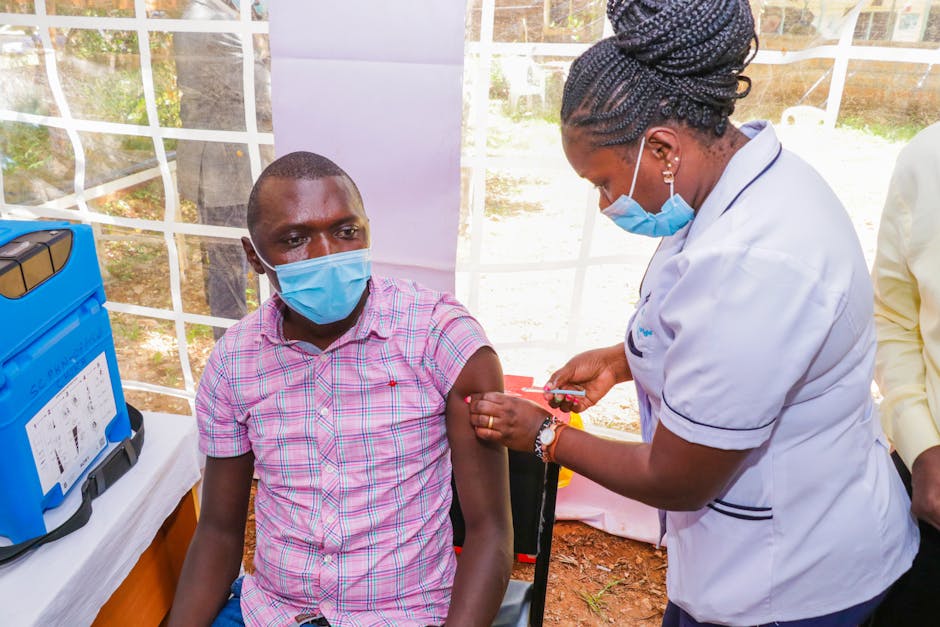
So, how does a global campaign actually change someone’s life? Let’s look at a hypothetical example based on the goals of the WHO initiative. Imagine a small community clinic in a rural area. Before the BcozSheMatters: WHO Health Ministry roll out campaign on women and girls health and well-being reached them, the clinic had limited supplies and mostly focused on basic first aid.
With the rollout of the campaign:
- Better Equipment: The clinic receives basic diagnostic tools for cervical cancer screening and prenatal ultrasounds.
- Specialized Training: Nurses and local health workers are trained to recognize the signs of postpartum depression, which often goes unnoticed in rural settings.
- Education Hubs: The clinic becomes a place where young girls can learn about their bodies without shame, receiving information on hygiene and reproductive health.
- Community Outreach: Health workers visit homes to talk to elders about the importance of girls’ nutrition, ensuring the benefits reach the entire family.
This isn’t just about medicine; it’s about empowerment. When a woman knows she has the support of her health ministry, she feels more confident in making decisions for herself and her family.
The Role of the Health Ministry: Local Action for Global Goals
While the WHO provides the framework and the global standards, the heavy lifting is done by the national Health Ministries. This is crucial because every country has different challenges. In some regions, the biggest hurdle is maternal mortality. In others, it might be the rising rates of non-communicable diseases like diabetes or breast cancer.
By localizing the BcozSheMatters: WHO Health Ministry roll out campaign on women and girls health and well-being, governments can tailor their approach. They can use local languages, respect cultural nuances, and focus their budget on the most pressing needs of their specific population. It’s a partnership where the global vision meets local expertise.
Three Key Pillars of the Rollout:
- Policy Reform: Changing laws to ensure women have equal access to healthcare services and insurance.
- Resource Allocation: Making sure money actually reaches women’s health clinics and research.
- Public Awareness: Using social media, radio, and community events to spread the word that “She Matters.”
Key Takeaways from the BcozSheMatters Campaign
If you’re looking for the “too long; didn’t read” version, here are the most important points to remember about this initiative:
- Holistic Focus: It covers physical, mental, and social well-being, not just reproductive health.
- Life-Long Support: It addresses the needs of females from infancy through old age.
- Empowerment: It aims to give women the knowledge and tools to take charge of their own health.
- Systemic Change: It works to fix the gender bias in medical research and treatment.
- Collaboration: It’s a joint effort between the WHO and national governments to ensure local relevance.
How Can You Support the Movement?
You don’t have to be a doctor or a politician to make a difference. The success of the BcozSheMatters: WHO Health Ministry roll out campaign on women and girls health and well-being depends on all of us. Here is how you can help:
First, educate yourself and the women in your life. Knowledge is the first step toward better health. Share information about screenings, mental health resources, and nutrition. Second, speak up. If you feel like your health concerns are being dismissed, don’t be afraid to seek a second opinion or ask for specific tests. Finally, support policies and organizations that prioritize women’s health. Whether it’s at a local school board meeting or through national elections, your voice matters.
Frequently Asked Questions (FAQ)
1. Who is the primary target of the BcozSheMatters campaign?
The campaign is designed for women and girls of all ages, across all socio-economic backgrounds. However, a special emphasis is placed on reaching vulnerable populations in underserved or rural areas where healthcare access is limited.
2. Does this campaign only focus on pregnancy and childbirth?
No! While maternal health is a vital part of the initiative, the campaign covers everything from adolescent mental health and nutrition to menopause, heart disease, and preventative screenings for cancers like breast and cervical cancer.
3. How is the WHO working with local governments?
The WHO provides the scientific guidelines, data, and strategic framework. National Health Ministries then take these guidelines and implement them through their own healthcare systems, ensuring the campaign is culturally appropriate and reaches the right people.
4. Why is there a need for a female-specific health campaign?
Historically, medical research and healthcare systems have been male-centric. Women often experience different symptoms for the same diseases (like heart attacks) and face unique health challenges that require specialized attention and research.
5. Where can I find more information about the campaign in my country?
You can check the official website of your national Ministry of Health or visit the WHO’s regional office website. Many countries will also be launching local social media campaigns under the #BcozSheMatters hashtag.
A Final Thought
At the end of the day, the BcozSheMatters: WHO Health Ministry roll out campaign on women and girls health and well-being is about more than just clinics and vaccines. It’s about dignity. It’s about recognizing that when a woman is healthy, she can lead, she can learn, she can earn, and she can lift her entire community with her.
Health is the foundation of everything else. By investing in the well-being of women and girls, we aren’t just doing something “nice”—we are doing something necessary for the progress of humanity. Because she matters. Today, tomorrow, and every day after.
Written with love and assistance and refined for quality.
{“@context”:”https://schema.org”,”@type”:”Article”,”headline”:”Why Her Health Changes Everything: Diving Into the BcozSheMatters WHO Health Ministry Campaign”,”description”:”In this article, weu2019ll explore: BcozSheMatters: WHO Health Ministry roll out campaign on women and girls health and well-being and…”,”author”:{“@type”:”Person”,”name”:”Dr. Cuterus”},”datePublished”:”2026-05-25T10:27:04+00:00″,”dateModified”:”2026-05-25T10:27:04+00:00″,”mainEntityOfPage”:”https://healthyworldz.com/why-her-health-changes-everything-diving-into-the-bcozshematters-who-health-ministry-campaign/”,”image”:[“https://healthyworldz.com/wp-content/uploads/2026/05/bcozshematters-who-health-ministry-roll-out-campaign-on-women-and-girls-health-and-well-being-22.jpg”]}
🔗 Related: Hormonal mechanisms of womens risk in…
🔗 Related: 8 Foods To Avoid With an…