In this article, we’ll explore: 8 Foods To Avoid With an Upset Stomachand What To Eat Instead and why it matters today.
Related:
👉 The Silent Influence: Understanding the Hormonal Mechanisms of Women’s Risk in the Face of Traumatic Stress
👉 8 Foods To Avoid With an Upset Stomach and What To Eat Instead: A Survival Guide
👉 Why Women React Differently to Trauma: Understanding the Hormonal Connection
Learn more: 8 Foods To Avoid With an Upset Stomachand What To Eat Instead on Investopedia
We’ve all been there. You’re sitting on the couch, clutching a heating pad or your stomach, wondering exactly which life choice led to this moment. Maybe it was that extra-spicy curry from the new place down the street, or perhaps a stomach bug decided to pay you an unwelcome visit. Whatever the reason, when your digestive system is throwing a tantrum, the last thing you want to do is make it worse.
I remember a specific Thanksgiving a few years ago. I was so excited about the spread that I ignored the subtle “grumble” my stomach was making before dinner even started. I dove headfirst into creamy mashed potatoes, spicy stuffing, and rich gravy. Within an hour, I wasn’t watching the football game; I was curled up in the guest room, regretting every single bite. That experience taught me a valuable lesson: your gut is a delicate ecosystem, and when it’s irritated, it needs a very specific kind of TLC.
Choosing the right fuel is the difference between a quick recovery and a long, miserable weekend. In this guide, we’re going to break down the 8 Foods To Avoid With an Upset Stomach and What To Eat Instead so you can get back on your feet and feel like yourself again.
Why Your Diet Matters During a Digestive Crisis
When your stomach is upset, your GI tract is often inflamed or overly sensitive. Digestion is actually a very energy-intensive process. When you’re healthy, your body handles complex fats and fibers with ease. But when you’re sick, your body wants to divert its energy toward healing, not breaking down a greasy cheeseburger.
Eating the wrong thing can trigger more acid production, speed up muscle contractions (leading to cramps), or cause “osmotic diarrhea” where your body pulls water into the gut to flush out irritants. By avoiding certain triggers, you give your stomach the “rest” it needs to repair itself.
The “No-Go” List: 8 Foods To Avoid With an Upset Stomach
1. Dairy Products (Even if You Aren’t Lactose Intolerant)
You might love a cold glass of milk or a slice of cheese, but when your stomach is in knots, dairy is often your worst enemy. Even if you usually digest dairy just fine, a stomach virus or irritation can temporarily deplete the enzyme “lactase” in your gut. This enzyme is what breaks down milk sugar (lactose). Without enough of it, dairy sits in your gut, ferments, and causes gas, bloating, and further diarrhea.
2. Fried and Greasy Foods
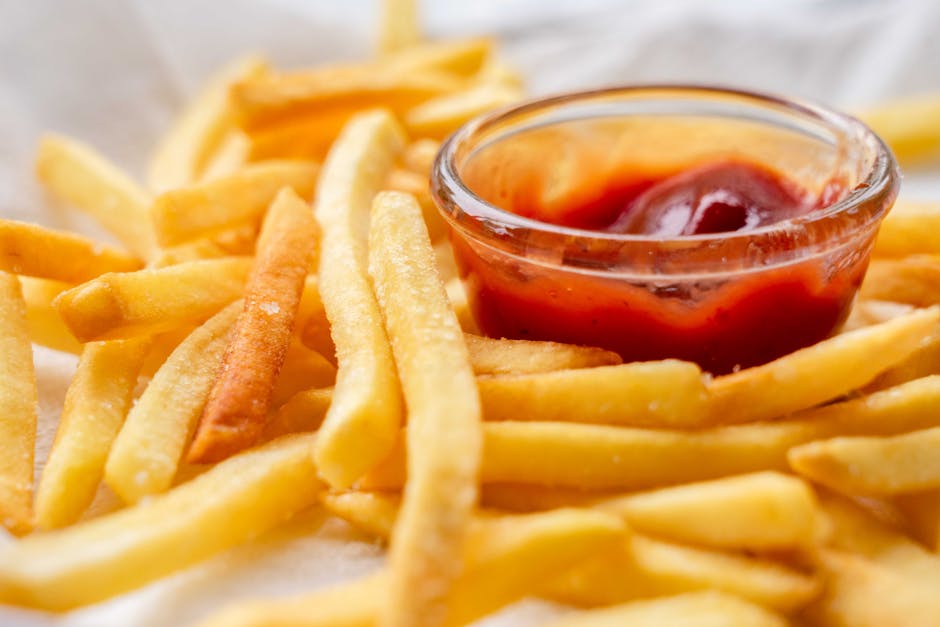
There is a reason why the smell of french fries makes you nauseous when you’re sick. High-fat foods are incredibly difficult for the body to digest. They take longer to move through the stomach, which can lead to that heavy, “brick in the stomach” feeling. Furthermore, fats can relax the lower esophageal sphincter, leading to acid reflux and heartburn on top of your existing nausea.
3. Spicy Foods
We all love a bit of heat, but capsaicin—the compound that makes peppers spicy—is a direct irritant to the lining of the stomach and intestines. If your gut is already raw or inflamed, adding spice is like rubbing salt in an open wound. It can speed up digestion to an uncomfortable degree, leading to “emergency” trips to the bathroom.
4. Acidic Foods (Citrus and Tomatoes)
Orange juice might seem like a healthy choice because of the Vitamin C, but the high acidity can wreak havoc on an upset stomach. Tomatoes, lemons, limes, and grapefruits can irritate the stomach lining and worsen symptoms of acid reflux. If you’re already feeling “acidic” or nauseous, stay away from the citrus bowl.
5. Artificial Sweeteners (Sugar Alcohols)
Check the labels on your “sugar-free” gum or diet sodas. Ingredients like sorbitol, xylitol, and erythritol are known as sugar alcohols. These are notorious for being poorly absorbed in the small intestine. They travel to the large intestine where they pull in water and are fermented by bacteria, leading to significant bloating and a laxative effect. This is the last thing you need when your stomach is already sensitive.
6. Caffeine and Alcohol
Both caffeine and alcohol act as diuretics, which means they dehydrate you. When you have an upset stomach—especially if it involves vomiting or diarrhea—dehydration is your biggest risk. Caffeine also stimulates the digestive tract to move faster, which can worsen cramping. Alcohol, on the other hand, is a toxin that can further irritate the stomach lining and interfere with liver function during recovery.
7. Raw Vegetables and High-Fiber Skins
Usually, fiber is the hero of the nutrition world. But when your gut is struggling, “insoluble” fiber (the kind found in raw kale, broccoli, and the skins of apples) is like sandpaper for your intestines. It requires a lot of mechanical work for the stomach to break down. Save the big salads for when you’re feeling 100%.
8. Heavily Processed Snacks
Boxed crackers, chips, and pre-packaged meals are often loaded with preservatives, artificial colors, and high amounts of salt. These chemicals can be hard for a sensitive stomach to process. While plain saltines are a classic remedy, many other processed snacks contain hidden fats and flavorings (like onion or garlic powder) that can trigger gas and discomfort.
What To Eat Instead: The Road to Recovery
Now that we’ve cleared out the pantry of the “bad guys,” let’s talk about what you should be eating. The goal here is “low residue” and “bland.” You want foods that are easy to break down and gentle on the stomach lining.
The Classic BRAT Diet
The BRAT diet has been the gold standard for decades for a reason. It stands for:
- Bananas: They are soft, easy to digest, and high in potassium, which you likely lost if you’ve been dehydrated.
- Rice: Plain white rice is a simple carb that provides energy without stressing the gut. Stick to white rice rather than brown, as the husk in brown rice is too much fiber for now.
- Applesauce: This provides a hit of sugar for energy and pectin, which can actually help firm up stools if you’re dealing with diarrhea.
- Toast: Plain white toast (avoid the butter!) is a great way to settle the stomach and soak up excess acid.
Ginger and Peppermint
Nature has provided some of the best stomach remedies. Ginger contains compounds called gingerols and shogaols that help speed up stomach emptying and reduce nausea. A warm cup of ginger tea (made from fresh ginger root) can be a miracle worker. Similarly, peppermint tea can help relax the muscles in the gut, reducing painful spasms and cramping.
Bone Broth or Clear Soup
If you can’t handle solid food yet, broth is your best friend. It provides essential electrolytes like sodium and potassium. Bone broth specifically contains amino acids like glycine and glutamine, which are known to help “seal” and heal the gut lining. Just make sure it’s not loaded with garlic or onions, which can cause gas.
Boiled Potatoes
Like white rice, a peeled, boiled potato is very easy to digest. It’s bland, filling, and provides a good amount of potassium. Just skip the butter, sour cream, and chives for now!
Real-World Example: How to Transition Back to Normal Food
Imagine it’s Saturday and you’re finally feeling a bit better after a 24-hour bug. Don’t celebrate with a pepperoni pizza! Instead, follow this transition:
- Phase 1 (The “I can’t move” phase): Sip on clear broth, ginger tea, and water.
- Phase 2 (The “I’m hungry” phase): Try a few bites of a banana or a single slice of dry toast. Wait 30 minutes to see how you feel.
- Phase 3 (The “I’m recovering” phase): Introduce plain white rice, boiled chicken breast (no skin), or applesauce.
- Phase 4 (The “Back to life” phase): Slowly introduce cooked vegetables (like carrots) and low-fat dairy like yogurt (which has probiotics to help your gut flora).
Key Takeaways
- Listen to your body: If the thought of a certain food makes you cringe, don’t eat it.
- Prioritize hydration: Water, broth, and herbal teas are more important than solid food in the first 24 hours.
- Keep it simple: The fewer ingredients in a meal, the easier it is for your stomach to handle.
- Avoid the “Big 8”: Remember the 8 Foods To Avoid With an Upset Stomach and What To Eat Instead—specifically avoiding dairy, grease, and spice.
Frequently Asked Questions (FAQ)
Can I eat yogurt with an upset stomach?
It depends. While dairy is generally avoided, plain Greek yogurt contains probiotics (healthy bacteria) that can help restore your gut balance after a bout of diarrhea. If you feel you can handle a little dairy, choose a low-fat, plain version with “live and active cultures.”
How long should I stay on a bland diet?
Usually, 24 to 48 hours after your symptoms have completely stopped is a safe window. If you jump back into greasy or spicy foods too early, you might trigger a “relapse” of symptoms.
Should I drink sports drinks for electrolytes?
Sports drinks can be helpful, but be careful. Many are very high in sugar, which can actually worsen diarrhea in some people. It’s often better to dilute them with water or opt for an oral rehydration solution (like Pedialyte) which has a better balance of salt and sugar.
When should I see a doctor?
While most upset stomachs resolve on their own, seek medical attention if you experience a high fever, blood in your stool, persistent vomiting that prevents you from keeping fluids down, or severe abdominal pain that doesn’t go away.
Recovery is all about patience. By being mindful of these 8 Foods To Avoid With an Upset Stomach and What To Eat Instead, you’re giving your body the best chance to bounce back quickly. Rest up, stay hydrated, and you’ll be back to your favorite meals before you know it!
Written with love and assistance and refined for quality.
{“@context”:”https://schema.org”,”@type”:”Article”,”headline”:”8 Foods To Avoid With an Upset Stomach and What To Eat Instead: A Guide to Feeling Better Fast”,”description”:”In this article, weu2019ll explore: 8 Foods To Avoid With an Upset Stomachand What To Eat Instead and why it…”,”author”:{“@type”:”Person”,”name”:”Dr. Cuterus”},”datePublished”:”2026-05-25T10:26:21+00:00″,”dateModified”:”2026-05-25T10:26:21+00:00″,”mainEntityOfPage”:”https://healthyworldz.com/8-foods-to-avoid-with-an-upset-stomach-and-what-to-eat-instead-a-guide-to-feeling-better-fast-5/”,”image”:[“https://healthyworldz.com/wp-content/uploads/2026/05/8-foods-to-avoid-with-an-upset-stomachand-what-to-eat-instead-144.jpg”]}
🔗 Related: BcozSheMatters: WHO Health Ministry roll out…
🔗 Related: Hormonal mechanisms of womens risk in…
🔗 Related: 8 Foods To Avoid With an…