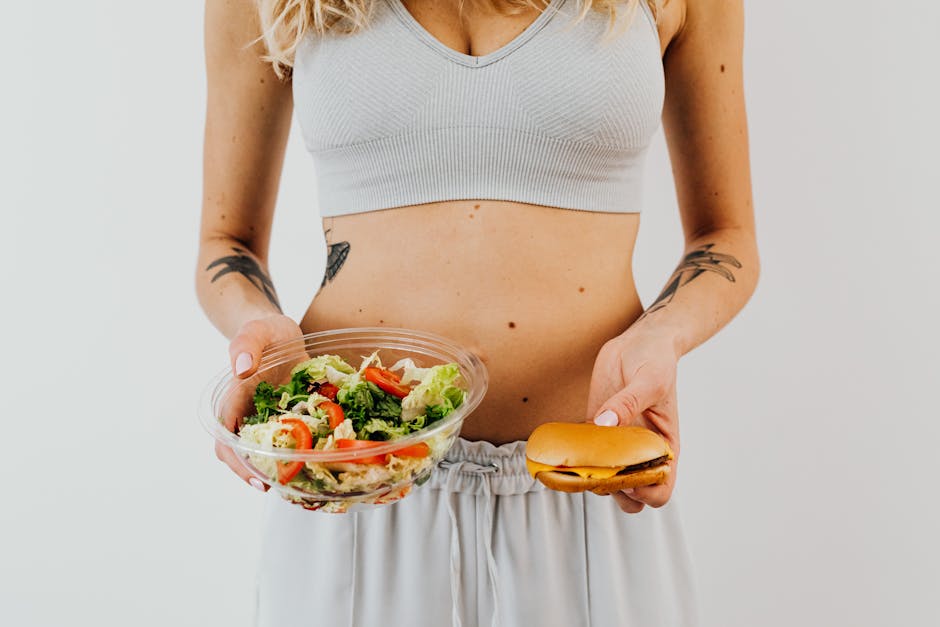
In this article, we’ll explore: 8 Foods To Avoid With an Upset Stomachand What To Eat Instead and why it matters today.
Related:
👉 Understanding PCOS and Fertility: Why Women With Polycystic Ovary Syndrome Exhibit Impaired Endometrial Receptivity With Excessive ER and Histone Lactylation
👉 8 Foods To Avoid With an Upset Stomach and What To Eat Instead
👉 BcozSheMatters: Why the New WHO and Health Ministry Campaign is a Game-Changer for Women and Girls
Learn more: 8 Foods To Avoid With an Upset Stomachand What To Eat Instead on Google Search
We’ve all been there. One minute you’re enjoying a delicious dinner with friends, and the next, your stomach starts doing backflips. Maybe it’s a dull ache, a sharp cramp, or that unmistakable “gurgle” that tells you a long night in the bathroom is ahead. When your digestive system is on strike, the last thing you want to do is make it worse.
I remember a few years ago, I had a particularly nasty bout of food poisoning. In my infinite wisdom, I thought a spicy bowl of chili would “sweat it out.” Spoiler alert: it didn’t. It felt like I had swallowed a handful of hot coals. That experience taught me a valuable lesson: what you put in your body when you’re sick can either be a soothing balm or a gallon of gasoline on a fire.
Knowing the 8 Foods To Avoid With an Upset Stomach and What To Eat Instead isn’t just about avoiding pain; it’s about giving your body the space it needs to heal. Let’s dive into what you should keep off your plate and what you should reach for when your gut is in a knot.
Why Your Stomach Gets Grumpy
Before we look at the list, it helps to understand what’s happening inside. When you have an upset stomach—whether from a virus, bacteria, or just something that didn’t sit right—your digestive lining is often inflamed. Your stomach and intestines are essentially “bruised.” Just like you wouldn’t run a marathon on a sprained ankle, you shouldn’t ask your gut to process heavy, complex foods when it’s irritated.
8 Foods To Avoid With an Upset Stomach
1. Dairy Products (Even if You Aren’t Lactose Intolerant)
You might love a cold glass of milk or a slice of cheese, but when your stomach is upset, dairy is often your worst enemy. Even if you usually digest dairy just fine, an intestinal flu or infection can temporarily deplete the enzyme “lactase” in your gut. Without enough lactase, your body can’t break down the sugar in milk (lactose), leading to bloating, gas, and—you guessed it—more diarrhea.
2. Fried and Greasy Foods
Think about a greasy bag of fast-food fries. Now imagine trying to wash that grease off a plate with just cold water. It’s tough, right? Your stomach feels the same way. High-fat foods are incredibly hard to digest. They slow down the emptying of the stomach, which can lead to nausea and acid reflux. If your gut is already struggling, that heavy fat is like a massive traffic jam in your digestive tract.
3. Spicy Foods
I learned this the hard way. Capsaicin, the compound that gives peppers their heat, can irritate the lining of the esophagus and stomach. When your digestive system is healthy, it can handle the heat. When it’s inflamed, spicy food acts like sandpaper on a wound. It can trigger immediate cramping and make a “run to the bathroom” much more urgent.
4. Refined Sugar and Artificial Sweeteners
Sugar can be a major trigger for digestive distress. High amounts of sugar can cause “osmotic pressure,” which basically means it pulls water into your intestines, making diarrhea worse. Even worse are artificial sweeteners like sorbitol or xylitol (often found in sugar-free gum or candies). These are notorious for causing gas and bloating because the body can’t absorb them properly.
5. Highly Acidic Foods
While a glass of orange juice might seem like a good way to get Vitamin C when you’re sick, the acid can be brutal. Citrus fruits (lemons, limes, oranges) and tomato-based products (like pasta sauce) are very acidic. This acid can irritate an already sensitive stomach lining and contribute to painful acid reflux and heartburn.
6. Caffeine
I know, I know—giving up your morning coffee is hard. But caffeine is a stimulant that speeds up everything in your body, including your digestive tract. It acts as a mild laxative, which is the last thing you need if you’re already dealing with loose stools. Plus, coffee is acidic, which adds another layer of irritation.
7. Alcohol
This one might seem obvious, but it’s worth mentioning. Alcohol is a toxin that irritates the stomach lining and interferes with liver function. It also dehydrates you. When you have an upset stomach, staying hydrated is your number one priority. Alcohol does the exact opposite, pulling water out of your system and making recovery much slower.
8. Raw Vegetables and High-Fiber Foods
Usually, fiber is the hero of the nutrition world. But when your stomach is upset, fiber is a lot of work. Raw vegetables like broccoli, cauliflower, and cabbage contain complex sugars that are hard to break down, leading to significant gas. Save the salad for when you’re feeling 100%.
What To Eat Instead: The Road to Recovery
Now that we’ve cleared the “danger zone,” let’s talk about the foods that will actually help you feel better. The goal here is “low residue”—foods that are easy to break down and gentle on the system.
The Classic BRAT Diet
Doctors and parents have recommended the BRAT diet for decades for a reason. It stands for:
- Bananas: They are easy to digest and high in potassium, which you lose when you’re vomiting or have diarrhea.
- Rice: Plain white rice is a “binding” food. It helps firm up stools and provides a quick source of energy without stressing the gut.
- Applesauce: It’s easier to digest than a raw apple and contains pectin, which can help with diarrhea.
- Toast: Plain white toast (not whole grain!) gives you something solid in your stomach without the heavy fiber that causes gas.
Ginger and Peppermint
Ginger is perhaps the oldest “medicine” for nausea. Whether it’s fresh ginger steeped in hot water or a high-quality ginger ale (make sure it has real ginger!), it helps speed up the movement of food from the stomach to the small intestine. Peppermint tea is also excellent for calming intestinal cramps and reducing gas.
Clear Broths
When you can’t keep solid food down, bone broth or vegetable broth is a lifesaver. It provides essential electrolytes and hydration without requiring any “heavy lifting” from your digestive enzymes. Plus, the warmth can be very soothing for stomach cramps.
Boiled or Steamed Protein
Once you feel ready to move past the toast and rice, try some very lean protein. Think boiled chicken breast or steamed white fish. Avoid seasoning them with anything other than a tiny pinch of salt. No oils, no butter, and definitely no hot sauce!
Real-World Example: Sarah’s “Safe” Recovery
My friend Sarah recently caught a stomach bug. On the first day, she tried to eat a normal dinner of salad and grilled steak. She ended up feeling ten times worse because her body couldn’t handle the fiber in the greens or the fats in the meat. On day two, she switched to the plan. She sipped ginger tea in the morning, had a small bowl of white rice for lunch, and some plain toast for dinner. By day three, the cramping had stopped, and she was able to slowly reintroduce her regular diet. The difference was night and day.
Key Takeaways for a Happy Gut
- Listen to your body: If the thought of a certain food makes you nauseous, don’t eat it. Your body is sending you a signal.
- Hydration is king: Sip water, electrolyte drinks, or herbal tea constantly. Small sips are better than big gulps.
- Go slow: Don’t jump back into a pepperoni pizza the moment you feel a little better. Ease back into your normal diet over 24 to 48 hours.
- Avoid “The Big 8”: Remember the 8 Foods To Avoid With an Upset Stomach and What To Eat Instead to minimize your recovery time.
Frequently Asked Questions (FAQ)
How long should I stay on the BRAT diet?
The BRAT diet is meant for short-term use (24-48 hours). It doesn’t provide enough nutrients or calories for long-term health. Once your symptoms subside, start adding back lean proteins and cooked vegetables.
Is yogurt good for an upset stomach?
It depends. While the probiotics in yogurt are great for gut health, the dairy can be hard to digest during the “acute” phase of a stomach bug. Wait until the worst of the cramping is over before trying plain, low-sugar yogurt.
Can I drink soda if my stomach is upset?
Most sodas are high in sugar and carbonation, both of which can cause bloating. However, flat ginger ale or a small amount of lemon-lime soda can sometimes help with nausea. Just make sure to let the bubbles fizz out first!
When should I see a doctor?
If you can’t keep any liquids down for more than 24 hours, see blood in your stool, have a high fever, or experience signs of severe dehydration (like extreme thirst or dark urine), it’s time to call a professional.
Taking care of your stomach doesn’t have to be complicated. By avoiding the common irritants and sticking to simple, bland foods, you give your digestive system the “vacation” it needs to get back to work. Stay hydrated, rest up, and you’ll be back to your favorite meals in no time!
Written with love and assistance and refined for quality.
{“@context”:”https://schema.org”,”@type”:”Article”,”headline”:”Tummy Troubles? 8 Foods To Avoid With an Upset Stomach and What To Eat Instead”,”description”:”In this article, weu2019ll explore: 8 Foods To Avoid With an Upset Stomachand What To Eat Instead and why it…”,”author”:{“@type”:”Person”,”name”:”Dr. Cuterus”},”datePublished”:”2026-05-24T18:31:31+00:00″,”dateModified”:”2026-05-24T18:31:31+00:00″,”mainEntityOfPage”:”https://healthyworldz.com/tummy-troubles-8-foods-to-avoid-with-an-upset-stomach-and-what-to-eat-instead-14/”,”image”:[“https://healthyworldz.com/wp-content/uploads/2026/05/8-foods-to-avoid-with-an-upset-stomachand-what-to-eat-instead-138.jpg”]}
🔗 Related: Hormonal mechanisms of womens risk in…
🔗 Related: Hormonal mechanisms of womens risk in…
🔗 Related: 8 Foods To Avoid With an…