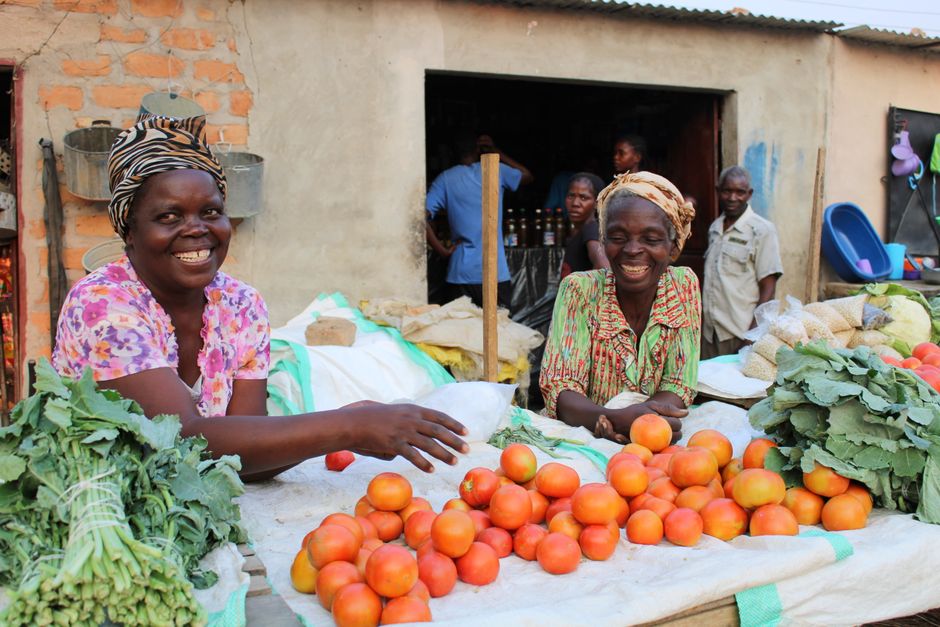
In this article, we’ll explore: BcozSheMatters: WHO Health Ministry roll out campaign on women and girls health and well-being and why it matters today.
Related:
👉 The Invisible Shield and the Storm: Understanding the Hormonal Mechanisms of Women’s Risk in the Face of Traumatic Stress
👉 BcozSheMatters: Why the New WHO and Health Ministry Campaign is a Game-Changer for Women and Girls Everywhere
👉 Understanding Why PCOS Affects Fertility: The Role of Endometrial Receptivity and New Scientific Discoveries
Imagine a world where a young girl doesn’t have to miss school because she lacks basic hygiene products. Imagine a world where a new mother feels just as supported in her mental health as she does in her physical recovery. Imagine a world where “preventative care” isn’t just a buzzword, but a reality for every woman, regardless of her zip code or bank balance.
That world is exactly what the World Health Organization (WHO) and the Ministry of Health are aiming for with their latest initiative. The buzz is real, and for a good reason. The launch of BcozSheMatters: WHO Health Ministry roll out campaign on women and girls health and well-being marks a significant turning point in how we view healthcare. It’s not just about treating illnesses anymore; it’s about valuing the person behind the patient.
In this post, we’re going to dive deep into what this campaign actually means for you, your sisters, your mothers, and your daughters. We’ll look at the pillars of the initiative, the real-world problems it aims to solve, and how we can all be a part of this movement.
What Exactly is the #BcozSheMatters Campaign?
At its heart, BcozSheMatters: WHO Health Ministry roll out campaign on women and girls health and well-being is a comprehensive roadmap designed to close the gap in healthcare equity. For too long, women’s health has been sidelined or narrowed down strictly to reproductive issues. While maternal health is vital, a woman is so much more than her ability to bear children.
The campaign recognizes that health is a lifelong journey. It starts from the moment a girl is born and continues through adolescence, adulthood, and into her senior years. The WHO and the Health Ministry have realized that if you empower a woman with health, you empower an entire community. As the old saying goes, “When you educate a man, you educate an individual; when you educate a woman, you educate a nation.” The same applies to health.
The “Why” Behind the Movement
Why now? Because the statistics are still startling. Despite all our technological advancements, millions of women still face barriers to basic screenings for cervical cancer, struggle with undiagnosed postpartum depression, or suffer from nutritional deficiencies that could have been easily prevented. The #BcozSheMatters campaign is a loud, clear response to these systemic failures.
The Core Pillars: More Than Just a Hashtag
A campaign is only as good as its action plan. The BcozSheMatters: WHO Health Ministry roll out campaign on women and girls health and well-being isn’t just about pretty posters in clinics; it’s built on several heavy-hitting pillars:
1. Maternal and Reproductive Excellence
We’ve made strides in reducing maternal mortality, but “surviving” childbirth isn’t the same as “thriving.” This pillar focuses on respectful maternity care. It’s about ensuring that every woman has a safe, dignified birth experience and access to family planning resources that allow her to make choices about her own body.
2. Mental Health and Emotional Well-being
For years, women have been told to “just keep going.” From the “supermom” syndrome to the silent struggle of menopause-related anxiety, mental health has often been the invisible casualty. The campaign aims to destigmatize these conversations and provide accessible counseling and support systems.
3. Preventive Screenings and Early Detection
Take the story of Elena, a 45-year-old mother of three. Elena always put her children’s check-ups first. She missed her own mammogram for three years straight. By the time she went, she was facing a much tougher battle. The #BcozSheMatters initiative focuses on bringing screenings—for breast cancer, cervical cancer, and cardiovascular health—directly to the communities where women live and work.
4. Adolescent Nutrition and Education
Anemia remains a massive hurdle for young girls globally. By focusing on nutrition in schools and educating girls about their menstrual health, the campaign ensures that the next generation starts their adult lives on a foundation of strength rather than deficiency.
Real-World Impact: Putting Faces to the Policy
To understand why BcozSheMatters: WHO Health Ministry roll out campaign on women and girls health and well-being is so vital, we have to look at the people it serves. Let’s talk about Sarah.
Sarah is a 22-year-old university student. For years, she suffered from debilitating pain during her period. She was told it was “normal” and to “tough it out.” Because of the lack of awareness around endometriosis, she suffered in silence, her grades slipping and her mental health declining. Under the new campaign guidelines, healthcare providers are being trained to take women’s pain seriously. Sarah finally got a diagnosis and the treatment she needed. She’s now back in class, advocating for others.
Then there’s Mrs. Gupta, a 60-year-old grandmother. She thought her constant fatigue was just a sign of “getting old.” Through a community health camp organized under the #BcozSheMatters banner, she discovered she had high blood pressure and early-stage diabetes. With simple lifestyle changes and medication, she’s back to chasing her grandkids around the park.
Breaking the Taboos
One of the most refreshing aspects of the BcozSheMatters: WHO Health Ministry roll out campaign on women and girls health and well-being is its willingness to talk about the “uncomfortable” stuff. We’re talking about menstruation, menopause, and sexual health.
In many cultures, these topics are whispered about or ignored entirely. This silence leads to ignorance, and ignorance leads to poor health outcomes. By bringing these topics into the light, the WHO is helping to strip away the shame. When a girl understands her cycle, she is empowered. When a woman understands menopause, she doesn’t feel like she’s losing herself. This campaign is about reclaiming the narrative of the female body.
How Technology is Playing a Role
We live in a digital age, and the Health Ministry is leaning into it. Part of the campaign involves:
- Telemedicine: Allowing women in rural areas to consult with specialists without traveling for days.
- Health Apps: Providing localized, easy-to-understand information about nutrition and pregnancy.
- Digital Records: Ensuring that a woman’s health history follows her, making sure no one falls through the cracks of the system.
The Economic Ripple Effect
Here’s something the bean-counters should care about: healthy women drive the economy. When women are healthy, they participate more fully in the workforce. They invest in their families. They lead businesses. By investing in the BcozSheMatters: WHO Health Ministry roll out campaign on women and girls health and well-being, the government isn’t just spending money; they are investing in the country’s future GDP. It is a win-win for everyone.
Key Takeaways from the #BcozSheMatters Campaign
- Holistic Approach: It covers everything from puberty to geriatrics, not just pregnancy.
- Equity: The goal is to reach the most marginalized women who have historically been left behind.
- Mental Health: Emotional well-being is finally being treated with the same importance as physical health.
- Prevention: A massive shift toward early screening and lifestyle education to prevent chronic diseases.
- Community-Led: The campaign encourages local leaders and influencers to spread the word, making it a grassroots movement.
How Can You Get Involved?
You don’t have to be a doctor or a politician to support this. Change starts with small, everyday actions:
Educate Yourself: Read up on the specific health challenges women face at different ages.
Share the Message: Use the hashtag #BcozSheMatters on social media to share stories of the incredible women in your life.
Support the Women Around You: Encourage your friends and family to go for their regular check-ups. Sometimes, a little nudge from a loved one is all it takes.
Advocate: If you see gaps in your local community’s healthcare, speak up. The Health Ministry is listening.
Final Thoughts
The BcozSheMatters: WHO Health Ministry roll out campaign on women and girls health and well-being is more than just a policy document. It is a promise. It’s a promise that a girl’s potential won’t be cut short by preventable illness. It’s a promise that a woman’s golden years will actually be golden. It’s a promise that, finally, her health matters—not because of what she can do for others, but because of who she is.
Let’s embrace this movement. Let’s talk about it at our dinner tables, in our offices, and in our community centers. Because when she thrives, we all thrive.
Frequently Asked Questions (FAQ)
1. What is the main goal of the BcozSheMatters campaign?
The main goal is to ensure universal access to high-quality health services for women and girls throughout their entire lives, focusing on physical, mental, and social well-being.
2. Who is eligible to benefit from this campaign?
The campaign is designed for all women and girls, with a specific focus on those in underserved or rural communities who often lack access to primary healthcare.
3. Does the campaign only focus on reproductive health?
No. While reproductive health is a key pillar, the campaign also covers mental health, non-communicable diseases (like diabetes and heart disease), nutrition, and adolescent health.
4. How is the WHO involved in this initiative?
The WHO provides the framework, technical expertise, and global standards to ensure the campaign follows the best medical practices and reaches international health goals.
5. How can I find #BcozSheMatters services in my area?
You can check with your local government health department or visit the official Health Ministry website for a list of participating clinics, mobile health camps, and digital resources.
6. Is there a cost associated with the screenings offered under this campaign?
One of the primary aims of the campaign is to provide many essential screenings and consultations for free or at a highly subsidized rate to ensure financial barriers don’t stop women from seeking care.
Written with love and assistance and refined for quality.
{“@context”:”https://schema.org”,”@type”:”Article”,”headline”:”BcozSheMatters: Why the WHO Health Ministryu2019s New Campaign is a Game-Changer for Women and Girls Everywhere”,”description”:”In this article, weu2019ll explore: BcozSheMatters: WHO Health Ministry roll out campaign on women and girls health and well-being and…”,”author”:{“@type”:”Person”,”name”:”Dr. Cuterus”},”datePublished”:”2026-06-08T12:21:15+00:00″,”dateModified”:”2026-06-08T12:21:15+00:00″,”mainEntityOfPage”:”https://healthyworldz.com/bcozshematters-why-the-who-health-ministrys-new-campaign-is-a-game-changer-for-women-and-girls-everywhere-2/”,”image”:[“https://healthyworldz.com/wp-content/uploads/2026/06/bcozshematters-who-health-ministry-roll-out-campaign-on-women-and-girls-health-and-well-being-43.jpg”]}
🔗 Related: Hormonal mechanisms of womens risk in…
🔗 Related: Sirona Foundation Promotes Menstrual Hygiene and…
🔗 Related: Hormonal mechanisms of womens risk in…