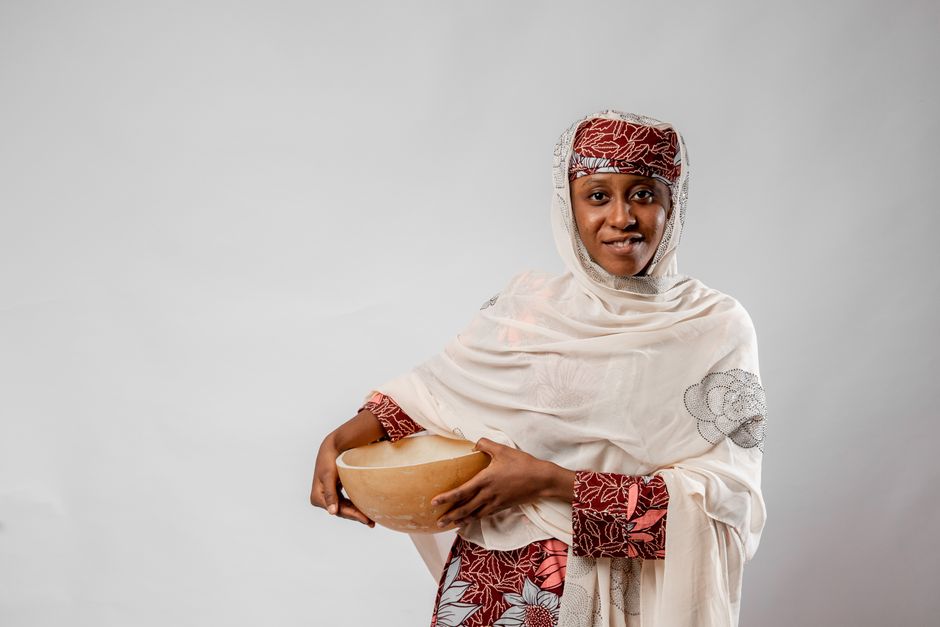
In this article, we’ll explore: BcozSheMatters: WHO Health Ministry roll out campaign on women and girls health and well-being and why it matters today.
Related:
👉 Understanding Why PCOS Affects Fertility: The Role of Endometrial Receptivity and New Scientific Discoveries
👉 Why Women’s Health Needs a System Redesign to Close the Diagnostics Gap
👉 Changing the Flow: How Sirona Foundation Promotes Menstrual Hygiene and Sustainable Period Care in India
Learn more: BcozSheMatters: WHO Health Ministry roll out campaign on women and girls health and well-being on Wikipedia
Have you ever noticed how the women in our lives—our mothers, sisters, daughters, and friends—are often the very last people to sit down at the dinner table? They are usually the ones making sure everyone else is fed, finished with their homework, or feeling okay after a long day. But in that process of caring for everyone else, their own health often takes a backseat.
It is a story we see in every corner of the world, from bustling cities to quiet rural villages. However, a major shift is finally happening on a global scale. The announcement of BcozSheMatters: WHO Health Ministry roll out campaign on women and girls health and well-being marks a pivotal moment in how we approach healthcare. It is not just another government program; it is a movement aimed at putting women’s health back where it belongs: at the center of the conversation.
What is the BcozSheMatters Campaign All About?
At its heart, the “BcozSheMatters” initiative is a collaborative effort between the World Health Organization (WHO) and regional Health Ministries. The goal is simple yet profound: to ensure that every woman and girl, regardless of her zip code or income, has access to the healthcare and support she needs to thrive.
For too long, “women’s health” was a term used almost exclusively to describe pregnancy and childbirth. While maternal health is incredibly important, it is only one piece of the puzzle. The BcozSheMatters campaign looks at the bigger picture. It covers everything from mental health and nutritional security to menstrual hygiene and the prevention of non-communicable diseases like breast cancer and diabetes.
The campaign recognizes that when a woman is healthy, her entire community prospers. When a girl is healthy, she stays in school, pursues her dreams, and eventually contributes to the economy. In short, investing in her isn’t just the right thing to do; it’s the smartest thing we can do for our collective future.
The Core Pillars of the Initiative
To make a real impact, the campaign isn’t just spreading awareness; it’s rolling out practical, boots-on-the-ground solutions. Here are the main areas where the BcozSheMatters: WHO Health Ministry roll out campaign on women and girls health and well-being is focusing its energy:
1. Holistic Maternal and Reproductive Care
While the campaign goes beyond childbirth, improving maternal outcomes remains a priority. This involves more than just a hospital bed for delivery. It includes prenatal vitamins, regular check-ups, and—most importantly—postpartum support. Many women suffer in silence with postpartum depression or physical complications because the “care” stops the moment the baby is born. This campaign aims to change that by extending the care window.
2. Breaking the Silence on Mental Health
Let’s be honest: the “Superwoman” trope is exhausting. The pressure to balance work, family, and social expectations takes a massive toll on women’s mental well-being. BcozSheMatters is launching community support groups and digital counseling services to help women manage stress, anxiety, and depression without the fear of being judged.
3. Nutritional Security and Anemia Prevention
In many parts of the world, girls are still the last to eat, leading to high rates of anemia and malnutrition. The Health Ministry is working with schools to provide fortified meals and iron supplements, ensuring that a girl’s physical growth isn’t stunted by social inequality.
4. Menstrual Hygiene and Dignity
It is heartbreaking that in 2024, girls are still missing school because they don’t have access to pads or clean toilets. The campaign is distributing hygiene kits and, more importantly, educating communities to break the taboos surrounding menstruation. A period should never be a period to a girl’s education.
A Real-World Example: Sarah’s Story
To understand why this campaign matters, look at Sarah, a 32-year-old mother of three living in a semi-urban area. For years, Sarah ignored a persistent lump in her breast because the nearest screening center was expensive and far away. She told herself, “It’s probably nothing, and I have to save that money for my son’s school books.”
Under the new BcozSheMatters initiative, a mobile health clinic visited Sarah’s neighborhood. The screening was free, fast, and local. Because the campaign had been advertising on the local radio, Sarah felt empowered to go. The lump was caught early, and she is now receiving treatment that is fully covered by the ministry’s new insurance scheme. Sarah isn’t just a statistic; she is a mother who will get to see her children grow up because a campaign decided that *she* mattered.
Why Now? The Post-Pandemic Gap
You might wonder why this campaign is launching with such urgency right now. The truth is, the last few years have been incredibly hard on women. During the global pandemic, healthcare resources were diverted, and many women missed their routine screenings, vaccinations, and prenatal visits.
The BcozSheMatters: WHO Health Ministry roll out campaign on women and girls health and well-being is a direct response to this “health debt.” We are playing catch-up, and the WHO knows that we cannot afford to wait any longer. We need to bridge the gap that opened up during the lockdowns and ensure that the progress we made over the last two decades isn’t lost.
How Communities Can Get Involved
Governments and international organizations can provide the tools, but the real magic happens at the community level. Here is how you can support the “BcozSheMatters” movement:
- Speak Up: Share information about local health drives on your social media. You never know which friend might see it and decide to finally book that check-up.
- Educate the Men: Health isn’t just a “woman’s issue.” When fathers, brothers, and husbands support the women in their lives in seeking care, the results are significantly better.
- Volunteer: Many of the local Health Ministry workshops need volunteers to help with logistics or to simply offer a friendly face to those coming in for care.
- Normalize the Conversation: Talk openly about mental health and hygiene. The more we talk about it, the less “shameful” it becomes for those who are struggling.
The Long-Term Impact: A Healthier Society
When we talk about the BcozSheMatters: WHO Health Ministry roll out campaign on women and girls health and well-being, we are talking about a ripple effect. A healthy woman is more likely to have healthy children. Those children are more likely to stay in school. An educated, healthy workforce leads to a stronger economy. It is a cycle of prosperity that starts with a single health check-up.
By focusing on the unique biological and social needs of women and girls, the WHO is acknowledging that a “one-size-fits-all” approach to medicine doesn’t work. We need tailored care, empathetic doctors, and accessible facilities. This campaign is the first major step toward that reality.
Key Takeaways
- Comprehensive Scope: The campaign covers physical, mental, and nutritional health, moving beyond just maternal care.
- Accessibility: Focuses on bringing healthcare to rural and underserved areas through mobile clinics and community outreach.
- Empowerment: Aims to break social taboos around menstruation and mental health.
- Economic Growth: Recognizes that women’s health is a cornerstone of global economic stability.
- Urgency: Addresses the healthcare gaps widened by the recent global pandemic.
FAQ: Everything You Need to Know
1. Who is eligible for the services under the BcozSheMatters campaign?
The campaign is designed to be inclusive. While it primarily targets women and girls in underserved or low-income communities, the educational resources and many of the screening programs are available to all women regardless of their background.
2. Is this campaign only happening in certain countries?
The BcozSheMatters initiative is a global framework developed by the WHO. However, it is being rolled out by individual Health Ministries, meaning each country will adapt the campaign to fit its specific cultural and medical needs.
3. Does the campaign include mental health support?
Yes! Mental health is one of the four main pillars of the initiative. This includes counseling for postpartum depression, anxiety management, and support for victims of gender-based violence.
4. How can I find a BcozSheMatters clinic near me?
You can check your local Health Ministry’s official website or visit your nearest community health center. Many areas are also using SMS alerts and local radio to announce when mobile clinics will be in specific neighborhoods.
5. What can I do if I want to help?
The best thing you can do is spread the word. Use the hashtag #BcozSheMatters on social media, encourage the women in your life to prioritize their health, and stay informed about the local health services being offered in your area.
At the end of the day, the BcozSheMatters: WHO Health Ministry roll out campaign on women and girls health and well-being is a reminder to every woman that her life, her comfort, and her health are not secondary. They are a priority. It’s time we all started acting like it.
Written with love and assistance and refined for quality.
{“@context”:”https://schema.org”,”@type”:”Article”,”headline”:”BcozSheMatters: Why the New WHO and Health Ministry Campaign is a Game-Changer for Women and Girls Everywhere”,”description”:”In this article, weu2019ll explore: BcozSheMatters: WHO Health Ministry roll out campaign on women and girls health and well-being and…”,”author”:{“@type”:”Person”,”name”:”Dr. Cuterus”},”datePublished”:”2026-06-08T10:07:23+00:00″,”dateModified”:”2026-06-08T10:07:23+00:00″,”mainEntityOfPage”:”https://healthyworldz.com/bcozshematters-why-the-new-who-and-health-ministry-campaign-is-a-game-changer-for-women-and-girls-everywhere/”,”image”:[“https://healthyworldz.com/wp-content/uploads/2026/06/bcozshematters-who-health-ministry-roll-out-campaign-on-women-and-girls-health-and-well-being-42.jpg”]}
🔗 Related: Hormonal mechanisms of womens risk in…