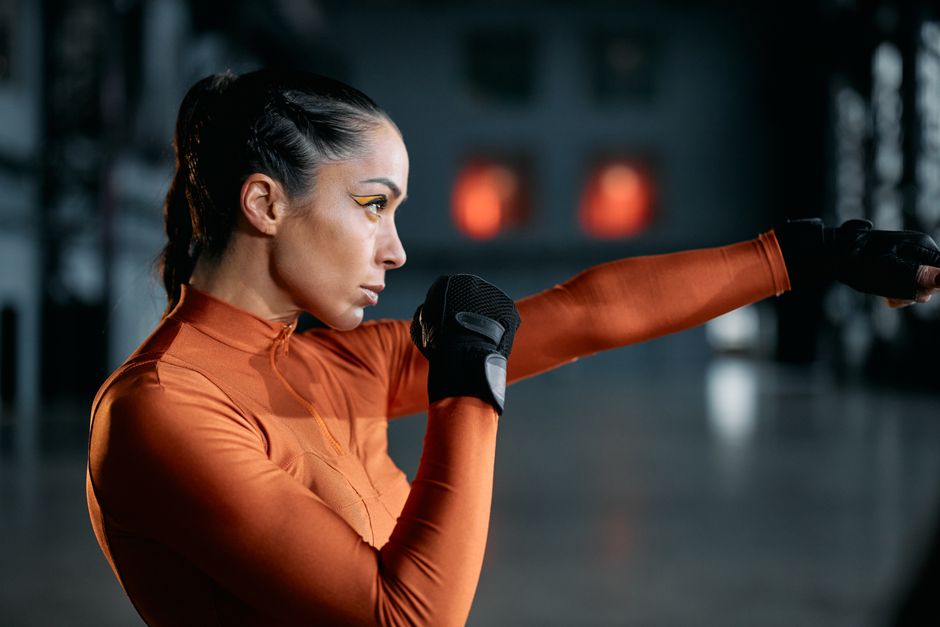
In this article, we’ll explore: Creatine for Women: Benefits Beyond Exercise and Muscle Building and why it matters today.
Related:
👉 Beyond the Whisper: Understanding Perineal Muscle Strength and Bladder Control for Young Mothers in Mangaluru
👉 DRAIPL expands technology business appoints Tapan Sharma as CEO
👉 The Hidden Risk of the Weight Loss Revolution: Why Menopause and GLP-1 Drugs Are a Risky Mix for Your Bones
Learn more: Creatine for Women: Benefits Beyond Exercise and Muscle Building on Investopedia
If you’ve ever stepped foot in a supplement shop or scrolled through fitness Instagram, you’ve likely seen those giant black tubs of powder with names like “Mega-Mass” or “Nitro-Pump.” For decades, creatine has been marketed almost exclusively to men who want to look like action figures. Because of this, most women have steered clear, fearing they’ll wake up with bulging biceps and a neck wider than their head if they so much as touch the stuff.
But here’s the truth: the fitness industry did women a massive disservice by pigeonholing this supplement.
I remember talking to my friend Sarah a few months ago. Sarah is a 38-year-old freelance graphic designer and a mom of two. She’s active, sure, but her biggest struggle wasn’t hitting a new personal best on her squat; it was the relentless “mom brain,” the 3 PM energy crashes, and the feeling that her moods were on a permanent rollercoaster thanks to her cycle. When I suggested she try creatine, she looked at me like I’d suggested she start taking rocket fuel. “I don’t want to get bulky,” she said. “And I definitely don’t want to look like a bodybuilder.”
After we looked at the actual science together, Sarah realized that creatine for women: benefits beyond exercise and muscle building are actually some of the most compelling reasons to take it. Fast forward to today, and she’s not a bodybuilder—but she is a lot more focused, less tired, and much more resilient.
In this post, we’re going to peel back the labels and look at why creatine might just be the most underrated health tool in a woman’s cabinet.
What Exactly is Creatine, Anyway?
Before we dive into the “why,” let’s talk about the “what.” Creatine isn’t a steroid. It’s not some lab-created chemical designed to trick your body. It’s a naturally occurring compound made of three amino acids: arginine, glycine, and methionine. Your body actually produces it in your liver and kidneys, and you get it from foods like red meat and fish.
Think of creatine as a “backup battery” for your cells. Its main job is to help produce a molecule called ATP (Adenosine Triphosphate). ATP is the primary energy currency of your body. When you run out of ATP, you run out of gas. Creatine helps you recharge that battery faster.
While most of that “battery power” is stored in your muscles, a significant amount is used by your brain and other vital organs. This is where the magic happens for women.
Your Brain on Creatine: Sharper, Faster, Better
Have you ever reached the middle of the afternoon and felt like your brain was made of cotton wool? You’re staring at an email, and the words just won’t form a sentence? That’s cognitive fatigue, and it’s one area where creatine shines.
Improving Mental Clarity and Focus
Your brain is an energy hog. Even though it only accounts for about 2% of your body weight, it consumes about 20% of your total energy. Research has shown that when you supplement with creatine, you’re essentially giving your brain a more efficient fuel source. Studies have found that creatine can improve short-term memory and reasoning, especially in people who are stressed or sleep-deprived (which, let’s face it, describes about 90% of women today).
The Sleep Deprivation Hack
This is a game-changer for new moms or anyone working high-stress jobs. When we don’t sleep, our brain’s creatine levels drop. This leads to that “foggy” feeling. Studies have shown that supplementing with creatine can help mitigate the negative effects of sleep deprivation on mental performance. It won’t replace a good night’s sleep, but it can help you function at a higher level when sleep just isn’t an option.
Mental Health and Mood Regulation
This is perhaps one of the most exciting areas of research regarding creatine for women: benefits beyond exercise and muscle building. Women are statistically more likely to experience depression and anxiety than men, and researchers are finding that creatine might play a role in managing these conditions.
The Serotonin Connection
There is evidence to suggest that creatine can influence the way our neurotransmitters, like serotonin and dopamine, work in the brain. Some clinical trials have shown that when women taking antidepressants (SSRIs) added a creatine supplement to their routine, they saw a faster and more significant reduction in their symptoms compared to those who took the medication alone.
It’s not a “cure,” but it’s a powerful support system for the brain’s chemistry. For women dealing with the “blues” or more serious depressive episodes, ensuring the brain has enough energy to process emotions and maintain chemical balance is vital.
Navigating the Hormonal Rollercoaster
A woman’s body is not static. Our hormones fluctuate every single week of the month, and these fluctuations affect our energy, our strength, and our brain function. Creatine seems to interact with these cycles in a very positive way.
PMS and PMDD Support
During the luteal phase (the week before your period), many women experience a drop in energy and an increase in brain fog. Interestingly, your body’s natural creatine levels also tend to fluctuate with your estrogen levels. By supplementing, you can provide a steady baseline of energy that helps level out those pre-period dips.
Pregnancy and Postpartum
While you should always talk to your doctor before starting any supplement while pregnant, the research is looking very promising. During pregnancy, the demand for creatine increases because the developing baby needs it for brain and organ development. Some researchers believe that maintaining healthy creatine levels during pregnancy can support better outcomes for both mom and baby, particularly regarding the baby’s brain health.
The Menopause Transition
As women enter perimenopause and menopause, estrogen levels drop. This drop is linked to a loss of muscle mass, a decrease in bone density, and—you guessed it—increased brain fog. Creatine acts as a protective shield during this time. It helps preserve lean tissue and supports cognitive function when hormones are in flux.
Strong Bones for the Long Haul
We often hear about calcium and Vitamin D for bone health, but creatine belongs in that conversation too. Osteoporosis is a major concern for women as they age.
When you take creatine, it doesn’t just help your muscles; it helps the “crosstalk” between your muscles and your bones. By supporting muscle strength, you’re naturally putting more healthy tension on your bones, which signals them to get stronger. Some studies have even shown that creatine may directly stimulate the cells involved in bone formation. It’s an insurance policy for your skeletal system.
Real-World Example: The “Non-Athlete” Success Story
Let’s look at Maria. Maria is 55, works as an accountant, and her “exercise” consists of walking her dog and the occasional yoga class. She started taking 3 grams of creatine a day not to get “buff,” but because she was worried about the memory lapses she was having during tax season.
After six weeks, Maria noticed something unexpected. She wasn’t just remembering her clients’ names better; she also noticed she wasn’t as exhausted after her evening walks. She felt “sturdier.” Her mood was more stable, and the usual irritability she felt during stressful weeks had diminished. For Maria, the benefits beyond exercise and muscle building were what kept her taking it.
How to Start (Without the Bloat)
If you’re ready to try it, don’t just grab the first thing you see. Here is the “human-friendly” guide to starting creatine:
- Choose Creatine Monohydrate: This is the most researched, cheapest, and most effective form. Don’t fall for “fancy” versions like HCl or buffered creatine; they aren’t better, just more expensive.
- The Dosage: You don’t need to “load” (taking massive amounts for a week). Just take 3 to 5 grams per day. That’s about one small scoop.
- Consistency is Key: Creatine works by saturating your cells over time. It’s not like caffeine; you won’t feel it in 20 minutes. It takes about 2-4 weeks of daily use to feel the full effects.
- The “Bloat” Myth: Some people experience slight water retention initially. This isn’t “fat.” It’s water being pulled into your muscle cells (which is a good thing!). If you stay at a low dose of 3g, most women don’t notice any bloat at all.
Key Takeaways
- Brain Power: Creatine acts as a secondary battery for your brain, reducing fog and improving memory.
- Mood Support: It may help manage symptoms of depression and anxiety by supporting neurotransmitter function.
- Hormonal Harmony: It can help mitigate the energy crashes associated with the menstrual cycle and menopause.
- Bone Health: It works alongside resistance training to keep your skeleton strong and prevent osteoporosis.
- Safety: It is one of the most studied supplements in history and is incredibly safe for long-term use.
Frequently Asked Questions
Will creatine make me look bulky?
No. Women don’t have the testosterone levels to “accidentally” get bulky. Creatine will simply help your muscles look more toned and hydrated while giving you more energy to move through your day.
Do I have to exercise to see the benefits?
While exercise enhances the effects, the cognitive and mood-related benefits of creatine happen regardless of whether you’re lifting weights or sitting at a desk.
Can I take it if I’m not a meat-eater?
Actually, vegetarians and vegans usually see the most benefit from creatine because they don’t get any from their diet. For plant-based women, it’s often a complete game-changer for energy levels.
Is it bad for my kidneys?
In healthy individuals, there is no evidence that creatine damages the kidneys. If you have pre-existing kidney disease, you should always consult your doctor first, but for the general population, it’s perfectly safe.
When is the best time to take it?
It doesn’t matter! The most important thing is that you take it every day. Mix it in your morning coffee, your smoothie, or just a glass of water.
In the end, we need to stop thinking of creatine as a “gym supplement” and start thinking of it as a “human supplement.” For women, the creatine for women: benefits beyond exercise and muscle building are simply too good to ignore. Whether you’re a busy professional, a mom, or someone navigating the changes of aging, this simple white powder might be the missing piece in your wellness puzzle.
Written with love and assistance and refined for quality.
🔗 Related: Women with polycystic ovary syndrome exhibit…
🔗 Related: BcozSheMatters: WHO Health Ministry roll out…
🔗 Related: A perfect storm for bone loss…