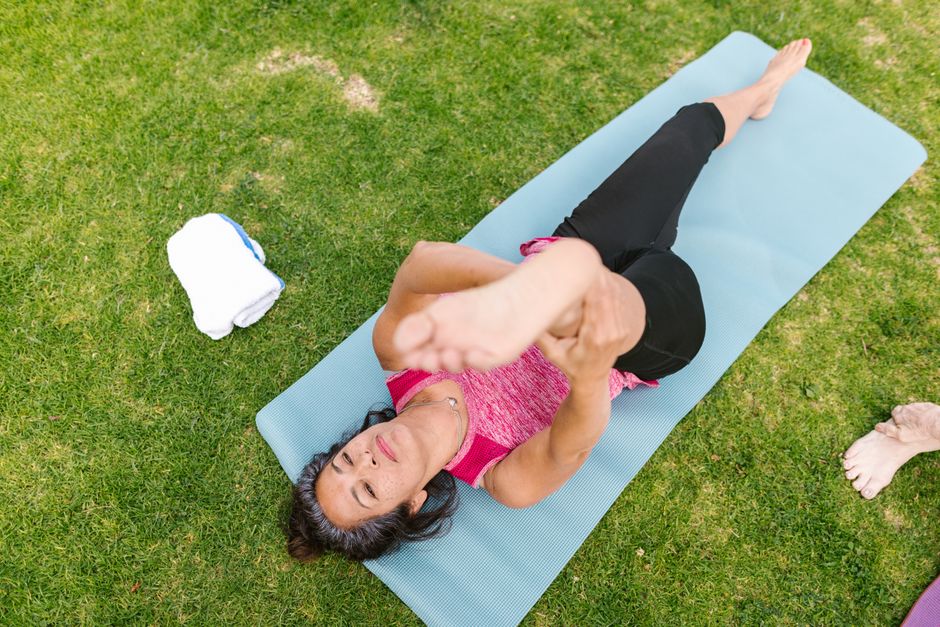
In this article, we’ll explore: Perineal muscle strength as a predictor of stress urinary incontinence among young parous women in Mangaluru India and why it matters today.
Related:
👉 Why Is It Harder to Get Pregnant with PCOS? The New Science of Histone Lactylation and Uterine Health
👉 Beyond the Whisper: Understanding Perineal Muscle Strength and Bladder Control for Young Mothers in Mangaluru
👉 DRAIPL expands technology business appoints Tapan Sharma as CEO
Imagine you’re at a beautiful wedding at a convention hall in Hampankatta. You’re dressed in your finest silk saree, laughing with old friends, and enjoying the vibrant Mangalurean atmosphere. Suddenly, someone tells a hilarious joke. You laugh heartily, but then—a moment of panic. You feel a tiny, uncontrollable leak. You quickly excuse yourself, your heart racing, wondering if anyone noticed.
For many young mothers in Mangaluru, this isn’t just a hypothetical scenario; it’s a daily reality. This condition is known as Stress Urinary Incontinence (SUI), and while it is incredibly common, it is rarely talked about over a cup of filter coffee. Recent discussions in the medical community have highlighted perineal muscle strength as a predictor of stress urinary incontinence among young parous women in Mangaluru India, and it’s time we brought this conversation into the light.
What is Stress Urinary Incontinence (SUI)?
Before we dive into the specifics of the research, let’s break down what SUI actually is. Stress Urinary Incontinence isn’t about emotional stress (though it certainly causes plenty of it!). Instead, it refers to physical “stress” or pressure placed on the bladder. When you cough, sneeze, laugh, lift something heavy, or even go for a jog along Panambur Beach, that extra pressure can cause urine to leak if your supporting muscles aren’t strong enough.
For young “parous” women—a medical term for women who have given birth—this issue often begins after pregnancy and delivery. The journey of bringing a life into the world is beautiful, but it takes a significant toll on the physical structures of the pelvic region.
The “Hammock” Underneath: Understanding Perineal Muscle Strength
Think of your pelvic floor (where the perineal muscles live) as a sturdy, flexible hammock. This hammock holds up your bladder, uterus, and bowels. When this hammock is tight and strong, everything stays in place, and the “tap” (your urethra) stays closed until you’re ready to go to the bathroom.
However, during pregnancy and childbirth, this hammock is stretched. In some cases, it’s stretched to its limit. If those muscles don’t regain their tone afterward, the hammock sags. When you sneeze, the “tap” doesn’t have enough support to stay closed, leading to that “oops” moment.
In Mangaluru, where many women lead active lives—balancing career, household chores, and the demands of motherhood—the strength of these muscles is the primary line of defense against SUI. This is why perineal muscle strength as a predictor of stress urinary incontinence among young parous women in Mangaluru India is such a vital area of study.
Why Mangaluru? The Local Context
You might wonder why we are focusing specifically on Mangaluru. Our coastal city has a unique blend of traditional lifestyle and modern healthcare. While we have access to some of the best hospitals in the country, there is still a cultural “shame” associated with urinary issues. Many young women in our community believe that leaking after having a baby is just “part of the deal.”
Local researchers have found that by measuring perineal muscle strength early on, they can actually predict which women are most at risk of developing chronic SUI. This means we can stop treating it as an inevitable part of aging and start treating it as a preventable health condition.
The Impact of Lifestyle and Diet
In Mangaluru, our lifestyle plays a role too. Whether it’s the heavy lifting involved in traditional household management or the sudden shift toward high-intensity gym workouts post-pregnancy without proper pelvic floor guidance, our bodies are under constant demand. Even our diet, rich in spicy foods and caffeine (that irresistible Mangaluru coffee!), can sometimes irritate the bladder, making SUI symptoms feel even worse.
The Science of Prediction: How Strength Tells the Story
How exactly does perineal muscle strength as a predictor of stress urinary incontinence among young parous women in Mangaluru India work in a clinical sense? Doctors and physiotherapists use various methods to test the “squeeze” power of the pelvic floor.
- Digital Palpation: A trained professional manually checks the strength and lift of the muscles.
- Perineometers: Small devices that measure the pressure exerted by the muscles during a contraction.
- Functional Testing: Observing if a leak occurs during a cough or a jump.
The research shows a clear correlation: the lower the “squeeze” pressure, the higher the likelihood of SUI. For a young mother in her late 20s or early 30s living in Mangaluru, knowing her muscle strength score can be the “early warning system” she needs to start pelvic floor physical therapy before the problem gets worse.
Real-Life Story: Anitha’s Journey
Let’s look at Anitha (name changed), a 29-year-old software engineer living in Bejai. After her second child, Anitha noticed she couldn’t play badminton anymore—a sport she loved. Every time she lunged for the shuttlecock, she experienced a leak. She felt embarrassed and started avoiding social gatherings.
Anitha eventually spoke to a physiotherapist at a local clinic. They assessed her perineal muscle strength and found it was significantly lower than average for her age. Instead of surgery, she was put on a structured “Pelvic Floor Rehab” program. Within three months of consistent exercises, her muscle strength increased, and her SUI symptoms vanished. Today, she’s back on the court, smashing shuttlecocks without a second thought.
Breaking the Stigma: It’s Not “Normal” to Leak
The biggest hurdle we face in Mangaluru isn’t a lack of medical technology; it’s the silence. We need to change the narrative. If you had a weak knee after an injury, you would go to a doctor. If you had a persistent cough, you would seek help. Why should the pelvic floor be any different?
Young parous women are the backbone of our families. When a mother is hesitant to laugh, run, or play because of SUI, her quality of life suffers. By recognizing perineal muscle strength as a predictor of stress urinary incontinence among young parous women in Mangaluru India, we are empowering women to take control of their bodies long before they need surgical intervention.
What Can You Do Today?
If you are a young mother in Mangaluru and you’ve noticed occasional leaking, here are a few steps you can take:
- Stop the “Just in Case” Peeing: Don’t go to the bathroom every 20 minutes just because you’re afraid. This trains your bladder to hold less.
- Learn the Proper Kegel: It’s not just about squeezing; it’s about the “lift.” Imagine you are trying to pick up a marble with your pelvic muscles.
- Consult a Specialist: Mangaluru has excellent uro-gynecologists and pelvic floor physiotherapists. Don’t be afraid to book an appointment.
- Watch Your Posture: Slumping puts extra pressure on your pelvic floor. Standing tall helps your muscles work more efficiently.
Key Takeaways for Pelvic Health
To summarize the importance of this topic, here are the vital points every woman in Mangaluru should know:
- Strength is Key: Perineal muscle strength is the best indicator of whether you will suffer from SUI.
- Early Detection: Testing muscle strength after childbirth can predict future issues, allowing for early intervention.
- It’s Treatable: SUI is not a life sentence. Most cases can be significantly improved with targeted exercise.
- Location Matters: Localized studies in Mangaluru help healthcare providers tailor treatments to our specific community needs.
Frequently Asked Questions (FAQ)
1. Is leaking urine a normal part of getting older?
No. While it is common, it is not “normal.” It is a sign that the pelvic floor muscles need strengthening or coordination training.
2. Can I do Kegels during pregnancy?
In most cases, yes! Strengthening your perineal muscles during pregnancy can actually make postpartum recovery much faster. However, always consult your doctor first.
3. How long does it take to see results from pelvic floor exercises?
Just like going to the gym for your biceps, your pelvic floor needs time. Most women notice a difference in 6 to 12 weeks of consistent daily practice.
4. Does a C-section prevent Stress Urinary Incontinence?
Not necessarily. While vaginal delivery can stretch the muscles, the weight and pressure of pregnancy itself can weaken the pelvic floor, meaning C-section moms are also at risk.
5. Where can I get help in Mangaluru?
Most major hospitals in Mangaluru (like KMC, Father Muller, or AJ Hospital) have specialized departments for women’s health and physiotherapy that can help assess your muscle strength.
Conclusion
The study of perineal muscle strength as a predictor of stress urinary incontinence among young parous women in Mangaluru India is more than just academic research—it’s a roadmap to better health for thousands of women in our city. By understanding that our muscle strength is a predictor of our future comfort, we can take proactive steps today.
So, the next time you’re out at a cafe in Balmatta or walking through the malls, remember that your health is a priority. Don’t let the fear of a leak hold you back from laughing, dancing, and living your life to the fullest. Your “hammock” deserves a little love and attention!
Written with love and assistance and refined for quality.
🔗 Related: Creatine for Women: Benefits Beyond Exercise…