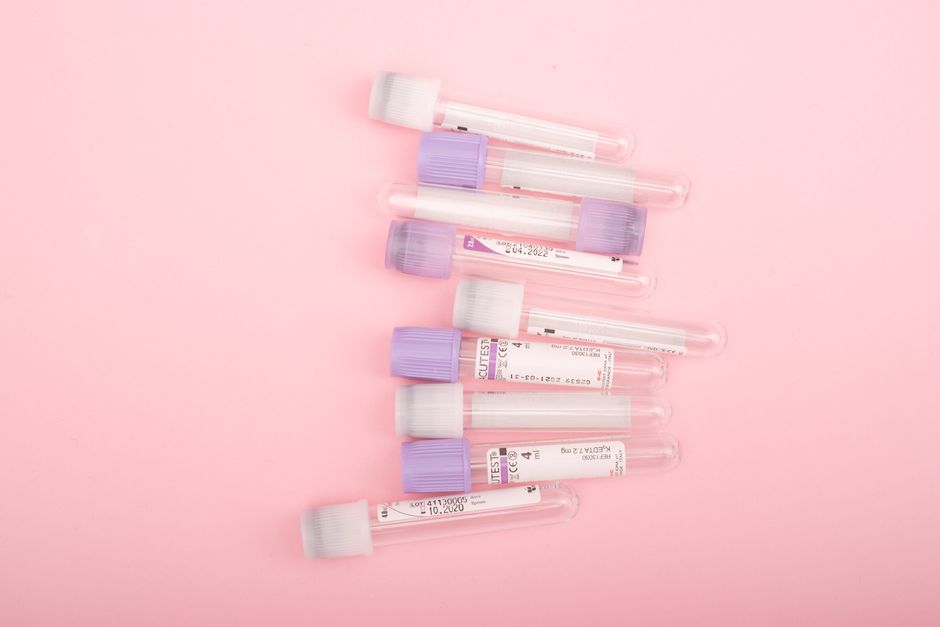
In this article, we’ll explore: From PCOS to PMOS: is a name change enough to make a difference and why it matters today.
Related:
👉 Why Every Woman’s Health Is a Priority: Inside the BcozSheMatters Campaign
👉 Why Do Women Experience Trauma Differently? Understanding the Hormonal Mechanisms of Risk
👉 Why Am I Losing Inches But Not Weight? Here Are 4 Possible Reasons The Scale Isn't Changing
Learn more: From PCOS to PMOS: is a name change enough to make a difference on Wikipedia
Imagine walking into a doctor’s office because you’re exhausted, your hair is thinning, and you haven’t had a regular period in six months. After a few tests, the doctor looks at your ultrasound and says, “Well, your ovaries look clear. You don’t have cysts, so you don’t have Polycystic Ovary Syndrome.”
You leave feeling confused, dismissed, and—quite frankly—gaslit by your own body. This is the reality for millions of women worldwide. The name “Polycystic Ovary Syndrome” (PCOS) has been the standard for decades, but there is a growing movement in the medical community to rename it to Polycystic Metabolic Ovarian Syndrome (PMOS).
The big question is: From PCOS to PMOS: is a name change enough to make a difference, or is it just a fresh coat of paint on a crumbling house? Let’s dive into why this shift is happening and what it actually means for the people living with this condition every single day.
The Problem with the Name “PCOS”
To understand why we need a change, we have to look at why the current name is so problematic. PCOS is a bit of a misnomer. First of all, the “cysts” people talk about aren’t actually cysts. They are small, underdeveloped follicles that didn’t release an egg. They are perfectly normal features of an ovary that isn’t ovulating properly; they aren’t dangerous growths that need to be removed.
Secondly, you don’t even need to have these “cysts” to be diagnosed with the syndrome. According to the current diagnostic criteria (the Rotterdam Criteria), you only need two out of three symptoms: irregular periods, high androgen levels (like testosterone), or polycystic ovaries on an ultrasound. This means someone can have the metabolic chaos of PCOS without a single “cyst” in sight.
Because the name focuses so heavily on the ovaries, many doctors—and patients—mistakenly believe it is strictly a reproductive issue. This leads to people being told, “Come back when you want to get pregnant,” while their insulin resistance, heart health, and mental health are completely ignored.
What Does PMOS Bring to the Table?
The proposed name change to Polycystic Metabolic Ovarian Syndrome (PMOS) adds one very important word: Metabolic. This isn’t just semantics; it’s a fundamental shift in how we view the disease.
1. It Acknowledges the Root Cause
For the vast majority of people with this condition, the “engine” driving the symptoms is insulin resistance. When your body doesn’t use insulin correctly, it produces too much of it. High insulin levels then signal the ovaries to produce excess testosterone. By adding “Metabolic” to the name, we are finally admitting that this is a systemic endocrine disorder, not just a “lady parts” problem.
2. It Broadens the Scope of Care
If a condition is labeled as “Metabolic,” a doctor is much more likely to check your fasting insulin, your cholesterol, and your risk for Type 2 diabetes. Currently, many women with PCOS go years without having their blood sugar properly monitored because their doctor is only focused on their menstrual cycle.
3. It Validates the “Invisible” Symptoms
When you tell someone you have “ovary syndrome,” they might think of period cramps. They don’t think of the crushing fatigue, the intense sugar cravings, the “brain fog,” or the rapid weight gain that comes with metabolic dysfunction. PMOS gives a name to the struggle happening inside the cells, not just the reproductive organs.
From PCOS to PMOS: Is a Name Change Enough to Make a Difference?
While the logic behind the name change is sound, we have to ask if it will actually change the lives of patients. Let’s look at a real-world example.
Meet Sarah. Sarah was diagnosed with PCOS at 22. Her doctor put her on the birth control pill and told her to “lose weight.” Sarah struggled with her weight for ten years, feeling like a failure because “calories in, calories out” didn’t work for her. It wasn’t until she saw a specialist who explained her metabolic dysfunction that she started focusing on protein, fiber, and strength training. Finally, her symptoms improved.
If Sarah had been diagnosed with PMOS from day one, her doctor might have prioritized her metabolic health instead of just masking her symptoms with a pill. In this case, the name change would have made a massive difference in her quality of life and her long-term health outcomes.
However, a name change alone isn’t a magic wand. Here is what else needs to happen:
- Medical Education: Medical schools need to update their curriculum to reflect that this is an endocrine disorder, not just a gynecological one.
- Research Funding: We need more money put into metabolic research for women. Currently, PCOS/PMOS receives a fraction of the funding that other, less common conditions receive.
- Insurance Coverage: Many insurance companies won’t cover visits to a registered dietitian or weight-loss medications for PCOS because they see it as a fertility issue. A “Metabolic” label could force insurance companies to cover life-changing treatments.
The Emotional Impact of a New Label
There is also the psychological side of things. Many women feel a sense of shame or “brokenness” associated with the word “Polycystic.” It sounds like something is growing inside you that shouldn’t be there. It feels localized to your womanhood.
Shifting to PMOS can be empowering. It moves the conversation away from “Why aren’t my ovaries working?” to “How can I support my metabolism?” It takes the pressure off the reproductive system and places the focus on overall longevity and wellness. For many, this shift in perspective is the first step toward true healing.
The Risks of Changing the Name
Of course, there is always a downside to rebranding a well-known condition. PCOS has finally started to gain some mainstream recognition. Celebrities are talking about it, and there are thousands of support groups online.
If we suddenly switch to PMOS, do we lose that momentum? Will patients get lost in the shuffle? There is a risk of confusion during the transition period where some doctors use the old term and some use the new one. However, most experts argue that the long-term benefits of an accurate name far outweigh the short-term confusion.
Key Takeaways: Why the Shift Matters
- Accuracy: PCOS is a misleading name because many patients don’t have cysts, and the issue is systemic, not just ovarian.
- Metabolic Focus: Adding “Metabolic” (PMOS) highlights the role of insulin resistance, which is the root cause for most sufferers.
- Better Treatment: A more accurate name encourages doctors to look at cardiovascular and diabetic risks rather than just fertility.
- Reduced Stigma: Moving away from “cysts” helps patients understand that their symptoms (weight gain, fatigue) are biological, not a lack of willpower.
- Advocacy: A new name can be a catalyst for better insurance coverage and increased research funding.
The Bottom Line
So, from PCOS to PMOS: is a name change enough to make a difference? On its own, no. A name is just a word. But as a symbol of a paradigm shift in medicine, it could be revolutionary.
If the name change leads to earlier diagnoses, better insurance coverage for metabolic health, and a more compassionate approach from the medical community, then it is more than just a difference—it’s a necessity. We need to stop treating the symptoms and start treating the person. Whether we call it PCOS or PMOS, the goal remains the same: helping millions of people take back control of their bodies and their lives.
Frequently Asked Questions
Is PMOS a new disease?
No, PMOS is not a new disease. It is a proposed new name for Polycystic Ovary Syndrome (PCOS). The symptoms and underlying biology remain the same; the new name simply reflects our modern understanding of the condition as a metabolic disorder.
Do I have to have “cysts” to be diagnosed with PMOS?
No. Just like with PCOS, you do not need to have follicles (often called cysts) on your ovaries to be diagnosed. The “Metabolic” part of the name emphasizes that the hormonal and blood sugar issues are the primary concern.
Will my doctor know what PMOS is?
Right now, “PCOS” is still the official medical term used in diagnostic manuals. However, the conversation about changing it to PMOS is happening at the highest levels of medical research. Your doctor may still use the term PCOS, but you can always bring up the “metabolic” aspect of your health during your appointment.
How does the “Metabolic” part affect my treatment?
If your condition is treated as a metabolic disorder, your treatment plan might include a heavy focus on blood sugar management through diet, exercise, and medications like Metformin or Inositol, rather than just using birth control to regulate your period.
When will the name change become official?
There is no set date yet. Medical name changes involve international committees and consensus from various health organizations. However, the shift in how doctors *talk* about the condition is already happening.
Written with love and assistance and refined for quality.
🔗 Related: Why womens health needs a system…
🔗 Related: Making sense of the widening gender…
🔗 Related: Hormonal mechanisms of womens risk in…