In this article, we’ll explore: BcozSheMatters: WHO Health Ministry roll out campaign on women and girls health and well-being and why it matters today.
Related:
👉 The Invisible Patient: Why Women’s Health Needs a System Redesign to Close the Diagnostics Gap
👉 The Silent Architects of Stress: Understanding the Hormonal Mechanisms of Women’s Risk in the Face of Traumatic Stress
👉 Why Every Woman’s Health Journey Matters: A Deep Dive into the #BcozSheMatters Campaign
Learn more: BcozSheMatters: WHO Health Ministry roll out campaign on women and girls health and well-being on Wikipedia
Think about the women in your life for a moment. Your mother, who perhaps never missed a single one of your doctor’s appointments but hasn’t seen a specialist for her own nagging back pain in years. Your sister, who balances a high-pressure job and a toddler, often surviving on coffee and leftover crusts of toast. Or maybe you—the woman reading this—who knows deep down that your “stress” is actually burnout, but you keep pushing because that’s just what women do.
For too long, women’s health has been treated as a footnote or, at best, narrowed down strictly to reproductive health. But things are finally changing. The BcozSheMatters: WHO Health Ministry roll out campaign on women and girls health and well-being is stepping into the spotlight to say: “We see you, and your health is a priority.”
This isn’t just another government pamphlet or a hashtag that will disappear by next week. It is a massive, coordinated effort to bridge the gap between “surviving” and “thriving.” Let’s dive into what this campaign actually means for you, your family, and our global community.
What Exactly is the BcozSheMatters Initiative?
The BcozSheMatters: WHO Health Ministry roll out campaign on women and girls health and well-being is a collaborative movement designed to overhaul how we approach female healthcare. By combining the global expertise of the World Health Organization (WHO) with the local reach of the National Health Ministry, the campaign aims to provide a 360-degree support system for females at every stage of life—from puberty to menopause and beyond.
The core philosophy is simple: A healthy woman is the backbone of a healthy society. When a woman is healthy, her children are more likely to stay in school, her household is more economically stable, and her community flourishes. The campaign recognizes that “health” isn’t just the absence of disease; it’s a state of complete physical, mental, and social well-being.
The “Invisible” Health Crisis
To understand why BcozSheMatters is so vital, we have to look at the reality of the current landscape. Historically, medical research has been skewed toward the male body. For decades, clinical trials often excluded women, leading to a gap in how we understand female-specific symptoms for universal conditions like heart disease or autoimmune disorders.
Beyond the biology, there is the “time poverty” factor. Women are often the primary caregivers. If a child is sick, the mother takes them to the clinic. If an elderly parent needs a check-up, the daughter arranges it. In this cycle of caregiving, the woman’s own health often slips to the bottom of the to-do list. The BcozSheMatters campaign is designed to break this cycle by making healthcare more accessible, affordable, and—most importantly—shame-free.
The Pillars of the Campaign
The WHO and the Health Ministry have structured this rollout around four critical pillars. These aren’t just abstract concepts; they are actionable goals that will be implemented through local clinics and community centers.
- Preventative Screening and Early Detection: Increasing access to screenings for cervical cancer, breast cancer, and non-communicable diseases like diabetes and hypertension.
- Mental Health and Emotional Resilience: Breaking the stigma around postpartum depression, anxiety, and the unique stressors women face in the modern workforce.
- Nutritional Equity: Ensuring girls and women have access to the right micronutrients to prevent anemia and bone density loss later in life.
- Empowerment through Literacy: Giving women the tools and knowledge to understand their own bodies, so they can advocate for themselves in a medical setting.
Real-World Impact: Meet Sarah and Amina
To see how the BcozSheMatters: WHO Health Ministry roll out campaign on women and girls health and well-being works in practice, let’s look at two hypothetical but very realistic examples.
Example 1: Sarah in the City
Sarah is a 34-year-old marketing executive. She suffers from chronic fatigue and heavy periods, which she dismisses as “part of being a woman.” Through a BcozSheMatters workplace wellness seminar, she learns about the symptoms of endometriosis and iron deficiency. The campaign provides her with a digital health pass to see a specialist at a subsidized rate. Instead of suffering in silence, Sarah gets a diagnosis and a treatment plan, reclaiming her energy and her life.
Example 2: Amina in the Rural Village
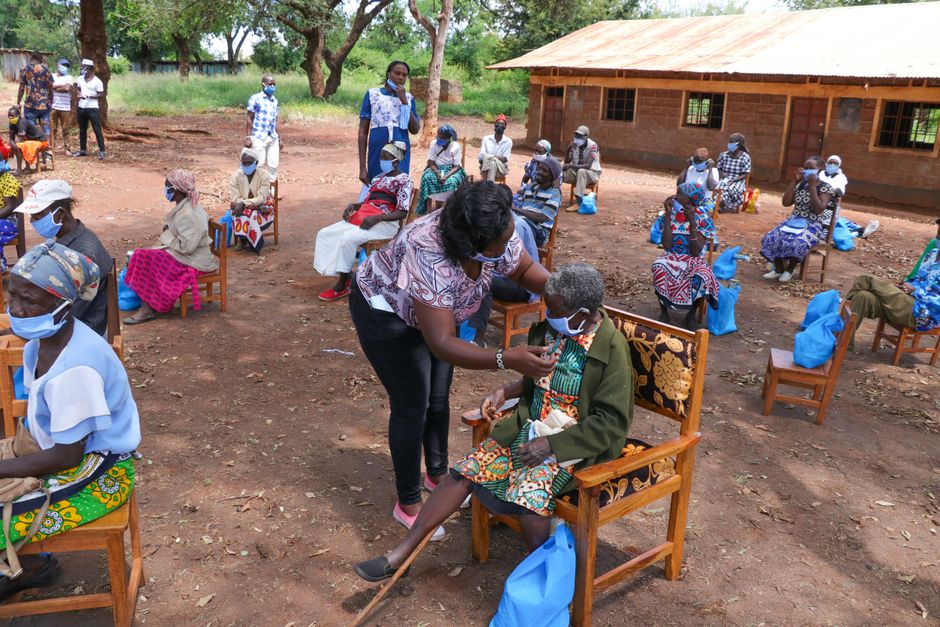
Amina lives in a remote area where the nearest hospital is two hours away. As part of the BcozSheMatters rollout, the Health Ministry sends mobile health vans equipped with tele-medicine facilities to her village. Amina receives her first-ever cervical cancer screening and a consultation with a nutritionist who helps her manage her gestational diabetes. For Amina, this campaign isn’t just about “wellness”—it’s a literal lifesaver.
Why We Need to Talk About Mental Health
One of the most refreshing aspects of the BcozSheMatters campaign is its heavy emphasis on mental well-being. For too long, women have been told to “just get on with it.” Whether it’s the hormonal shifts of adolescence, the “baby blues” that turn into something much darker, or the isolation often felt during menopause, these experiences have been marginalized.
The WHO has recognized that mental health is a fundamental human right. Under this campaign, the Health Ministry is training community health workers to recognize the signs of domestic stress and depression. By integrating mental health services into routine physical check-ups, the campaign makes it normal—and necessary—to ask, “How are you feeling?” and not just “Where does it hurt?”
Breaking Down the Barriers to Care
Why don’t women seek help? The BcozSheMatters research identified three main barriers:
- Cost: Healthcare is often an expensive “luxury” when the family budget is tight.
- Distance: Especially in rural areas, traveling to a clinic takes time and money.
- Stigma: Many women feel that focusing on themselves is “selfish.”
The campaign tackles these by introducing “Community Health Hubs”—safe spaces where women can gather, learn, and receive care without the clinical coldness of a traditional hospital.
The Economic Ripple Effect
If you aren’t moved by the human side of the story, consider the economics. When we invest in the health of women and girls, the ROI (Return on Investment) is staggering. According to various global economic forums, closing the gender health gap could add trillions of dollars to the global economy by 2040.
When a girl is healthy and nourished, she stays in school longer. When she stays in school, she marries later and has fewer, healthier children. She enters the workforce, contributes to the GDP, and the cycle of poverty is broken. The BcozSheMatters: WHO Health Ministry roll out campaign on women and girls health and well-being is, therefore, not just a health initiative; it is a powerful economic engine.
Key Takeaways from the BcozSheMatters Campaign
If you’re looking for a quick summary of what this movement stands for, here are the essential points:
- Holistic Approach: It covers physical, mental, and nutritional health across all age groups.
- Accessibility: Focuses on bringing care to the woman, whether through mobile clinics or digital apps.
- Prevention over Cure: Massive investment in screenings to catch issues before they become life-threatening.
- Education: Empowering women with the vocabulary to discuss their health needs.
- Global and Local: A partnership that uses global standards to solve local problems.
How You Can Support the Movement
You don’t have to be a doctor or a politician to make a difference. The success of the BcozSheMatters campaign depends on community engagement. Here is how you can help:
1. Share the Knowledge: Talk to the women in your life. Ask them when they last had a check-up. Share information about the campaign on your social media using the hashtag #BcozSheMatters.
2. Advocate at Work: If you are in a leadership position, ensure your company’s health insurance covers female-specific screenings and mental health support.
3. Listen Without Judgment: Create a safe space for the girls and women in your circle to talk about their health struggles, whether they are physical or emotional.
Frequently Asked Questions (FAQ)
1. Who is eligible for the services under the BcozSheMatters campaign?
The campaign is designed to be inclusive of all women and girls, regardless of age, socio-economic status, or location. While specific programs may roll out in phases, the ultimate goal is universal coverage.
2. Does this campaign only focus on reproductive health?
No. While maternal and reproductive health are important, the BcozSheMatters initiative covers non-communicable diseases (like heart disease and cancer), mental health, bone health, and nutritional well-being.
3. How can I find a BcozSheMatters clinic near me?
The Health Ministry will be releasing a digital map and a dedicated app where you can locate participating community hubs, mobile clinics, and subsidized diagnostic centers.
4. Is there a cost involved for the screenings?
Many of the primary screenings and educational workshops are provided free of charge or at a highly subsidized rate through the Health Ministry’s partnership with the WHO.
5. Why is the campaign called “BcozSheMatters”?
The name reflects a shift in mindset. It moves away from seeing women as “instruments” for family health and recognizes them as individuals whose health is intrinsically valuable. She matters—not just as a mother, wife, or daughter—but as a human being.
A Final Thought
The BcozSheMatters: WHO Health Ministry roll out campaign on women and girls health and well-being is more than just a policy shift; it’s a love letter to the women who have spent their lives looking after everyone else. It is a reminder that you cannot pour from an empty cup. By prioritizing the health of women and girls, we aren’t just helping individuals; we are strengthening the fabric of our entire world.
So, the next time you think about skipping that doctor’s appointment because you’re “too busy,” remember this campaign. Remember that your health isn’t a luxury—it’s a necessity. Because you matter. Bcoz She Matters.
Written with love and assistance and refined for quality.
🔗 Related: Why womens health needs a system…
🔗 Related: Hormonal mechanisms of womens risk in…
🔗 Related: Why womens health needs a system…