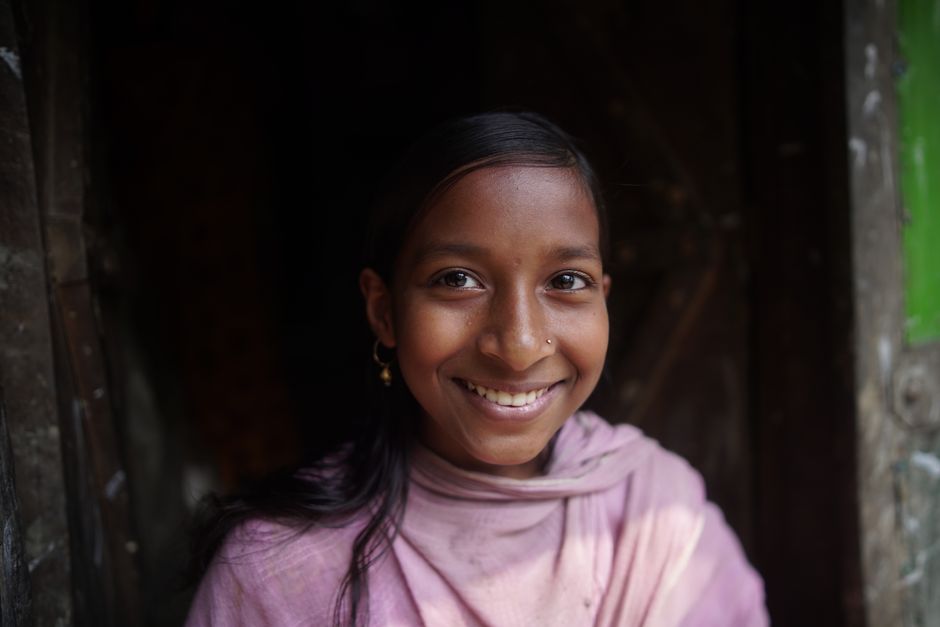
In this article, we’ll explore: BcozSheMatters: WHO Health Ministry roll out campaign on women and girls health and well-being and why it matters today.
Related:
👉 Breaking the Silence, Building a Future: How Sirona Foundation Promotes Menstrual Hygiene and Sustainable Period Care in India
👉 Closing the Gap: Why Women’s Health Needs a System Redesign to Close the Diagnostics Gap
👉 Why Stress Hits Differently: Understanding the Hormonal Mechanisms of Women’s Risk in the Face of Traumatic Stress
Imagine a world where every girl, every woman, no matter where she lives or her circumstances, has access to the healthcare she needs, the information she deserves, and the support to thrive. A world where her physical, mental, and emotional well-being isn’t an afterthought, but a priority. Sounds like a dream, right? Well, the World Health Organization (WHO), in collaboration with various Health Ministries globally, is making a powerful stride towards turning this dream into a reality with their groundbreaking new initiative: BcozSheMatters: WHO Health Ministry roll out campaign on women and girls health and well-being.
For too long, the unique health challenges faced by women and girls have been relegated to the sidelines. From reproductive health disparities to overlooked mental health struggles, from the impacts of gender-based violence to the silent battles of chronic diseases, their needs have often been generalized, underfunded, or simply ignored. But as the name of this campaign so eloquently puts it – BcozSheMatters – it’s time for a fundamental shift. It’s time to put her at the center of the conversation, to amplify her voice, and to ensure her well-being is not just a right, but a lived reality.
This isn’t just another health campaign; it’s a movement. It’s a recognition that investing in the health of women and girls isn’t just about them; it’s about the health of families, communities, and nations. Because when she thrives, everyone thrives. Let’s dive into what makes this initiative so vital, what it aims to achieve, and why it truly is a beacon of hope for a healthier, more equitable future.
Understanding the “Why”: The Urgent Need for Focus on Women and Girls’ Health
Before we celebrate the launch of BcozSheMatters, it’s crucial to understand the landscape that necessitated such a comprehensive campaign. The reality for millions of women and girls worldwide is stark. Consider a young girl in a rural village, walking miles for water, missing school, and facing early marriage, with little access to proper nutrition or basic sanitation. Or a woman in a bustling city, juggling work and family, silently battling depression, fearing the stigma of seeking help. These aren’t isolated stories; they represent systemic issues that demand our immediate attention.
Globally, women and girls face unique vulnerabilities and health risks that are often exacerbated by socio-economic factors, cultural norms, and gender inequality. For instance, maternal mortality rates, though decreasing in some areas, remain tragically high in others. Reproductive health services, including access to contraception and safe childbirth, are often inadequate or inaccessible. Mental health conditions, particularly depression and anxiety, disproportionately affect women, yet culturally, they are often encouraged to suffer in silence. Gender-based violence, a pervasive global issue, has profound and lasting impacts on physical and mental health. Furthermore, conditions like anemia, osteoporosis, and certain autoimmune diseases show higher prevalence in women, often requiring specialized care that isn’t always readily available or understood.
Beyond these, there’s the insidious ‘gender data gap’ in medical research. Historically, many medical studies have focused primarily on men, leading to a lack of understanding about how diseases manifest differently in women, how medications affect them, and what preventative strategies are most effective for their bodies. This oversight has real-world consequences, leading to misdiagnoses, delayed treatments, and less effective healthcare for women.
This isn’t about pitting genders against each other; it’s about recognizing distinct needs and ensuring equitable access to care. The “BcozSheMatters: WHO Health Ministry roll out campaign on women and girls health and well-being” is a direct response to these glaring disparities, a concerted effort to close these gaps and elevate the standard of care for half the world’s population.
Introducing BcozSheMatters: A Campaign with a Heart
At its core, BcozSheMatters is more than just a catchy slogan; it’s a declaration of intent. It signifies a global commitment, led by the WHO and implemented through national Health Ministries, to prioritize and fundamentally transform health outcomes for women and girls. The campaign is built on several foundational pillars, aiming for a holistic approach to well-being.
What are the Core Objectives?
- Strengthening Health Systems: Enhancing the capacity of healthcare systems to deliver gender-responsive services, from primary care to specialized treatments. This includes training healthcare professionals, improving infrastructure, and ensuring equitable distribution of resources.
- Promoting Reproductive, Maternal, Newborn, Child, and Adolescent Health (RMNCAH): A renewed focus on comprehensive sexual and reproductive health rights, safe motherhood, and the unique health needs of adolescents, including education and access to services.
- Addressing Non-Communicable Diseases (NCDs) and Mental Health: Recognizing that conditions like heart disease, diabetes, cancers, and mental health disorders affect women differently and require targeted prevention, early detection, and management strategies.
- Combating Gender-Based Violence (GBV): Integrating prevention, response, and support services for survivors of violence into healthcare frameworks, acknowledging its profound impact on health.
- Improving Nutrition and Food Security: Tackling malnutrition and promoting healthy eating habits, especially for pregnant women, young mothers, and adolescent girls, to break intergenerational cycles of poor health.
- Harnessing Data and Research: Closing the gender data gap, ensuring that health policies and interventions are evidence-based and tailored to the specific needs of women and girls.
The beauty of this campaign lies in its collaborative nature. It’s not a top-down mandate but a partnership between global health experts, national governments, local communities, and grassroots organizations. The “WHO Health Ministry roll out” ensures that these global objectives are translated into actionable, context-specific strategies that resonate with the real lives of women and girls in diverse settings.
What Does “Health and Well-being” Truly Mean for Women and Girls?
The term “health and well-being” is often overused, but for BcozSheMatters, it encompasses a truly comprehensive vision. It’s about moving beyond the absence of disease to a state of complete physical, mental, and social flourishing. For women and girls, this looks like:
- Physical Health: Access to regular check-ups, vaccinations, screenings for cervical and breast cancer, adequate nutrition, safe sanitation, and clean water. It means freedom from preventable diseases and timely treatment for illnesses.
- Reproductive and Sexual Health: The ability to make informed decisions about their bodies, access to family planning, safe pregnancy and childbirth, and protection from sexually transmitted infections. It’s about agency and control over their reproductive lives.
- Mental and Emotional Well-being: Support for mental health challenges, freedom from stress and anxiety, access to counseling and therapy without stigma, and environments that foster emotional resilience. It’s about feeling safe, heard, and valued.
- Social and Economic Well-being: The opportunity to pursue education, gain employment, participate in community life, and live free from discrimination and violence. It recognizes that social determinants profoundly impact health. For example, a woman with financial independence is often better able to access healthcare and make healthier choices for herself and her family.
Consider the story of Aisha, a young woman living in a remote area. Before BcozSheMatters, she might have had limited access to birth control or information about her menstrual health. Now, with the campaign’s focus on community health workers and mobile clinics, she can receive accurate information, access contraceptives, and even get screened for common health issues, all within her reach. This holistic view ensures that no aspect of a woman’s life that impacts her health is overlooked.
Real-World Impact: How BcozSheMatters Plans to Make a Difference
The power of the BcozSheMatters campaign lies in its practical, actionable strategies. It’s not just about policy; it’s about direct intervention and tangible change on the ground.
Key Initiatives and Expected Outcomes:
- Community Health Worker Programs: Training and deploying more female community health workers who can reach women and girls in remote areas, provide basic health education, facilitate referrals, and build trust within communities.
- Mobile Health Clinics: Equipping mobile units to bring essential health services, including maternal care, immunizations, and screenings, directly to underserved populations. Imagine a mobile clinic visiting villages, offering prenatal check-ups and nutritional advice to expectant mothers who previously had to travel for days.
- Digital Health Solutions: Leveraging technology for health information dissemination, telemedicine consultations, and tracking health outcomes, especially for young girls and adolescents who are often digitally connected.
- Integrated Health Services: Moving away from siloed healthcare. For example, a visit for family planning might also include a mental health check-in or screening for domestic violence, ensuring comprehensive care.
- Advocacy and Policy Reform: Working with governments to enact policies that protect women’s health rights, increase funding for gender-specific health programs, and combat harmful practices like child marriage and female genital mutilation.
- Education and Empowerment: Launching public awareness campaigns that demystify women’s health issues, challenge stigma around mental health and reproductive health, and empower women and girls with knowledge to make informed decisions.
The goal is to create resilient health systems that are not just reactive to illness but proactive in promoting well-being. By investing in these areas, the “BcozSheMatters: WHO Health Ministry roll out campaign on women and girls health and well-being” is setting the stage for a healthier generation of women and girls, who are not only surviving but thriving.
Our Role: How You Can Be Part of the Movement
While the WHO and Health Ministries are leading the charge, the success of BcozSheMatters ultimately depends on collective action. Every single one of us has a role to play, whether big or small.
- Educate Yourself and Others: Learn about the specific health challenges faced by women and girls in your community and globally. Share reliable information. Challenge misconceptions and stigmas.
- Advocate: Speak up for policies that support women’s health. Contact your local representatives. Support organizations working on these issues.
- Support: Donate to reputable charities that focus on women and girls’ health. Volunteer your time and skills if you can.
- Listen: Create safe spaces for women and girls to share their experiences and concerns. Listen without judgment and offer support.
- Promote Equality: Advocate for gender equality in all aspects of life, recognizing that equality is a fundamental determinant of health.
This campaign is a powerful reminder that the health of women and girls is not a niche issue; it’s a universal responsibility. It’s about recognizing their inherent value, their immense contributions to society, and their right to a life of health and dignity. When we say “BcozSheMatters,” we’re not just stating a fact; we’re committing to action.
Key Takeaways
- The “BcozSheMatters: WHO Health Ministry roll out campaign on women and girls health and well-being” is a critical global initiative addressing long-standing disparities in women’s health.
- The campaign adopts a holistic approach, covering physical, mental, reproductive, and social well-being.
- It aims to strengthen health systems, address specific health challenges like maternal mortality and mental health, combat gender-based violence, and improve nutrition.
- Real-world impact will come through initiatives like community health worker programs, mobile clinics, digital health solutions, and policy reforms.
- Individual involvement, through education, advocacy, and support, is crucial for the campaign’s success.
- Investing in women and girls’ health is an investment in the health and prosperity of entire communities and nations.
FAQ Section
Q1: What exactly is the “BcozSheMatters” campaign?
A1: It’s a comprehensive global health initiative spearheaded by the World Health Organization (WHO) and implemented through national Health Ministries. Its core purpose is to elevate and improve the health and well-being of women and girls worldwide, addressing their unique health challenges holistically.
Q2: Who is behind this campaign?
A2: The campaign is a collaborative effort led by the World Health Organization (WHO) in partnership with various national Health Ministries and other global and local health organizations.
Q3: What specific areas of health does BcozSheMatters cover?
A3: It covers a broad spectrum of health and well-being, including reproductive and maternal health, mental health, prevention and management of non-communicable diseases, nutrition, combating gender-based violence, and strengthening overall health systems to be more gender-responsive.
Q4: How can individuals contribute to the BcozSheMatters campaign?
A4: Individuals can contribute by educating themselves and others, advocating for women’s health rights, supporting relevant organizations through donations or volunteering, promoting gender equality, and creating supportive environments for women and girls in their communities.
Q5: Why is this campaign so important now?
A5: Despite progress, women and girls continue to face significant health disparities and unique challenges that are often overlooked. The campaign is crucial now to address these persistent inequalities, close the gender data gap in health, and ensure that health systems are truly equitable and responsive to the needs of half the world’s population.
The launch of the “BcozSheMatters: WHO Health Ministry roll out campaign on women and girls health and well-being” marks a pivotal moment in global health. It’s a resounding affirmation that her health is our collective wealth, her well-being is our shared responsibility, and her future is worth fighting for. Let’s all rally behind this vital cause and work towards a world where every woman and girl can live her healthiest, fullest life. Because, truly, she matters.
Written with love and assistance and refined for quality.
🔗 Related: Why womens health needs a system…
🔗 Related: Women with polycystic ovary syndrome exhibit…
🔗 Related: Why Am I Losing Inches But…