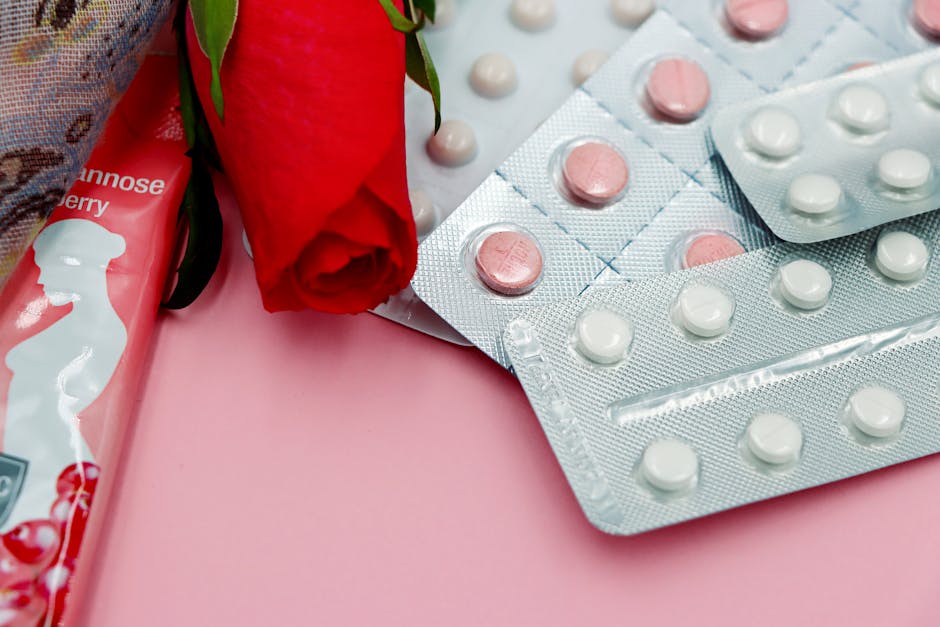
In this article, we’ll explore: Hormonal mechanisms of womens risk in the face of traumatic stress and why it matters today.
Related:
👉 The Invisible Orchestra: Unpacking the Hormonal Mechanisms of Women's Risk in the Face of Traumatic Stress
👉 Unpacking the Hormonal Blueprint: Understanding Women's Unique Risk in the Face of Traumatic Stress
👉 Unpacking the Invisible Links: How Hormonal Mechanisms Drive Women's Unique Risk in the Face of Traumatic Stress
Learn more: Hormonal mechanisms of womens risk in the face of traumatic stress on Investopedia
Life throws curveballs. Sometimes, they hit us hard, leaving an imprint that can be difficult to shake. We call these imprints “traumatic stress,” and while both men and women experience trauma, the aftermath often looks starkly different. Have you ever wondered why women are statistically twice as likely to develop Post-Traumatic Stress Disorder (PTSD) compared to men? Or why, even without a formal diagnosis, the echoes of a past trauma can feel so much more intense, persistent, or even physically debilitating for many women?
It’s not just about societal pressures or reporting differences, though those play a part. There’s a profound, intricate, and often overlooked biological symphony happening within women’s bodies that significantly influences how they process, respond to, and recover from traumatic events. We’re talking about hormones – those powerful chemical messengers that orchestrate everything from our moods to our metabolism. Understanding the **hormonal mechanisms of women’s risk in the face of traumatic stress** isn’t just academic; it’s a crucial step towards personalized, effective support and healing.
Let’s pull back the curtain and explore this fascinating, complex interplay.
The Unseen Divide: Why Trauma Impacts Women Differently
Imagine two people witness the same distressing event – say, a car accident. One is a man, the other a woman. While both might experience shock and fear, their long-term responses can diverge significantly. Women often report more severe symptoms, a longer duration of symptoms, and a higher likelihood of developing chronic conditions like anxiety, depression, and autoimmune diseases following trauma.
For a long time, the focus was primarily on psychological and social factors. And yes, women often face unique forms of trauma, like sexual assault or domestic violence, which can carry additional layers of complexity and shame. But increasingly, science is pointing to something deeper, something foundational: our biology. Specifically, the powerful influence of sex hormones.
A Deep Dive into the Hormonal Orchestra
Think of your body as an orchestra, and hormones as the various sections – strings, woodwinds, brass. When trauma strikes, it’s like a sudden, jarring chord that throws the entire ensemble into disarray. For women, the composition of their hormonal orchestra is inherently different, leading to a unique, and sometimes more vulnerable, response.
Estrogen: The Double-Edged Sword
Estrogen is often thought of as the quintessential “female hormone,” and it plays a critical role in reproductive health. But its influence extends far beyond that, deeply affecting the brain and our stress response.
* **The Good:** Estrogen can actually be quite protective. It helps regulate mood, promotes brain cell growth, and enhances the function of neurotransmitters like serotonin and dopamine, which are key to feelings of well-being. During times of moderate stress, estrogen can help buffer the impact, keeping our stress response from spiraling out of control. It’s like having a built-in shock absorber.
* **The Challenge:** The issue isn’t estrogen itself, but its *fluctuations*. Unlike men, whose hormone levels are relatively stable, women experience dramatic shifts in estrogen throughout their menstrual cycle, pregnancy, and menopause. When estrogen levels are low – such as during the luteal phase (the week before your period), postpartum, or during perimenopause/menopause – this protective effect diminishes.
Imagine Sarah, a woman who experiences a traumatic event like a home invasion. If this happens during a period of low estrogen, her brain might be less equipped to modulate the fear response, leading to a more entrenched sense of dread and hypervigilance. Her “shock absorber” is deflated, leaving her more exposed to the psychological impact.
Progesterone: The Calming (or Not-So-Calming) Counterpart
Progesterone is another key female hormone, often working in tandem with estrogen. It’s known for its calming effects, helping to reduce anxiety and promote sleep. It does this by interacting with GABA receptors in the brain, which are responsible for inhibitory (calming) signals.
* **The Good:** Adequate progesterone can be a powerful ally against stress, helping us feel more grounded and less anxious.
* **The Challenge:** Similar to estrogen, progesterone levels fluctuate. After ovulation, progesterone rises, often contributing to a sense of calm. However, if progesterone levels drop sharply, as they do right before menstruation or postpartum, this calming effect is lost. This sudden withdrawal can leave women feeling more irritable, anxious, and vulnerable to stress.
Consider Maria, a new mother struggling with postpartum anxiety after a difficult birth. The massive drop in progesterone after childbirth, combined with the trauma of the birth itself, can leave her feeling overwhelmed, exhausted, and unable to calm her racing thoughts – a perfect storm for a heightened trauma response.
Cortisol: The Stress Maestro (and Its Gendered Dance)
Cortisol is the body’s primary stress hormone, released by the adrenal glands as part of the “fight or flight” response. It’s essential for survival, giving us the energy and focus to deal with immediate threats. The system that controls cortisol release is called the Hypothalamic-Pituitary-Adrenal (HPA) axis.
* **The Gender Difference:** While both men and women release cortisol, research suggests that women’s HPA axis can be more reactive and slower to “turn off” after a stressful event. This means that after the initial threat is gone, women might experience prolonged elevated cortisol levels, leading to chronic stress symptoms.
* **The Estrogen Connection:** Estrogen can influence the sensitivity of the HPA axis. When estrogen levels are low, the HPA axis might become overactive, leading to an exaggerated and prolonged cortisol response.
Think of it like this: A man might experience a spike in cortisol, deal with the threat, and then his system quickly returns to baseline. A woman, however, might experience a similar spike, but her system takes much longer to calm down, keeping her in a state of high alert for hours, days, or even weeks. This prolonged exposure to high cortisol can wear down the body and brain, making it harder to recover from trauma.
Oxytocin: The Bonding Hormone with a Twist
Oxytocin is often called the “love hormone” or “bonding hormone” because it’s released during social interaction, intimacy, and childbirth, fostering feelings of connection and trust. It also plays a role in reducing stress.
* **The Paradox:** While oxytocin can be a powerful buffer against stress, its release can be complicated by trauma. For women, who often have higher baseline levels of oxytocin and are generally more attuned to social cues, trauma can disrupt this delicate balance. If a trauma involves betrayal or interpersonal violence, the very system designed for bonding can become dysregulated, leading to difficulties in trusting others or forming healthy attachments.
* **The Aftermath:** A woman who has experienced interpersonal trauma might struggle with social withdrawal, hyper-vigilance in relationships, or even feel overwhelmed by social interaction, even though oxytocin is meant to be calming. This can make seeking and accepting social support – a vital component of trauma recovery – incredibly challenging.
The Menstrual Cycle, Pregnancy, and Menopause: Hormonal Rollercoasters and Trauma Vulnerability
These major life stages for women are defined by dramatic hormonal shifts, each presenting a unique landscape for the experience of traumatic stress.
The Monthly Rhythm: How Cycle Phases Matter
As we touched on with estrogen and progesterone, the different phases of the menstrual cycle can influence a woman’s vulnerability.
* **Follicular Phase (before ovulation):** Generally higher estrogen, which can be somewhat protective.
* **Luteal Phase (after ovulation, before period):** Estrogen drops, progesterone rises and then drops. This phase, especially the premenstrual week, can be a time of increased anxiety, irritability, and heightened stress response due to fluctuating and then declining hormone levels. For a woman with a history of trauma, this phase might bring a resurgence of symptoms or make her more susceptible to triggers.
Pregnancy and Postpartum: A Unique Window of Vulnerability
Pregnancy is a symphony of hormonal changes, designed to support fetal development. Postpartum, the sudden drop in hormones (especially estrogen and progesterone) is one of the most drastic hormonal shifts a woman will ever experience.
* **Increased Risk:** This period of intense hormonal flux, combined with sleep deprivation, physical recovery, and the immense demands of new motherhood, can significantly increase a woman’s vulnerability to developing or exacerbating trauma-related symptoms, including postpartum PTSD (often following a traumatic birth).
Menopause: A Time of Transition and Potential Challenge
As women enter perimenopause and then menopause, estrogen levels steadily decline. This can impact brain function, mood regulation, and the stress response.
* **Less Resilience:** For some women, the declining estrogen can lead to increased anxiety, depression, and a reduced capacity to cope with stress. If a woman experiences trauma during this life stage, or if past trauma symptoms resurface, the hormonal landscape can make recovery more challenging.
Beyond Hormones: Intersections with Other Factors
While hormones play a pivotal role, it’s crucial to remember they are not the *only* factor. The **hormonal mechanisms of women’s risk in the face of traumatic stress** operate within a broader context, interacting with:
* **Genetics:** Some individuals are genetically predisposed to a more sensitive stress response.
* **Epigenetics:** Early life experiences and trauma can “switch on” or “switch off” genes, influencing how we respond to stress later in life.
* **Past Trauma:** A history of previous trauma can sensitize the brain and body, making future traumatic events more impactful.
* **Social Support:** The presence or absence of a strong support system significantly influences recovery.
* **Socioeconomic Factors:** Poverty, discrimination, and lack of resources can exacerbate the impact of trauma.
Key Takeaways
* Women are biologically predisposed to a different, often more intense, response to traumatic stress due to their unique hormonal profiles.
* Estrogen, progesterone, cortisol, and oxytocin all play critical roles in modulating the stress response, and their fluctuations in women can create periods of increased vulnerability.
* Major life stages like the menstrual cycle, pregnancy/postpartum, and menopause are marked by significant hormonal shifts that can impact how women experience and recover from trauma.
* Understanding these hormonal mechanisms is vital for developing personalized and effective trauma recovery strategies for women.
* Hormones are part of a larger picture, interacting with genetic, environmental, and social factors.
FAQ Section
Q: Why are women more prone to PTSD than men?
A: While societal factors, types of trauma experienced, and reporting biases play a role, significant biological differences contribute. Women’s unique hormonal fluctuations (estrogen, progesterone, cortisol) can lead to a more reactive and prolonged stress response, making them more vulnerable to developing PTSD after trauma.
Q: Can hormone therapy help with trauma recovery?
A: This is an active area of research. Some studies suggest that balancing hormones, particularly estrogen and progesterone, might help alleviate some trauma-related symptoms for certain women, especially during periods like perimenopause or postpartum. However, it’s not a standalone cure and should always be discussed with a qualified healthcare professional who understands your full medical history and trauma background.
Q: What can women do to support their hormonal health after trauma?
A: Supporting overall health can indirectly help hormonal balance. This includes:
- **Stress Management:** Techniques like mindfulness, yoga, meditation, and deep breathing can help regulate the HPA axis.
- **Nutritious Diet:** Eating a balanced diet rich in whole foods, healthy fats, and adequate protein supports hormone production and regulation.
- **Regular Exercise:** Helps reduce stress hormones and improve mood.
- **Adequate Sleep:** Crucial for hormonal balance and brain health.
- **Building Support Systems:** Healthy social connections can promote oxytocin release and reduce feelings of isolation.
- **Therapy:** Trauma-informed therapy (e.g., EMDR, CBT) is essential for processing the psychological aspects of trauma.
Q: Does this mean women are “weaker” in the face of trauma?
A: Absolutely not! Understanding these biological differences highlights the unique challenges women face, not a weakness. It emphasizes the incredible resilience women demonstrate daily and underscores the need for tailored support and understanding, rather than a one-size-fits-all approach to trauma recovery.
Moving Forward with Understanding and Empathy
The journey of healing from trauma is profoundly personal, yet understanding the intricate **hormonal mechanisms of women’s risk in the face of traumatic stress** offers a powerful lens through which to view and address this challenge. It moves us beyond simply acknowledging differences to truly understanding *why* those differences exist, paving the way for more compassionate, effective, and individualized care.
For women navigating the aftermath of trauma, knowing that your body’s unique biology might be contributing to your struggles can be validating. It’s not “all in your head”; it’s a complex interplay of mind and body. For healthcare providers, this knowledge is a call to action – to consider the full hormonal picture when treating women for trauma-related conditions. By embracing this nuanced understanding, we can empower women to not just survive, but truly thrive beyond their experiences.
Written with love and assistance and refined for quality.
{“@context”:”https://schema.org”,”@type”:”Article”,”headline”:”Unraveling the Silent Story: How Hormones Shape Women’s Vulnerability to Traumatic Stress”,”description”:”In this article, weu2019ll explore: Hormonal mechanisms of womens risk in the face of traumatic stress and why it matters…”,”author”:{“@type”:”Person”,”name”:”rahuljait”},”datePublished”:”2026-05-10T23:58:03+00:00″,”dateModified”:”2026-05-10T23:58:03+00:00″,”mainEntityOfPage”:”https://healthyworldz.com/unraveling-the-silent-story-how-hormones-shape-womens-vulnerability-to-traumatic-stress-2/”,”image”:[“https://healthyworldz.com/wp-content/uploads/2026/05/hormonal-mechanisms-of-womens-risk-in-the-face-of-traumatic-stress-46.jpg”]}
🔗 Related: Hormonal mechanisms of womens risk in…
🔗 Related: Hormonal mechanisms of womens risk in…
🔗 Related: Hormonal mechanisms of womens risk in…