In this article, we’ll explore: BcozSheMatters: WHO Health Ministry roll out campaign on women and girls health and well-being and why it matters today.
Related:
👉 Why Getting Pregnant with PCOS Can Be So Challenging: The Science of the "Sticky" Uterine Lining
👉 Why Her Brain Remembers Differently: Understanding the Hormonal Mechanisms of Women’s Risk in the Face of Traumatic Stress
👉 The Invisible Patient: Why Women’s Health Needs a System Redesign to Close the Diagnostics Gap
Learn more: BcozSheMatters: WHO Health Ministry roll out campaign on women and girls health and well-being on Wikipedia
Imagine a typical morning in a busy household. A mother is the first one up, packing lunches, finding lost socks, and making sure everyone is out the door on time. She is the glue that holds the family together. But if you ask her when she last saw a doctor for a check-up—not for her kids, but for herself—she might just give you a tired smile and say, “I’ll get to it eventually.”
This “eventually” is what the World Health Organization (WHO) and various Health Ministries are trying to change. For too long, the health of women and girls has been treated as a secondary priority or limited strictly to maternal care. But a woman is more than just a mother or a caregiver. She is an individual whose well-being affects the entire fabric of society.
This is why the launch of the BcozSheMatters: WHO Health Ministry roll out campaign on women and girls health and well-being is such a monumental step forward. It isn’t just another government initiative; it’s a movement to reclaim the narrative around female health at every stage of life.
What is the BcozSheMatters Campaign All About?
At its core, the BcozSheMatters campaign is a global and local call to action. It recognizes that women face unique health challenges that are often overlooked due to cultural taboos, lack of resources, or systemic bias. Whether it’s a young girl in a rural village navigating her first period or a professional woman in a city dealing with chronic stress and hormonal changes, the campaign aims to provide a safety net of information and medical support.
The collaboration between the WHO and the Health Ministry ensures that this isn’t just about posters and social media ads. It’s about policy changes, better funding for women’s clinics, and training healthcare workers to listen—really listen—to female patients.
The Four Pillars of the Campaign
- Preventative Care: Moving from “treating sickness” to “maintaining wellness” through regular screenings for cervical cancer, breast health, and heart disease.
- Mental Health Support: Breaking the stigma around postpartum depression, anxiety, and the unique stressors women face in the modern workforce.
- Nutritional Security: Ensuring girls and women have access to the right vitamins and minerals to prevent anemia and bone density issues.
- Menstrual Dignity: Providing access to sanitary products and education to ensure that a natural biological process never stops a girl from going to school.
Real Stories: Why This Campaign is Personal
To understand why the “BcozSheMatters: WHO Health Ministry roll out campaign on women and girls health and well-being” is so vital, we have to look at the real-world impact. Take the story of Anjali, a 34-year-old teacher. For years, Anjali suffered from heavy periods and extreme fatigue. She thought it was just part of being a woman. It wasn’t until a local health drive—inspired by the BcozSheMatters framework—reached her village that she was diagnosed with severe anemia and fibroids.
With simple treatment and nutritional guidance, Anjali regained her energy. “I didn’t realize how much I was missing out on,” she said. “I thought being tired was my ‘normal.’ Now I know that I deserve to feel good.”
Then there’s Sarah, a high-achieving corporate lawyer. She struggled with “brain fog” and anxiety as she entered her late 40s. She felt embarrassed to talk about it, fearing people would think she couldn’t handle her job. Through the campaign’s mental health resources, she learned about perimenopause and found a community of women going through the same thing. Today, she’s an advocate for menopause-friendly workplaces.
Breaking the Taboos Around Women’s Health
One of the biggest hurdles the WHO and Health Ministry face is silence. In many cultures, discussing menstruation, reproductive health, or even menopause is considered “improper.” This silence is dangerous. It leads to late diagnoses and preventable complications.
The BcozSheMatters campaign uses “Community Champions”—local leaders, teachers, and even celebrities—to start these conversations. By normalizing these topics, the campaign encourages girls to ask questions and women to seek help without shame.
Education is the Best Medicine
The campaign isn’t just targeting women; it’s targeting men and boys too. When fathers understand the importance of their daughters’ nutrition and husbands support their wives’ mental health, the entire community thrives. The Health Ministry is rolling out educational modules in schools to ensure that the next generation grows up with a healthy, respectful view of female biology and wellness.
A Holistic Approach: More Than Just Reproductive Health
For decades, “women’s health” was often shorthand for “pregnancy and childbirth.” While maternal health is incredibly important, the BcozSheMatters campaign expands the horizon. It looks at the woman as a whole person throughout her entire lifespan.
1. Adolescent Health
The campaign focuses heavily on the “first window of opportunity.” By ensuring young girls have access to HPV vaccines and proper nutrition, we can prevent life-threatening diseases decades down the line. It’s about setting a foundation of health that lasts a lifetime.
2. The “Sandwich Generation” and Stress
Many women today find themselves caring for young children and aging parents simultaneously. This “sandwich” effect leads to high levels of cortisol and physical exhaustion. The WHO is working with Health Ministries to create community support groups and accessible mental health hotlines specifically for women in this high-stress phase of life.
3. Aging with Grace and Strength
Post-menopausal health is another critical focus. Osteoporosis and cardiovascular diseases often spike after menopause. The campaign provides guidelines for bone health and heart check-ups, ensuring that women don’t just live longer, but live better, more active lives in their later years.
How the Health Ministry is Implementing the Change
You might wonder, “How does a campaign actually change things on the ground?” The BcozSheMatters: WHO Health Ministry roll out campaign on women and girls health and well-being uses a multi-pronged approach:
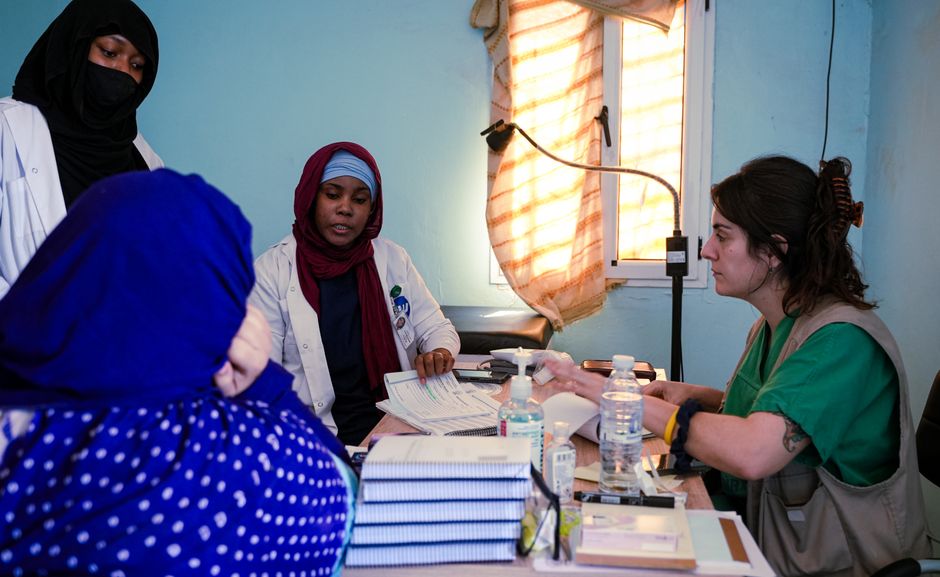
- Mobile Health Vans: Bringing screenings and doctors to remote areas where women might not have the means to travel to a city hospital.
- Digital Health Portals: An easy-to-use app where women can track their symptoms, book appointments, and get verified medical advice in their local language.
- Subsidized Screenings: Making sure that things like mammograms and pap smears are affordable or free for those in lower-income brackets.
- Healthcare Worker Sensitivity Training: Ensuring that when a woman walks into a clinic, she is met with empathy and respect, not dismissal.
Key Takeaways from the BcozSheMatters Campaign
- Health is a Right, Not a Luxury: Every woman and girl deserves access to quality healthcare regardless of her economic status.
- Early Detection Saves Lives: Regular check-ups for non-communicable diseases (like cancer and diabetes) are a core focus of the campaign.
- Mental Health is Physical Health: There is no health without mental well-being. Addressing stress, anxiety, and depression is non-negotiable.
- Community Involvement: Change happens fastest when we talk openly and support the women in our lives.
Conclusion: A Future Where She Matters
The BcozSheMatters: WHO Health Ministry roll out campaign on women and girls health and well-being is a beacon of hope. It reminds us that when we invest in a woman’s health, we are investing in a family, a community, and a nation. When a mother is healthy, her children are more likely to stay in school. When a female entrepreneur is well, her business contributes to the economy. When a young girl is supported, she grows up to be a leader.
But this campaign isn’t just for the WHO or the government to handle. It starts with us. It starts with a husband asking his wife, “How are you really feeling?” It starts with a mother teaching her daughter that her body is a temple, not something to be ashamed of. It starts with every woman deciding that she is worth the time it takes to see a doctor.
Let’s move beyond the “eventually” and make health a priority today. Because she matters. Every single one of her.
Frequently Asked Questions (FAQ)
1. What is the main goal of the BcozSheMatters campaign?
The main goal is to improve the overall health and well-being of women and girls by providing better access to healthcare, breaking cultural taboos, and focusing on preventative care beyond just reproductive health.
2. Who is involved in this campaign?
The campaign is a collaborative effort between the World Health Organization (WHO) and national Health Ministries, often supported by local NGOs and community leaders.
3. Does the campaign cover mental health?
Yes, mental health is a major pillar. The campaign aims to provide resources for postpartum depression, anxiety, and stress-related issues that uniquely affect women.
4. How can I access the services provided by this campaign?
You can check with your local government health department or visit the official WHO website for your region to find participating clinics, mobile health units, and digital resources.
5. Is the campaign only for women in rural areas?
Not at all. While there is a strong focus on reaching underserved rural communities, the campaign also addresses the health challenges faced by women in urban environments, such as lifestyle diseases and workplace stress.
6. How can men support the BcozSheMatters initiative?
Men can play a crucial role by encouraging the women in their lives to go for regular check-ups, helping to share household responsibilities to reduce stress, and educating themselves on women’s health issues to foster a supportive environment.
Written with love and assistance and refined for quality.
🔗 Related: Why Am I Losing Inches But…
🔗 Related: Hormonal mechanisms of womens risk in…