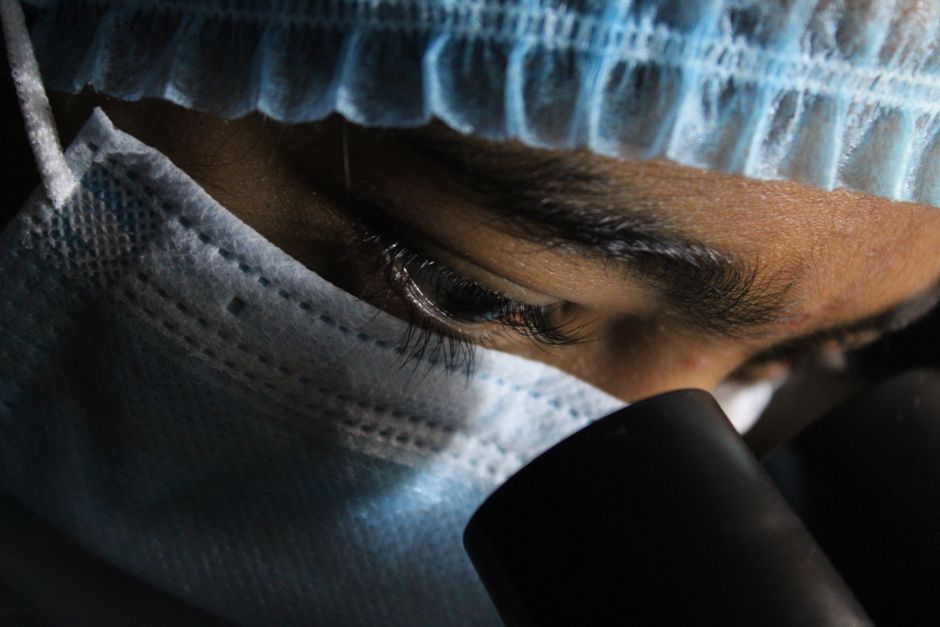
In this article, we’ll explore: BcozSheMatters: WHO Health Ministry roll out campaign on women and girls health and well-being and why it matters today.
Related:
👉 Period Poverty: A Global Menstrual Health Crisis and the Fight for Basic Dignity
👉 BcozSheMatters: Why the New WHO and Health Ministry Campaign is a Game-Changer for Women and Girls
👉 PCOS and Pregnancy: Why New Research into Histone Lactylation and ER Changes Everything
Imagine a world where every woman, regardless of where she lives or how much she earns, has the right to feel healthy, safe, and supported. For too long, women’s health has been treated as a “niche” topic—something discussed in hushed tones or relegated to a single chapter in a medical textbook. But things are changing. The recent announcement of the BcozSheMatters: WHO Health Ministry roll out campaign on women and girls health and well-being marks a pivotal shift in how we approach global health.
This isn’t just another government initiative with a fancy acronym. It is a heartfelt, strategic movement designed to put the needs of women and girls exactly where they belong: at the center of the global health agenda. In this post, we’re going to dive deep into what this campaign really means, why it’s happening now, and how it’s going to change lives on the ground.
The Heart of the Movement: What is BcozSheMatters?
At its core, the BcozSheMatters campaign is a collaborative effort between the World Health Organization (WHO) and regional Health Ministries. The name itself says it all. It’s a reminder that a woman’s health isn’t just a personal matter; it’s a societal foundation. When a woman is healthy, her family thrives, her community prospers, and the economy grows.
For years, healthcare systems have often overlooked the specific biological and social needs of women. From maternal health to the unique ways heart disease presents in females, there has been a “gender gap” in medicine. The BcozSheMatters: WHO Health Ministry roll out campaign on women and girls health and well-being aims to bridge that gap by focusing on three main pillars: accessibility, education, and holistic well-being.
Breaking the Silence on Taboo Topics
One of the most refreshing aspects of this campaign is its willingness to talk about the things people usually avoid. We’re talking about menstrual hygiene, menopause, and reproductive rights. By bringing these topics into the mainstream, the campaign helps strip away the stigma that often prevents girls from attending school or women from seeking medical help.
Why This Campaign is Needed Right Now
You might be wondering, “Why now?” The truth is, the global health landscape has changed drastically over the last few years. The pandemic hit women particularly hard—not just in terms of the virus itself, but because of the disruption to routine screenings, prenatal care, and mental health support.
Let’s look at a real-world example. Meet Sarah. Sarah is a 34-year-old mother of two living in a suburban neighborhood. During the height of the pandemic, she skipped her annual wellness checkup because she was busy homeschooling her kids and working from home. What she thought was just “stress fatigue” turned out to be an underlying thyroid issue that went undiagnosed for a year. Sarah’s story is common. Millions of women put their own health on the back burner to care for others.
The BcozSheMatters: WHO Health Ministry roll out campaign on women and girls health and well-being is a call to action for women like Sarah to reclaim their health. It’s a reminder that self-care isn’t selfish; it’s essential.
Key Focus Areas of the Campaign
The WHO and Health Ministries aren’t just throwing money at the problem; they are targeting specific areas that have the highest impact on a woman’s quality of life. Here is a breakdown of the primary focus areas:
- Maternal and Neonatal Health: Reducing mortality rates by ensuring every mother has access to skilled birth attendants and emergency obstetric care.
- Preventative Screenings: Increasing the availability of screenings for cervical and breast cancer, which are often treatable if caught early.
- Mental Health and Emotional Well-being: Addressing the high rates of anxiety and depression among women, often exacerbated by societal pressures and domestic roles.
- Nutrition and Lifestyle: Educating girls from a young age about the importance of balanced nutrition to prevent anemia and bone density issues later in life.
- Digital Health Literacy: Using technology to provide women in remote areas with telehealth consultations and health tracking apps.
The Power of Storytelling: A Tale of Two Generations
To understand the potential impact of the BcozSheMatters campaign, let’s look at the story of Anjali and her daughter, Priya. Anjali grew up in a rural village where “women’s problems” were never discussed. When she suffered from chronic pelvic pain, she was told it was just “part of being a woman.” She suffered in silence for decades.
Fast forward to today. Because of the BcozSheMatters: WHO Health Ministry roll out campaign on women and girls health and well-being, a mobile health clinic visited Priya’s school. Priya learned about reproductive health and the importance of speaking up about physical discomfort. When Priya noticed a persistent health issue, she didn’t hide it. She went to the clinic, received a diagnosis, and was treated within a week. That is the power of education and access. It breaks the cycle of silent suffering.
The Role of Men and Boys
An interesting twist in this campaign is the involvement of men and boys. The WHO recognizes that for women’s health to improve, the men in their lives—fathers, husbands, and brothers—need to be allies. By educating men about the importance of women’s health, the campaign fosters a supportive environment where health is a shared family priority rather than a hidden struggle.
How the Campaign is Being Rolled Out
The rollout is happening in phases, starting with regions that have the highest health disparities. Health Ministries are working with local “Health Ambassadors”—trusted community leaders, teachers, and local doctors—to spread the word. This “boots on the ground” approach ensures that the message resonates with local cultures and traditions.
Moreover, the campaign is leveraging social media. Using the hashtag #BcozSheMatters, the WHO is encouraging women to share their health journeys. This creates a global community of support, making women feel less alone in their struggles.
The Economic Impact: Why Investing in Women is Smart
If the human element isn’t enough to convince everyone, the economic argument certainly should be. Data consistently shows that when women are healthy, they are more likely to participate in the workforce. A healthy woman can invest more in her children’s education, creating a “multiplier effect” that lifts entire families out of poverty.
By investing in the BcozSheMatters: WHO Health Ministry roll out campaign on women and girls health and well-being, governments are essentially investing in their own future stability and prosperity. It’s not just a “good” thing to do; it’s the economically sensible thing to do.
Key Takeaways from the BcozSheMatters Campaign
- Holistic Approach: It’s not just about physical health; mental and emotional well-being are equally prioritized.
- Universal Access: The goal is to reach the “last mile”—women in the most remote areas who have historically been left behind.
- Empowerment through Knowledge: Education is the primary tool to help girls and women make informed decisions about their bodies.
- Policy Integration: This isn’t a temporary project; it’s about changing long-term health policies at the ministerial level.
- Community Driven: Success relies on local leaders and influencers to drive the message home.
Challenges and the Path Forward
Of course, no campaign is without its hurdles. Funding, logistical issues in rural areas, and deep-seated cultural barriers are significant challenges. However, the partnership between the WHO and national Health Ministries provides a level of authority and resources that previous independent projects lacked.
The path forward requires consistency. It’s one thing to launch a campaign with a big announcement; it’s another to ensure that three years from now, a clinic in a remote village still has the supplies and staff it needs. The BcozSheMatters initiative includes a robust monitoring and evaluation framework to ensure that the promises made today are kept tomorrow.
Conclusion: A New Era for Women’s Health
The BcozSheMatters: WHO Health Ministry roll out campaign on women and girls health and well-being is more than just a headline. It is a testament to the fact that the world is finally waking up to the importance of half its population. It’s about dignity, equality, and the simple truth that every girl deserves a healthy start and every woman deserves a healthy life.
As this campaign rolls out in your region, take a moment to engage with it. Whether it’s attending a local health seminar, sharing information with a friend, or simply making that doctor’s appointment you’ve been putting off—remember that you matter. We all matter. And because she matters, the world gets a little bit brighter, one healthy woman at a time.
Frequently Asked Questions (FAQ)
1. Who can participate in the BcozSheMatters campaign?
The campaign is designed for women and girls of all ages, but it also encourages men, healthcare providers, and community leaders to participate as allies and advocates for women’s health.
2. How will the campaign reach women in rural areas?
The WHO and Health Ministries are deploying mobile health clinics, training local community health workers, and using radio and SMS-based education to reach areas with limited internet or hospital access.
3. Does the campaign focus on specific diseases?
While it covers overall well-being, there is a strong focus on maternal health, reproductive health, cervical cancer prevention, and mental health support.
4. How can I support the BcozSheMatters initiative?
You can support it by spreading awareness on social media, participating in local health drives, and advocating for women’s health policies in your own community or workplace.
5. Is this a permanent program?
The campaign is designed to spark long-term policy changes within Health Ministries, meaning the goal is to integrate these focus areas into the permanent national healthcare infrastructure.
Written with love and assistance and refined for quality.
🔗 Related: BcozSheMatters: WHO Health Ministry roll out…
🔗 Related: Why Am I Not Losing Weight…
🔗 Related: Period poverty: A global menstrual health…