In this article, we’ll explore: Period poverty: A global menstrual health crisis and why it matters today.
Related:
👉 Why Every Woman Should Care About the New #BcozSheMatters Health Initiative
👉 Why the BcozSheMatters WHO Health Ministry Campaign is a Game-Changer for Women and Girls Everywhere
👉 Period Poverty: A Global Menstrual Health Crisis and the Fight for Basic Dignity
Learn more: Period poverty: A global menstrual health crisis on Google Search
Imagine for a second that every month, for about five days, you had to put your life on hold. You couldn’t go to school, you couldn’t go to work, and you felt a deep sense of shame for something your body does naturally. For millions of women, girls, and people who menstruate around the world, this isn’t a “what if” scenario. It is their monthly reality.
We often talk about healthcare in terms of vaccines, heart health, or nutrition. But there is a silent emergency unfolding in every corner of the globe, from rural villages in Kenya to the bustling streets of New York City. It’s called period poverty, and it’s time we treated it like the emergency it is.
In this post, we are going to dive deep into period poverty: a global menstrual health crisis. We’ll look at what it really means, who it affects, and how we can finally break the cycle of silence and shame.
What Exactly is Period Poverty?
When people hear the term “period poverty,” they often think it just means not being able to afford pads or tampons. While that is a huge part of it, the issue is actually much broader. Period poverty is the lack of access to sanitary products, menstrual hygiene education, toilets, water management, and waste disposal.
It is a complex intersection of economic hardship, lack of infrastructure, and social stigma. It’s not just about the “stuff”—it’s about the dignity and safety required to manage a biological process that half the population experiences for a large portion of their lives.
The Three Pillars of Period Poverty
- Affordability: The high cost of menstrual products (often inflated by the “Tampon Tax”).
- Infrastructure: Lack of clean water and private toilets to change and wash.
- Education: A lack of knowledge about how menstruation works, leading to fear and mismanagement.
The Human Face of the Crisis: Real-World Examples
To understand the weight of this issue, we have to look at the stories behind the statistics. Period poverty doesn’t look the same everywhere, but the pain it causes is universal.
Take the story of Amara, a 14-year-old girl in rural Ethiopia. When her period starts, she doesn’t have access to pads. Instead, she uses old rags or even dried leaves. Because her school doesn’t have a private bathroom with running water, she stays home for a full week every month. By the end of the year, she has missed nearly two months of school. Eventually, she falls so far behind that she drops out entirely. This isn’t just a health issue; it’s a thief of potential.
Now, let’s look at a different setting. Meet Sarah, a college student in London. Between rising rent and the cost of groceries, Sarah often has to choose between buying a meal or buying a box of tampons. She frequently “stretches” the use of a single pad for an entire day, far longer than is safe, just to make her supply last. This puts her at risk for severe infections and even Toxic Shock Syndrome (TSS).
These stories prove that period poverty: a global menstrual health crisis is not confined to developing nations. It is a systemic failure that exists in “wealthy” countries just as much as it does in impoverished ones.
The Economic Impact: Why Period Poverty Hurts Everyone
You might wonder why period poverty is a “global crisis” rather than just a personal struggle. The truth is, when women and girls are held back, the entire economy suffers.
When a girl drops out of school because of her period, her lifetime earning potential plummets. When a woman misses work because she cannot manage her menstruation with dignity, her productivity drops, and her family’s financial stability is threatened. According to the World Bank, the economic empowerment of women is one of the most effective ways to reduce global poverty. We cannot achieve that empowerment if we don’t address menstrual health.
The “Pink Tax” and Financial Barriers
In many parts of the world, menstrual products are taxed as “luxury items” rather than essential healthcare goods. Meanwhile, items like Viagra or certain snacks are often tax-exempt. This “Pink Tax” makes an already expensive necessity even harder to reach for those living on the margins.
The Health Risks of “Making Do”
When someone cannot afford proper menstrual products, they are forced to improvise. The alternatives people use are often heartbreaking and dangerous. Common substitutes include:
- Old rags or clothing
- Newspaper or cardboard
- Sawdust or sand wrapped in cloth
- Dried leaves or husks
Using these materials can lead to severe reproductive and urinary tract infections (UTIs). In some cases, the physical damage can lead to long-term fertility issues. Furthermore, the practice of “over-wearing” a tampon or pad because of a limited supply increases the risk of life-threatening bacterial infections. Period poverty isn’t just uncomfortable; it’s dangerous.
Breaking the Stigma: The Power of Conversation
Perhaps the biggest hurdle in solving this crisis is the silence surrounding it. In many cultures, menstruation is still seen as “dirty” or “shameful.” In some regions, menstruating women are forbidden from entering the kitchen, touching certain foods, or attending religious services.
This stigma prevents people from asking for help. It prevents parents from talking to their daughters about their bodies. It even prevents politicians from passing laws that would make pads more accessible. We cannot fix a problem that we are too embarrassed to talk about.
How Education Changes the Game
When we teach everyone—including boys and men—about menstrual health, the stigma begins to dissolve. Education transforms a “shameful secret” into a normal biological function. In schools where menstrual health education is prioritized, bullying decreases, and girls feel more confident staying in class.
What is Being Done? Signs of Hope
While the situation is dire, there is a growing movement to end period poverty: a global menstrual health crisis. We are seeing incredible progress in various parts of the world:
- Scotland: In 2020, Scotland became the first country in the world to make period products free for everyone who needs them. This landmark legislation set a gold standard for the rest of the world.
- Kenya: The Kenyan government has made significant strides in distributing free sanitary pads to schoolgirls in rural areas and has abolished the tax on imported menstrual products.
- Grassroots Movements: Organizations like “Period.org” and “The Pad Project” are working tirelessly to install pad-making machines in villages and donate supplies to shelters in major cities.
How You Can Help Make a Difference
You don’t have to be a billionaire or a politician to help end period poverty. Change starts with small, intentional actions.
1. Donate Products
The next time you’re at the store, buy an extra box of pads or tampons and donate them to your local food bank or homeless shelter. These are often the most requested but least donated items.
2. Support Policy Change
Write to your local representatives. Ask them to support legislation that eliminates the “Tampon Tax” or provides free products in public schools and government buildings.
3. Talk About It
Normalize the conversation. The more we talk about menstruation as a standard health issue, the less power the stigma has. Stop using code words like “Aunt Flo” or “that time of the month.” Just call it what it is: a period.
Key Takeaways
- Period poverty is a lack of access to products, education, and proper sanitation.
- It affects millions of people globally, regardless of their country’s wealth.
- It is a major barrier to education and economic growth.
- Using unsafe alternatives to pads leads to serious health risks and infections.
- Ending the stigma through education is the first step toward a solution.
Frequently Asked Questions
Is period poverty only a problem in developing countries?
No. Period poverty is a global issue. For example, studies in the United States have shown that nearly 1 in 4 students struggle to afford period products. It is a crisis of poverty and inequality that exists everywhere.
What is the “Tampon Tax”?
The Tampon Tax refers to the sales tax applied to menstrual products because they are categorized as non-essential or luxury goods. Many advocates are fighting to have these products reclassified as essential medical necessities to make them tax-free.
How does period poverty affect mental health?
The inability to manage a period with dignity leads to high levels of anxiety, shame, and depression. It can make individuals feel isolated and “less than,” which has a long-term impact on their self-esteem and mental well-being.
Are reusable products a solution to period poverty?
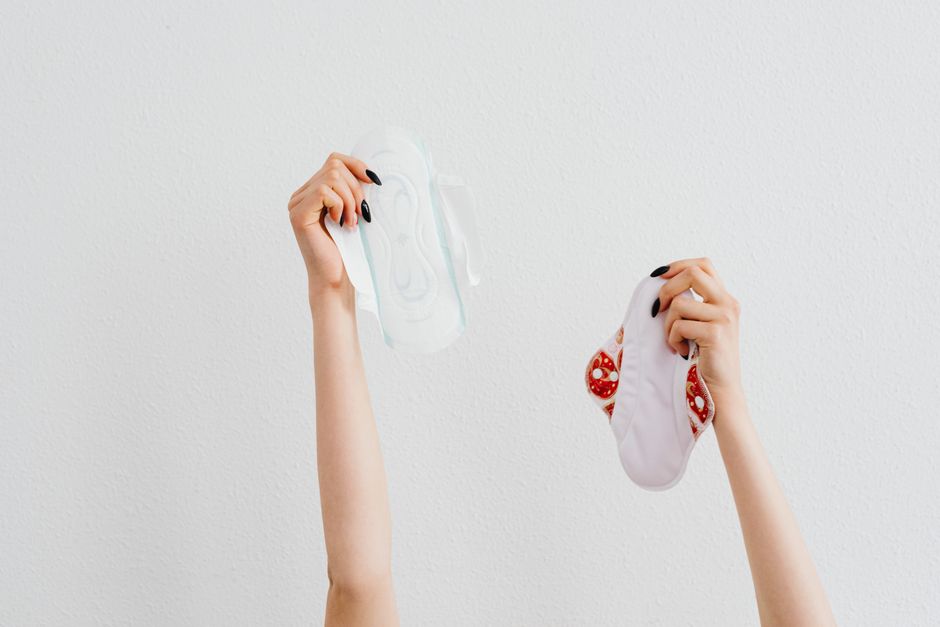
Reusable products like menstrual cups or washable pads can be a great solution, but they require access to clean water and soap to be used safely. In areas without clean water, disposables may actually be the safer option.
Final Thoughts
Addressing period poverty: a global menstrual health crisis is not just a “women’s issue.” It is a human rights issue. When we ensure that everyone has the tools they need to manage their health with dignity, we create a world that is fairer, healthier, and more productive for everyone.
It’s time to stop whispering and start acting. Whether it’s through a donation, a conversation, or a vote, you have the power to help end period poverty for good. Let’s make sure that no one is ever held back by a natural part of being human.
Written with love and assistance and refined for quality.
🔗 Related: Women with polycystic ovary syndrome exhibit…
🔗 Related: BcozSheMatters: WHO Health Ministry roll out…
🔗 Related: Research Shows This Supplement Can Help…