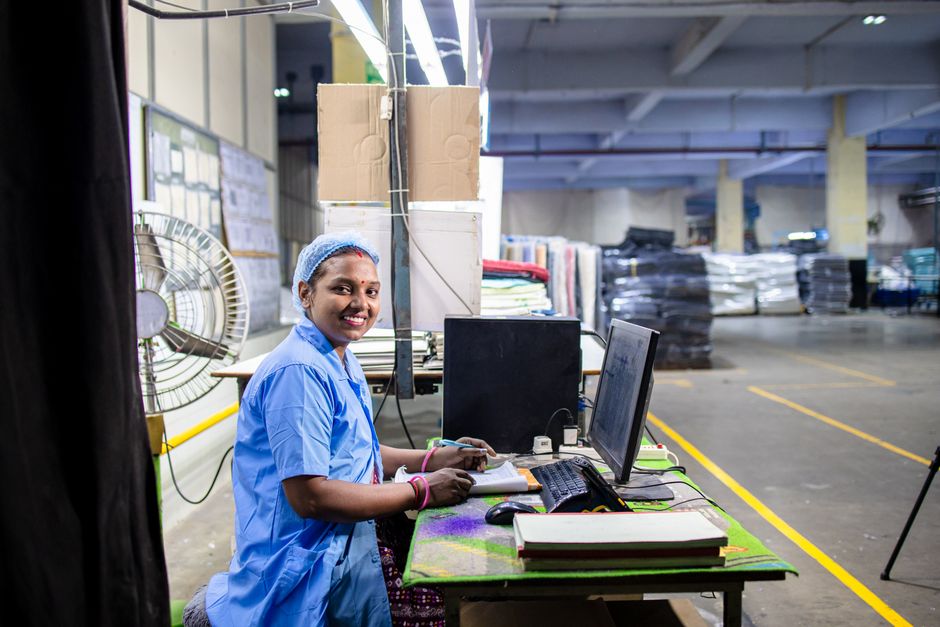
In this article, we’ll explore: BcozSheMatters: WHO Health Ministry roll out campaign on women and girls health and well-being and why it matters today.
Related:
👉 The Invisible Shield and the Storm: Understanding the Hormonal Mechanisms of Women’s Risk in the Face of Traumatic Stress
👉 The Hidden Struggle: Why Period Poverty Is a Global Menstrual Health Crisis
👉 BcozSheMatters: Why the New WHO Health Ministry Campaign is a Game-Changer for Women and Girls Everywhere
Learn more: BcozSheMatters: WHO Health Ministry roll out campaign on women and girls health and well-being on Wikipedia
Think about the women in your life for a second. Maybe it’s your mother, who always seems to have an infinite supply of energy for everyone but herself. Maybe it’s your sister, chasing her dreams while balancing a million responsibilities, or a daughter just beginning to find her way in the world. For too long, the health of women and girls has been treated as a “sidebar” issue—something to be addressed only when it becomes an emergency. But things are finally changing.
The World Health Organization (WHO) and the Health Ministry have joined forces to launch a groundbreaking initiative that is setting social media and local communities abuzz. The campaign, titled BcozSheMatters: WHO Health Ministry roll out campaign on women and girls health and well-being, is more than just a catchy slogan. It is a massive, multi-year commitment to ensuring that every woman, regardless of where she lives, has the resources she needs to live a healthy, dignified life.
In this post, we’re going to dive deep into what this campaign actually means for you, your family, and the global community. We’ll look at why it’s necessary, the specific areas it focuses on, and how we can all play a part in making it a success.
The Story of Anjali: Why This Campaign Matters
To understand the weight of the “BcozSheMatters” movement, let’s look at a real-world scenario. Meet Anjali, a 34-year-old school teacher and mother of two. Anjali is the backbone of her family. She wakes up at 5:00 AM, prepares meals, teaches 40 energetic kids, manages the household finances, and cares for her aging parents.
For months, Anjali felt a persistent fatigue and a dull ache in her back. She brushed it off as “just being busy.” She didn’t want to spend money on a doctor’s visit that could go toward her daughter’s school books. By the time she finally collapsed and was taken to a clinic, she was diagnosed with severe anemia and a reproductive health issue that had worsened due to neglect.
Anjali’s story isn’t rare; it’s the norm for millions of women. The BcozSheMatters: WHO Health Ministry roll out campaign on women and girls health and well-being was created specifically to reach women like Anjali before they reach a breaking point. It’s about shifting the narrative from “sacrifice” to “self-care and survival.”
What is the BcozSheMatters Campaign?
This initiative is a collaborative effort designed to bridge the gap between healthcare policy and the actual lived experiences of women. The WHO provides the global expertise and data, while the Health Ministry provides the local infrastructure to reach even the most remote villages.
The campaign focuses on a “Life-Course Approach.” This means they aren’t just looking at pregnancy or old age; they are looking at the health of a girl from the moment she is born, through her teenage years, her reproductive years, and into her senior years. It recognizes that a girl who is well-nourished today is a woman who will lead a healthier life tomorrow.
The Core Pillars of the Initiative
- Universal Access to Reproductive Health: Ensuring that family planning, maternal care, and safe screenings are available to everyone, not just those who can afford them.
- Mental Health Support: Breaking the silence around postpartum depression, anxiety, and the unique stresses women face in society.
- Nutrition and Wellness: Fighting the “hidden hunger” of micronutrient deficiencies like iron and folic acid.
- Preventative Care: Massive drives for cervical cancer screenings and HPV vaccinations for young girls.
Breaking the Stigma: Mental Health is Health
One of the most refreshing aspects of the BcozSheMatters: WHO Health Ministry roll out campaign on women and girls health and well-being is its heavy emphasis on mental well-being. For decades, a woman’s health was often reduced to her ability to bear children. If she was physically capable of working and caregiving, she was considered “healthy.”
But what about the silent struggles? The campaign aims to train community health workers to recognize signs of burnout and depression. By normalizing these conversations, the WHO and the Health Ministry are telling women that it is okay to ask for help. It’s a powerful message: your mind matters just as much as your body.
Real-World Impact: The “Community Circles”
As part of the campaign, the Health Ministry is rolling out “Community Circles” in rural and urban centers. These are safe spaces where women can gather to talk about their health without judgment. In a pilot program in a small district, these circles led to a 40% increase in women seeking professional help for anxiety within just six months. This is the “BcozSheMatters” effect in action.
Focusing on the Next Generation: Adolescent Girls
The campaign doesn’t wait until adulthood to start making a difference. A significant portion of the resources is dedicated to adolescent girls. Why? Because the habits and health status formed during the ages of 10 to 19 set the stage for the rest of a woman’s life.
The campaign addresses several key areas for young girls:
- Menstrual Hygiene Management: Providing clean facilities and products in schools so that girls don’t have to miss classes every month.
- Education on Rights: Helping girls understand their bodies and their right to say no to early marriage or any form of violence.
- Physical Activity: Encouraging sports and physical fitness to combat the rising rates of PCOS and lifestyle-related diseases.
The Role of Technology in BcozSheMatters
We live in a digital age, and the BcozSheMatters: WHO Health Ministry roll out campaign on women and girls health and well-being is leveraging this to the fullest. The Health Ministry has launched a dedicated mobile app that allows women to track their health metrics, book appointments at government clinics, and even chat with virtual health assistants.
Imagine a woman in a remote area who can’t travel five hours to the nearest city. Through the “BcozSheMatters” digital portal, she can have a tele-consultation with a specialist. This use of technology democratizes healthcare, making “well-being” a reality for those who were previously left in the dark.
Overcoming the Barriers
Of course, no campaign is without its challenges. The WHO has identified three major hurdles that the BcozSheMatters initiative is working to overcome:
1. Cultural Taboos
In many cultures, talking about reproductive health or menstruation is considered “shameful.” The campaign uses local influencers, religious leaders, and grandmothers—the “gatekeepers” of the family—to change these perceptions through storytelling and education.
2. Economic Constraints
Even when healthcare is free, the “cost” of taking a day off work or paying for transportation can be too much. The campaign is addressing this by bringing mobile health clinics directly to workplaces and residential neighborhoods.
3. Lack of Information
Many women simply don’t know what “healthy” feels like. They think constant pain or fatigue is a normal part of being a woman. Through radio ads, posters, and community workshops, the campaign is teaching women how to listen to their bodies.
Key Takeaways from the BcozSheMatters Campaign
- Holistic Approach: It’s not just about physical illness; it’s about mental, social, and nutritional health.
- Lifelong Support: The campaign supports females from infancy through menopause and beyond.
- Accessibility: Using mobile clinics and digital apps to reach the “unreachable.”
- Empowerment: Encouraging women to prioritize their own health without feeling guilty.
- Collaboration: A powerful partnership between the WHO’s global vision and the Health Ministry’s local execution.
How You Can Support the Movement
You don’t have to be a doctor or a policymaker to help. The success of the BcozSheMatters: WHO Health Ministry roll out campaign on women and girls health and well-being depends on all of us.
Start by checking in on the women in your life. Encourage them to go for that check-up they’ve been putting off. If you’re an employer, ensure your female staff have the flexibility to attend health appointments. On social media, share the campaign’s resources using the hashtag #BcozSheMatters. Awareness is the first step toward action.
Conclusion: A Healthier World for Everyone
When a woman is healthy, her children are more likely to be healthy. Her community is more likely to thrive. Her country’s economy grows. The BcozSheMatters campaign isn’t just about “helping women”—it’s about strengthening the very fabric of our society.
The WHO and the Health Ministry have laid the groundwork. They’ve provided the tools, the clinics, and the vision. Now, it’s up to us to ensure that no woman ever feels like her health is a secondary concern. Because she matters. Every single day.
Frequently Asked Questions (FAQ)
1. What is the main goal of the BcozSheMatters campaign?
The primary goal is to provide comprehensive, accessible, and high-quality healthcare for women and girls at every stage of their lives, focusing on physical, mental, and nutritional well-being.
2. Who is eligible to benefit from this campaign?
The campaign is designed for all women and girls, with a special focus on those in underserved or rural communities who may have previously lacked access to consistent healthcare.
3. Does the campaign cover mental health?
Yes! Mental health is a core pillar of the BcozSheMatters initiative, including support for postpartum depression, anxiety, and stress management.
4. How can I find a BcozSheMatters clinic near me?
You can check the official Health Ministry website or download the campaign’s mobile app to find a list of participating government clinics and mobile health units.
5. Is there a cost associated with the services?
Most services provided under the campaign at government facilities are either free or highly subsidized to ensure that financial status is not a barrier to health.
6. Why is the WHO involved in a local health campaign?
The WHO provides global data, best practices, and technical expertise to ensure the campaign meets international health standards and can be a model for other nations.
Written with love and assistance and refined for quality.
🔗 Related: Why Am I Not Losing Weight…
🔗 Related: For millions of women PCOS was…
🔗 Related: Genelia DSouza opens up about menopause…