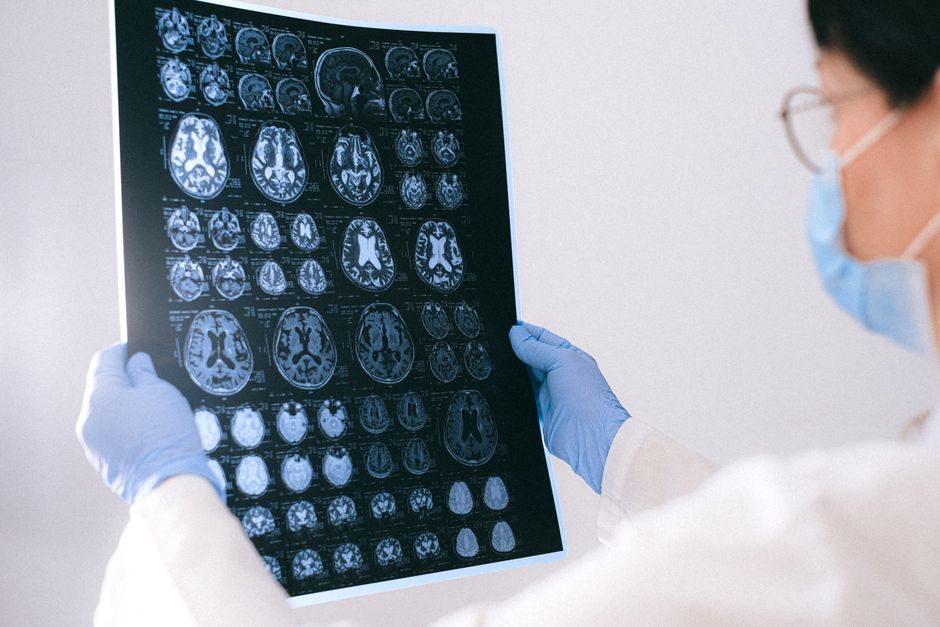
In this article, we’ll explore: Research Shows This Supplement Can Help Build Lean Muscle And Improve Brain Health and why it matters today.
Related:
👉 Understanding PCOS Infertility: Why the Uterine "Welcome Mat" Sometimes Fails to Roll Out
👉 The Ultimate Powerhouse: Why This One Supplement Is a Game Changer for Your Body and Your Brain
👉 Why Trauma Hits Differently: Understanding the Hormonal Mechanisms of Women’s Risk in the Face of Traumatic Stress
Learn more: Research Shows This Supplement Can Help Build Lean Muscle And Improve Brain Health on Google Search
If you walked into a local vitamin shop ten years ago and asked for creatine, the clerk probably would have pointed you toward a tub of powder featuring a picture of a massive, vein-popping bodybuilder. For a long time, creatine was seen as the “meathead” supplement—something only used by people who wanted to spend four hours a day lifting heavy weights and grunting in the gym.
But times have changed. Recently, a shift has happened in the world of nutrition and health science. Doctors, longevity experts, and even neurologists are starting to talk about this same supplement, but for a completely different reason. It turns out that what’s good for your biceps might be even better for your brain.
Research shows this supplement can help build lean muscle and improve brain health, making it one of the most versatile tools in your wellness kit. Whether you’re a 25-year-old athlete or a 65-year-old grandmother concerned about memory, there is a very high chance you should be looking into creatine. Let’s dive into why this “old school” gym staple is making a massive comeback as a modern-day superfood.
What Exactly Is This Supplement?
Before we get into the heavy science, let’s clear up what creatine actually is. First off, it’s not a steroid. It’s not some weird synthetic chemical made in a lab. Creatine is a naturally occurring compound found in your body, mostly in your muscles and a little bit in your brain.
You already eat it every day if you eat red meat or fish. However, to get the amounts that scientists find beneficial in studies, you’d have to eat about two pounds of raw steak a day. Since most of us aren’t doing that, a simple, tasteless powder is the easiest way to get the job done.
Think of creatine like a backup battery for your cells. When your body needs energy—like when you’re sprinting for a bus or trying to solve a complex math problem—it uses a molecule called ATP. The problem is, your body only stores a few seconds’ worth of ATP. Creatine helps “recharge” those batteries instantly, giving you more gas in the tank.
The Body: Building Lean Muscle and Strength
Let’s start with the most famous benefit: muscle growth. You don’t have to be a bodybuilder to care about muscle. As we age, we naturally lose muscle mass (a process called sarcopenia). Keeping your muscles strong is the key to staying mobile, keeping your metabolism high, and avoiding injury.
How it Works in the Gym
When you take creatine, your muscles hold onto a little more water, which makes them look fuller. But more importantly, it allows you to do just a little bit more work. If you usually get tired after 8 repetitions of an exercise, creatine might help you get to 10 or 11. Over weeks and months, those extra reps add up to significantly more lean muscle growth.
Real-World Example: Sarah’s Story
Take Sarah, a 35-year-old marketing manager who started lifting weights twice a week to tone up. For six months, she felt like she hit a plateau. She was tired, her weights weren’t going up, and she didn’t see much change in the mirror. After doing some reading, she started taking 5 grams of creatine daily. Within a month, she noticed she wasn’t “crashing” halfway through her workout. She was able to add five pounds to her lifts, and for the first time, she started seeing definition in her shoulders. It wasn’t magic; it was just her muscles having the energy they needed to actually work.
The Brain: The Surprising New Frontier
This is where things get really exciting. While the gym crowd has known about creatine for decades, the “brain health” crowd is just catching on. Your brain is an energy hog. Even though it only makes up about 2% of your body weight, it uses about 20% of your daily calories. Just like your muscles, your brain needs ATP to function.
Research shows this supplement can help build lean muscle and improve brain health by ensuring the brain has a constant supply of energy, especially during stressful or demanding tasks.
Mental Clarity and Focus
Have you ever felt “brain fog” after a long day of meetings? That’s essentially your brain running low on energy. Studies have shown that creatine supplementation can improve short-term memory and reasoning skills, particularly in people who are stressed or sleep-deprived. It’s like giving your brain an extra hour of sleep in a spoonful.
Protection Against Aging
There is also emerging research suggesting that creatine might help protect the brain against neurodegenerative diseases. By maintaining high energy levels in the cells, it may help protect neurons from damage. While we still need more human trials, the early data is incredibly promising for long-term cognitive health.
Why You Shouldn’t Be Afraid of It
Whenever a supplement is this effective, people get nervous. They think there must be a catch. Let’s address the common myths that keep people from trying it.
- “It’s bad for your kidneys.” This is one of the oldest myths in the book. Unless you have a pre-existing, serious kidney disease, dozens of studies have shown that creatine is perfectly safe for long-term use.
- “It will make me look bloated.” Creatine does draw water into the cells, but it draws it into the muscle, not under the skin. This actually makes you look more toned, not “puffy.”
- “It’s only for men.” Absolutely not. Women can benefit just as much, if not more, from the muscle-preserving and brain-boosting effects of creatine, especially as they navigate hormonal changes.
How to Take It for Maximum Results
You don’t need fancy “buffered” creatine or expensive liquid versions. The most researched, cheapest, and most effective form is Creatine Monohydrate. It’s a plain white powder that dissolves in water or coffee.
The Simple Routine
- The Dose: 3 to 5 grams per day. That’s about one teaspoon.
- The Timing: It doesn’t really matter. Some people take it before the gym, others put it in their morning smoothie. Consistency is more important than timing.
- The “Loading” Phase: You might hear people say you need to take 20 grams a day for the first week. You can do that if you want results faster, but it often causes an upset stomach. Taking 5 grams a day will get you to the same place in about three weeks.
Key Takeaways
If you’re looking for one supplement that actually lives up to the hype, this is it. Here is the quick summary of why it deserves a spot on your kitchen counter:
- Energy Production: It acts as a backup battery for your cells, both in the gym and in your head.
- Muscle Retention: It helps you build and keep lean muscle, which is vital for a healthy metabolism.
- Cognitive Boost: It can help reduce mental fatigue and improve memory, especially when you are tired.
- Safety: It is one of the most studied supplements in history with an incredible safety profile.
- Simplicity: It’s cheap, easy to find, and fits into any routine.
Real-World Example: The “Executive” Brain
Imagine a high-level executive named Robert. Robert is 50, works 60 hours a week, and tries to hit the gym three times a week. He noticed that by 3:00 PM, he couldn’t focus on spreadsheets anymore. He also noticed he was getting “softer” around the middle despite lifting weights. He started a daily dose of creatine. Within weeks, he felt a “sharper” edge during his afternoon meetings. He wasn’t reaching for a third cup of coffee as often, and his workouts felt more productive. For Robert, creatine wasn’t about getting “huge”—it was about maintaining his edge in his career and his physical health.
Frequently Asked Questions (FAQ)
1. Does creatine cause hair loss?
There is no strong scientific evidence that creatine causes hair loss. This myth started from one small study on rugby players that showed an increase in a hormone called DHT, but it has never been replicated in dozens of other studies. Most experts agree it’s not a concern.
2. Can I take it if I don’t exercise?
Yes! While you’ll get the most “lean muscle” benefits if you exercise, the brain health benefits apply to everyone. Some studies have shown significant cognitive improvements in elderly individuals and vegetarians who took creatine without a formal exercise plan.
3. Should I take it on rest days?
Yes. Creatine works by building up a “storage” in your system. If you skip your rest days, those levels will slowly drop. To get the full benefit, take it every single day, whether you’re hitting the gym or sitting on the couch.
4. Does it matter what I mix it with?
Not really. Some people like to mix it with a carbohydrate (like juice) because the insulin spike might help it absorb faster, but the difference is very small. Most people just throw it in their water, protein shake, or morning coffee.
5. Is it safe for teenagers?
Most major sports nutrition organizations agree that creatine is safe for teenage athletes who are involved in serious, supervised training and eating a balanced diet. However, it’s always best to check with a pediatrician first.
Final Thoughts
In a world full of “miracle pills” and “biohacking” trends that disappear after six months, creatine has stood the test of time. It is rare to find a supplement that is both incredibly cheap and incredibly effective. Since research shows this supplement can help build lean muscle and improve brain health, it’s no longer just for the bodybuilders at the gym. It’s for the thinkers, the doers, and anyone who wants to age with strength and clarity.
If you haven’t tried it yet, it might be time to put aside the old stereotypes and give your body—and your brain—the fuel it’s been looking for.
Written with love and assistance and refined for quality.
🔗 Related: Women with polycystic ovary syndrome exhibit…
🔗 Related: BcozSheMatters: WHO Health Ministry roll out…
🔗 Related: Estrogen levels in both the male…