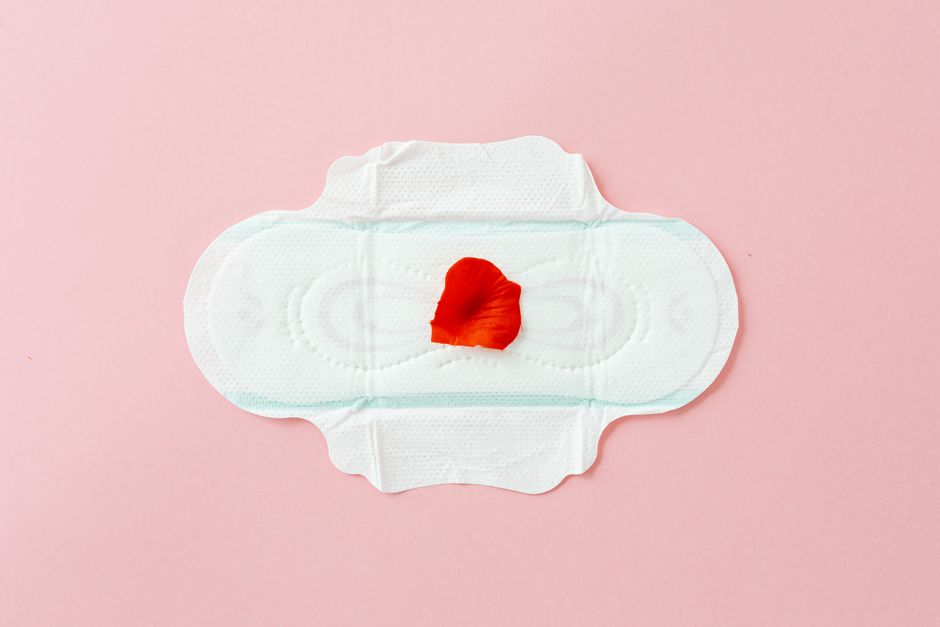
In this article, we’ll explore: Period poverty: A global menstrual health crisis and why it matters today.
Related:
👉 Why Every Woman’s Health is a Global Priority: A Deep Dive into the BcozSheMatters Campaign
👉 BcozSheMatters: Why the New WHO and Health Ministry Campaign is a Game-Changer for Women Everywhere
👉 Period Poverty: Why This Global Menstrual Health Crisis Matters to All of Us
Learn more: Period poverty: A global menstrual health crisis on Google Search
Imagine for a second that every month, for five days, you had to put your life on hold. Imagine you couldn’t go to work, you couldn’t attend school, and you had to hide away because of a natural bodily function. For millions of women, girls, and people who menstruate around the world, this isn’t a thought experiment—it is a monthly reality.
We often talk about the cost of living, the price of gas, or the rising cost of groceries. But there is a silent, hidden expense that half the population carries: the cost of having a period. When people cannot afford menstrual products, or lack the basic facilities to manage their cycles with dignity, we call it period poverty. It is much more than just a lack of pads or tampons; period poverty: a global menstrual health crisis that affects physical health, mental well-being, and economic opportunity.
In this post, we’re going to dive deep into what this crisis looks like, why it’s happening in both wealthy and developing nations, and what we can actually do to fix it.
What Exactly Is Period Poverty?
When most people hear the term “period poverty,” they think of a lack of money to buy pads. While that’s a huge part of it, the definition is actually much broader. Period poverty is the lack of access to menstrual products, hygiene facilities, waste management, and even the education needed to understand how menstruation works.
Think about it this way: a pad is useless if you don’t have a private bathroom to change it in. A tampon is dangerous if you don’t have clean water to wash your hands before using it. And the whole experience is terrifying if you’ve never been taught what is happening to your body.
The Three Pillars of the Crisis
- Access: Being able to physically find and afford quality menstrual products.
- Infrastructure: Having access to clean water, soap, and private, safe toilets.
- Education: Breaking the silence and removing the shame through accurate information.
The Story of Maya: A Representative Reality
To understand the human side of this, let’s look at Maya. Maya is a 14-year-old living in a rural village. When her period starts, she doesn’t have access to pads. They are too expensive, and the nearest shop is miles away. Instead, she uses old rags. Because she has no private place at school to wash or change these rags, she stays home.
Maya misses about five days of school every month. That’s 50 to 60 days a year. By the time she reaches the end of high school, she is almost two years behind her male peers. This isn’t a lack of intelligence or ambition; it’s a biological tax that she simply cannot afford to pay. Maya’s story isn’t unique—it’s the story of millions of girls from Sub-Saharan Africa to Southeast Asia, and even in the heart of London or New York.
It’s Not Just a “Developing World” Problem
One of the biggest misconceptions is that period poverty only happens “somewhere else.” That couldn’t be further from the truth. In the United States, 1 in 4 students has struggled to afford period products. In the UK, data suggests that 1 in 10 girls has been unable to afford menstrual items.
When a family is living paycheck to paycheck, and they have to choose between buying a gallon of milk or a box of tampons, the milk usually wins. This leads to “makeshift” solutions. People use old socks, wadded-up toilet paper, or even newspaper. Not only is this undignified, but it’s also incredibly dangerous for their health.
The “Pink Tax” and Economic Barriers
In many parts of the world, menstrual products are still taxed as “luxury items” rather than essential healthcare necessities. While items like Viagra or certain snacks are often tax-exempt, pads and tampons are not. This “Pink Tax” adds an extra layer of financial burden on those who are already struggling. When you combine high taxes with inflation, the price of basic hygiene becomes a barrier to participation in society.
The Health Risks We Rarely Talk About
Period poverty: a global menstrual health crisis isn’t just about comfort; it’s about survival. When people are forced to use unhygienic alternatives or wear a single pad for 24 hours because they don’t have another one, the health consequences are severe.
- Infections: Using dirty rags or leaves can lead to severe urinary tract infections (UTIs) and bacterial vaginosis.
- Toxic Shock Syndrome (TSS): Leaving a tampon in for too long because of a lack of supply can be life-threatening.
- Reproductive Issues: Chronic infections caused by poor menstrual hygiene can lead to long-term reproductive health complications and even infertility.
Beyond the physical, there is the psychological toll. The constant fear of “leaking” or smelling in public leads to intense anxiety and social isolation. It strips away a person’s dignity and reinforces the idea that their body is something to be ashamed of.
Breaking the Stigma: The Power of Conversation
Why has it taken so long for the world to address this? The answer is simple: stigma. For centuries, menstruation has been treated as a “whisper topic.” In some cultures, menstruating women are considered “impure” and are forbidden from cooking, entering religious spaces, or even touching others.
In Nepal, for example, the practice of Chhaupadi (though technically illegal) still sees women banished to “period huts” during their cycles. These huts are often freezing, unhygienic, and dangerous. But stigma exists in the West, too. It’s the way we hide a tampon in our sleeve on the way to the bathroom. It’s the way we use code words like “Aunt Flo” or “that time of the month.”
When we don’t talk about periods, we can’t talk about the problems associated with them. Silence is the greatest ally of period poverty.
Real-World Examples of Progress
While the situation is dire, there is hope. We are seeing a global shift in how governments and organizations view menstrual health. Here are a few examples of “wins” in the fight against period poverty:
Scotland Leads the Way
In 2020, Scotland became the first country in the world to make period products free for everyone. They recognized that menstrual products are a basic human right, just like toilet paper in a public restroom. This landmark legislation set a precedent for the rest of the world.
Kenya’s Tax Reform
Kenya was one of the first countries to eliminate the “pink tax” on imported menstrual products. Furthermore, the Kenyan government has made significant strides in distributing free pads to schoolgirls in rural areas, significantly boosting school attendance rates.
Grassroots Movements
Organizations like Period.org and The Pad Project (famous for the Oscar-winning documentary “Period. End of Sentence.”) are working on the ground to install pad-making machines in villages and provide education to young people of all genders.
Key Takeaways: The Fight Against Period Poverty
- It’s a Human Rights Issue: Menstrual health is tied to the right to education, work, and health.
- Wealthy Nations Aren’t Exempt: Inflation and poverty make menstrual products inaccessible even in the richest countries.
- Education is Key: We must teach both boys and girls about menstruation to eliminate the shame and stigma.
- Policy Matters: Removing taxes and providing free products in schools and shelters are proven ways to reduce the crisis.
- Infrastructure is Essential: We need “period-friendly” toilets with clean water and disposal bins.
How You Can Help
You don’t have to be a politician to make a difference. Here are three simple ways you can help tackle period poverty today:
- Donate Products: The next time you buy pads or tampons, buy an extra box and donate it to a local food bank or homeless shelter. These are often the most requested but least donated items.
- Support Legislation: Look up your local laws. Is there a “Pink Tax” in your state or country? Write to your local representative and ask them to support menstrual equity bills.
- Talk About It: Normalize the conversation. The more we talk about periods openly, the less power the stigma has.
Frequently Asked Questions
What is the main cause of period poverty?
The main causes are a combination of financial hardship (high cost of products), lack of education, and poor water and sanitation infrastructure. Stigma also plays a role by preventing people from seeking help or advocating for better resources.
Who is most affected by period poverty?
While it affects anyone who menstruates, it disproportionately impacts low-income individuals, students, homeless people, and those living in rural areas or conflict zones.
How does period poverty affect education?
When students don’t have products, they often stay home to avoid the embarrassment of leaking. This leads to chronic absenteeism, lower grades, and a higher likelihood of dropping out of school altogether.
Is period poverty getting better?
Yes and no. Awareness is at an all-time high, and many countries are passing better laws. However, global inflation and rising poverty levels mean that for many individuals, the cost of products is becoming harder to manage.
Final Thoughts
Period poverty: a global menstrual health crisis is not an unsolvable mystery. We have the products, we have the resources, and we have the knowledge. What we have lacked, until recently, is the political and social will to treat menstrual health as the essential healthcare issue it is.
Menstruation is a sign of health and life. It should never be a barrier to a person’s potential. By breaking the silence, demanding better policies, and supporting one another, we can ensure that “period poverty” becomes a term found only in history books. Let’s make a world where no one is held back by a cycle that is perfectly natural.
Written with love and assistance and refined for quality.
🔗 Related: Research Shows This Supplement Can Help…