
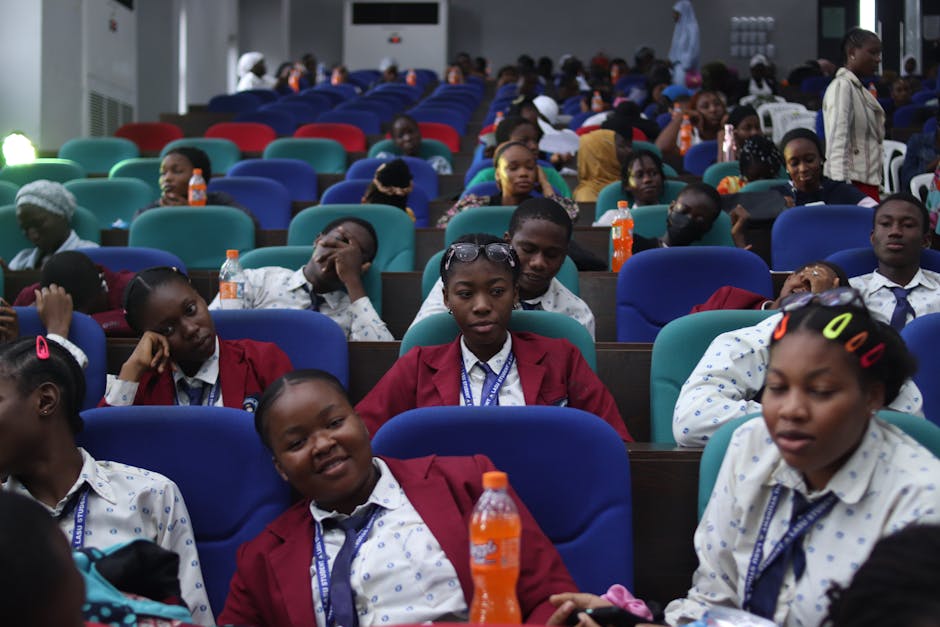
In this article, we’ll explore: BcozSheMatters: WHO Health Ministry roll out campaign on women and girls health and well-being and why it matters today.
Related:
👉 BcozSheMatters: Why the WHO and Health Ministry’s New Campaign is a Game-Changer for Women Everywhere
👉 HealthFab Secures Series A Funding to Build Full Cycle Wellness Range: A New Era for Holistic Health
👉 Why Trauma Hits Differently: Understanding the Hormonal Mechanisms of Women’s Risk in the Face of Traumatic Stress
Learn more: BcozSheMatters: WHO Health Ministry roll out campaign on women and girls health and well-being on Wikipedia
Imagine a small village where a young woman named Anjali lives. Anjali is bright, ambitious, and the heartbeat of her family. But like millions of women around the world, her health often takes a backseat. She works through the pain, ignores the fatigue, and puts everyone else’s needs before her own. It’s a story we’ve heard a thousand times, in a thousand different languages.
But things are starting to change. Recently, a massive wave of hope has been building on the global stage. We are seeing a shift from “general healthcare” to “targeted care” that recognizes the unique biological and social needs of women. This shift has a name: BcozSheMatters: WHO Health Ministry roll out campaign on women and girls health and well-being. This isn’t just another government initiative; it’s a movement designed to ensure that no girl or woman is left behind in the shadows of the healthcare system.
In this post, we’re going to dive deep into what this campaign actually means for people like Anjali, why it matters for our economy, and how it aims to rewrite the future of global health.
The Heart of the Movement: Why “She” Matters
For too long, medical research and healthcare delivery have used a “one-size-fits-all” approach. Historically, clinical trials often focused on men, assuming that what works for a 180-pound male will work for a 130-pound female. We now know that’s not just wrong—it’s dangerous. From heart disease symptoms to the way our bodies process medication, women are different.
The BcozSheMatters: WHO Health Ministry roll out campaign on women and girls health and well-being is a direct response to these gaps. It’s an acknowledgment that when a woman is healthy, her children are more likely to attend school, her household is more financially stable, and her community thrives. In short, women are the backbone of society, and it’s time our health systems reflected that reality.
Breaking the Silence on Taboo Topics
One of the most refreshing aspects of this campaign is its willingness to talk about the “unmentionables.” We’re talking about menstrual hygiene, menopause, and reproductive rights. In many cultures, these topics are whispered about or completely ignored. By bringing them into the spotlight, the WHO and various Health Ministries are stripping away the stigma that prevents girls from staying in school or women from seeking help for hormonal health issues.
The Four Pillars of the BcozSheMatters Campaign
To understand the scale of this initiative, we need to look at its core pillars. This isn’t just about handing out vitamins; it’s a holistic overhaul of how we view female wellness.
- Maternal and Reproductive Health: Ensuring every mother has access to safe delivery and postpartum care.
- Adolescent Girl Empowerment: Focusing on nutrition, vaccinations (like the HPV vaccine), and education to prevent early marriage and pregnancy.
- Mental Health and Well-being: Addressing the unique stressors women face, including domestic pressures and postpartum depression.
- Chronic Disease Prevention: Scaling up screenings for breast cancer, cervical cancer, and cardiovascular issues that specifically affect women.
Real-World Impact: Stories from the Ground
Let’s talk about Sarah. Sarah is a 45-year-old teacher who lived with chronic exhaustion for years. She thought it was just the “burden of being a working mom.” It wasn’t until a local clinic, bolstered by the BcozSheMatters: WHO Health Ministry roll out campaign on women and girls health and well-being, conducted a specialized screening that she discovered a thyroid imbalance and severe anemia.
With simple, affordable treatment, Sarah’s life changed. She had energy again. She could teach with passion again. This is the “ripple effect” of the campaign. It’s not just about surviving; it’s about thriving. When we invest in Sarah, we invest in her students, her children, and her future.
Focusing on the “Invisible” Generations
While much of the focus is often on childbearing years, this campaign makes a conscious effort to include adolescent girls and elderly women. Adolescent girls often face a “cliff” where they drop out of the healthcare system once they hit puberty. By providing school-based health programs, the campaign ensures they stay healthy and informed during their most formative years.
On the other end of the spectrum, elderly women often suffer from osteoporosis and loneliness. The campaign’s focus on “well-being” means looking at the quality of life, not just the absence of disease. It’s about ensuring that a woman’s golden years are actually golden.
The Economic Argument: Why This is a Smart Investment
If you aren’t moved by the human stories, let’s look at the cold, hard numbers. Economists have long argued that women’s health is one of the best investments a country can make. According to various global studies, every dollar invested in women’s health can generate a huge return in economic productivity.
When women are healthy, they can participate in the workforce. They can start businesses. They spend their earnings on their families, which boosts local economies. The BcozSheMatters: WHO Health Ministry roll out campaign on women and girls health and well-being is, in many ways, an economic stimulus package disguised as a health initiative.
Challenges on the Road Ahead
Of course, no campaign of this scale is without its hurdles. We have to be realistic about the obstacles that the WHO and Health Ministries face:
1. Cultural Barriers
In many regions, patriarchal norms still dictate who gets to see a doctor. Overcoming these deep-seated beliefs requires more than just medicine; it requires community engagement and the involvement of local leaders and men as allies.
2. Infrastructure Gaps
You can have the best campaign in the world, but if there isn’t a paved road to the clinic or electricity to keep vaccines cold, the impact is limited. The campaign is working to integrate health services into existing community structures to bypass some of these logistical nightmares.
3. Funding Sustainability
Rollouts are expensive. The challenge is ensuring that the momentum doesn’t fade after the initial launch. This requires long-term commitment from governments to keep the “BcozSheMatters” spirit alive in their national budgets.
How You Can Support the Cause
You don’t have to be a doctor or a politician to make a difference. The success of the BcozSheMatters: WHO Health Ministry roll out campaign on women and girls health and well-being depends on all of us.
- Educate Yourself: Learn about the specific health challenges women face in your community.
- Speak Up: Use your social media platforms to share information and break the stigma surrounding women’s health.
- Support Local Clinics: Volunteer or donate to organizations that provide reproductive and maternal care.
- Advocate for Policy: Write to your local representatives and ask them what they are doing to support the WHO’s goals for women’s health.
Key Takeaways
- The BcozSheMatters campaign is a holistic approach by the WHO and Health Ministries to prioritize the unique needs of women and girls.
- It focuses on four main areas: maternal health, adolescent empowerment, mental health, and chronic disease prevention.
- Investing in women’s health has a massive positive impact on the global economy and community stability.
- The campaign aims to break cultural taboos and provide healthcare access to the most vulnerable populations.
- Success depends on sustained funding, infrastructure improvement, and community-level support.
Frequently Asked Questions (FAQ)
What is the main goal of the BcozSheMatters campaign?
The primary goal is to ensure that women and girls have equitable access to high-quality healthcare that is tailored to their specific biological and social needs, ultimately improving their overall well-being and life expectancy.
Is this campaign only for developing countries?
No. While the challenges may differ, women in developed nations also face health disparities, particularly in areas like maternal mortality among minority groups and the gender gap in medical research. This is a global movement.
How does the WHO work with local Health Ministries?
The WHO provides the framework, data, and technical guidelines, while the national Health Ministries implement the programs on the ground, tailoring them to fit the local culture and existing healthcare infrastructure.
Does the campaign address mental health?
Yes, mental health is a core pillar. The campaign recognizes that women are disproportionately affected by certain mental health conditions and aims to provide better support for issues like postpartum depression, anxiety, and the psychological impact of gender-based violence.
How can I track the progress of this campaign?
You can follow the official WHO website and your national Ministry of Health’s social media channels. They frequently release reports and updates on the impact of the BcozSheMatters: WHO Health Ministry roll out campaign on women and girls health and well-being.
At the end of the day, this campaign is a reminder that health is not a luxury—it is a fundamental right. And it’s a right that must be protected for every girl and woman, regardless of where she lives or how much money she has. Because, truly, she matters.
Written with love and assistance and refined for quality.
{“@context”:”https://schema.org”,”@type”:”Article”,”headline”:”BcozSheMatters: Why the New WHO and Health Ministry Campaign is a Game-Changer for Women Everywhere”,”description”:”In this article, weu2019ll explore: BcozSheMatters: WHO Health Ministry roll out campaign on women and girls health and well-being and…”,”author”:{“@type”:”Person”,”name”:”Dr. Cuterus”},”datePublished”:”2026-06-03T02:04:31+00:00″,”dateModified”:”2026-06-03T02:04:31+00:00″,”mainEntityOfPage”:”https://healthyworldz.com/bcozshematters-why-the-new-who-and-health-ministry-campaign-is-a-game-changer-for-women-everywhere-10/”,”image”:[“https://healthyworldz.com/wp-content/uploads/2026/06/bcozshematters-who-health-ministry-roll-out-campaign-on-women-and-girls-health-and-well-being-9.jpg”]}
🔗 Related: DW News PCOS is now PMOS…
🔗 Related: Why womens health needs a system…
🔗 Related: Why Am I Losing Inches But…

