
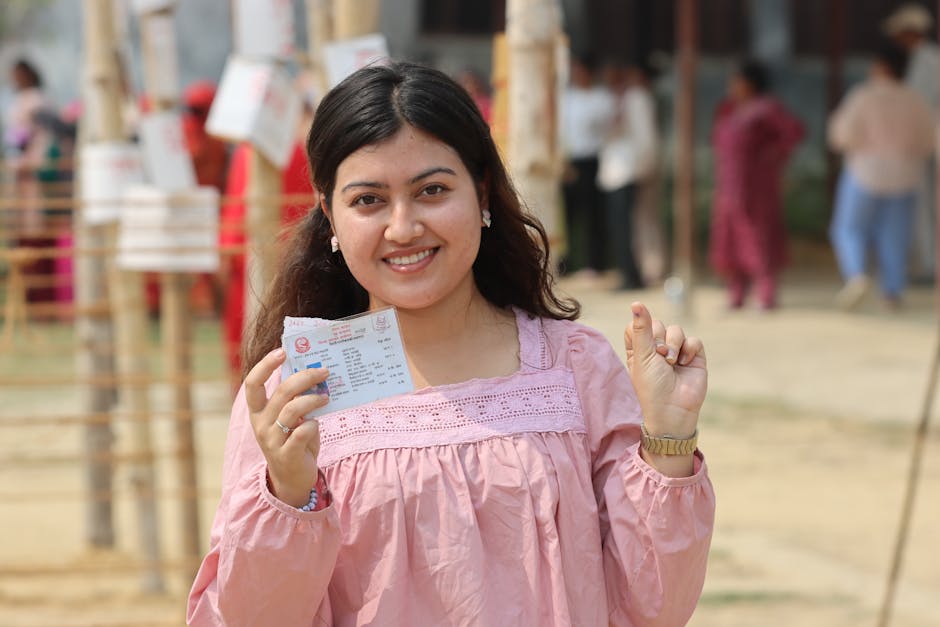
In this article, we’ll explore: BcozSheMatters: WHO Health Ministry roll out campaign on women and girls health and well-being and why it matters today.
Related:
👉 HealthFab Secures Series A Funding to Build Full Cycle Wellness Range: A New Era for Holistic Health
👉 Why Am I Losing Inches But Not Weight? Here Are 4 Possible Reasons The Scale Isn’t Changing
👉 BcozSheMatters: Why the New WHO and Health Ministry Campaign is a Game-Changer for Women Everywhere
Learn more: BcozSheMatters: WHO Health Ministry roll out campaign on women and girls health and well-being on Wikipedia
We have all seen this scenario play out. A mother wakes up at 5:00 AM to pack lunches, gets the kids ready for school, manages a high-pressure job, and then spends her evening making sure the household is running smoothly. When she feels a persistent ache in her back or a lump that shouldn’t be there, she brushes it off. “I’ll go to the doctor next month,” she tells herself. But next month becomes next year.
In many parts of the world, a woman’s health is often the last priority on her own list. Whether it is due to societal pressure, lack of resources, or simply the “superwoman” complex, millions of women are living in a state of neglected well-being. This is exactly why the latest initiative, BcozSheMatters: WHO Health Ministry roll out campaign on women and girls health and well-being, is not just another government announcement—it is a necessary intervention.
This campaign represents a massive shift in how we look at healthcare. It’s moving away from just “treating the sick” to “empowering the healthy.” Let’s dive deep into what this campaign means, why it matters, and how it’s set to change lives on the ground.
What Exactly is the #BcozSheMatters Campaign?
The BcozSheMatters: WHO Health Ministry roll out campaign on women and girls health and well-being is a collaborative effort designed to bridge the gap in healthcare accessibility. It isn’t just about building more hospitals; it is about creating a culture where a woman’s health is celebrated and protected at every stage of her life—from adolescence through menopause and beyond.
The campaign focuses on a holistic definition of health. For too long, “women’s health” was used as a synonym for “maternal health.” While safe childbirth is crucial, a woman is more than just a mother. She is an individual who faces unique risks regarding cardiovascular health, bone density, mental wellness, and reproductive rights. This campaign acknowledges that complexity.
The Core Pillars of the Initiative
- Preventive Screenings: Early detection of breast and cervical cancer, as well as regular checks for hypertension and diabetes.
- Mental Health Support: Breaking the stigma around postpartum depression, anxiety, and the stress of the “double burden” (balancing home and work).
- Nutritional Advocacy: Addressing anemia and calcium deficiencies that disproportionately affect women.
- Menstrual Hygiene: Ensuring girls have the resources and education to stay in school during their periods.
- Digital Health Literacy: Using technology to give women direct access to health records and tele-consultations.
The “Ripple Effect” of a Healthy Woman
There is an old saying: “If you educate a man, you educate an individual. But if you educate a woman, you educate a nation.” The same logic applies to health. When a woman is healthy, her children are more likely to be vaccinated and nourished. Her household is more economically stable because she isn’t losing days of work to preventable illnesses.
Take the example of Meera, a 34-year-old tailor in a small town. For years, Meera suffered from chronic fatigue and dizzy spells. She assumed it was just “part of getting older.” Through a local outreach program under the #BcozSheMatters initiative, she was screened and diagnosed with severe iron-deficiency anemia. With a simple course of supplements and dietary changes, her energy returned. She was able to take on more orders, increasing her family’s income by 30%. This isn’t just a health story; it’s an economic success story.
Breaking the Silence on Mental Well-being
One of the most refreshing aspects of the BcozSheMatters: WHO Health Ministry roll out campaign on women and girls health and well-being is its focus on the mind. In many cultures, a woman is expected to be the emotional anchor of the family. She is supposed to be “strong,” which often means suffering in silence.
The campaign is rolling out community-based support groups where women can talk about burnout and anxiety without judgment. By involving the WHO, the ministry is bringing global best practices to local neighborhoods. They are training community health workers to recognize the signs of domestic stress and depression, ensuring that “well-being” includes the peace of mind as much as the health of the body.
Why Adolescence is a Critical Window
The campaign specifically targets young girls because the habits formed at age 12 or 13 dictate health outcomes at age 50. By focusing on HPV vaccinations, nutritional education, and menstrual dignity, the WHO and the Health Ministry are essentially “future-proofing” the next generation of women. When a girl understands her body and feels empowered to seek help, she carries that confidence into adulthood.
Real-World Challenges: Moving Beyond the Billboard
We’ve all seen campaigns that look great on a billboard but fail to reach the person living in a remote village. The BcozSheMatters: WHO Health Ministry roll out campaign on women and girls health and well-being aims to avoid this trap by using a “last-mile” delivery strategy.
This includes:
- Mobile Health Vans: Bringing diagnostic tools like mammograms and blood tests directly to rural markets and community centers.
- Incentivized Check-ups: Working with local governments to provide small incentives or “health points” for women who complete their annual screenings.
- Male Engagement: This is a masterstroke. The campaign recognizes that in many households, men are the primary decision-makers regarding finances. By educating men on why their wives’ and daughters’ health is an investment rather than an expense, the campaign removes a major barrier to care.
The Role of Technology in #BcozSheMatters
In the age of smartphones, the Health Ministry is leveraging apps to keep the momentum going. Imagine an app that sends a woman a notification: “Hi Sarah, it’s been two years since your last pap smear. Here are three clinics near you with available slots this week.”
This kind of “nudge theory” is a core part of the campaign’s digital strategy. It takes the mental load off the woman. She doesn’t have to remember every milestone; the system helps her stay on track. Furthermore, the campaign is using data to identify “hotspots” where certain conditions—like PCOS or thyroid issues—are rising, allowing for targeted medical interventions.
Key Takeaways for Every Woman and Girl
If you take away nothing else from the news of this campaign, remember these three points:
- You are not a luxury: Your health is the foundation of everything you do. Investing time in a check-up is not “selfish”; it is essential.
- Prevention is cheaper than cure: Most of the leading causes of mortality in women are treatable if caught early. The #BcozSheMatters campaign is providing the tools; you just have to use them.
- Community matters: You don’t have to navigate health challenges alone. Whether it’s a government clinic or a local support group, help is being made more accessible than ever before.
Conclusion: A Call to Action
The BcozSheMatters: WHO Health Ministry roll out campaign on women and girls health and well-being is a bold step toward a more equitable world. It acknowledges that for too long, the “fairer sex” has been given the “shorter straw” in healthcare. But a campaign is only as good as its participation.
It’s time for us to change the narrative. If you are a woman, book that appointment you’ve been putting off. If you have a daughter, talk to her about her health openly. If you are a man, support the women in your life in making their well-being a priority. Because at the end of the day, the campaign says it best: She matters. Her health matters. Her future matters.
Frequently Asked Questions (FAQ)
1. Who is eligible for the benefits of the #BcozSheMatters campaign?
The campaign is designed to be inclusive, targeting women and girls of all ages, socio-economic backgrounds, and geographic locations. Specific programs may focus on high-risk groups or underserved rural populations.
2. Does this campaign cover mental health?
Yes! One of the primary goals of the BcozSheMatters: WHO Health Ministry roll out campaign on women and girls health and well-being is to integrate mental health services into primary healthcare, focusing on anxiety, depression, and maternal mental health.
3. How can I find a participating clinic near me?
The Health Ministry is launching a dedicated portal and mobile app where users can enter their zip code or location to find the nearest certified “SheMatters” health center or mobile van schedule.
4. Is there a cost associated with these screenings?
Many of the core screenings under this campaign—such as cervical cancer tests and basic blood work—are provided for free or at a highly subsidized rate at government-affiliated health centers to ensure everyone has access.
5. How long will this campaign run?
While the initial “roll out” phase is intensive, the WHO and Health Ministry intend for the pillars of #BcozSheMatters to be integrated into the permanent national health framework, rather than being a short-term project.
Written with love and assistance and refined for quality.
{“@context”:”https://schema.org”,”@type”:”Article”,”headline”:”BcozSheMatters: Why the WHO and Health Ministryu2019s New Campaign is a Game-Changer for Women Everywhere”,”description”:”In this article, weu2019ll explore: BcozSheMatters: WHO Health Ministry roll out campaign on women and girls health and well-being and…”,”author”:{“@type”:”Person”,”name”:”Dr. Cuterus”},”datePublished”:”2026-06-03T01:04:07+00:00″,”dateModified”:”2026-06-03T01:04:07+00:00″,”mainEntityOfPage”:”https://healthyworldz.com/bcozshematters-why-the-who-and-health-ministrys-new-campaign-is-a-game-changer-for-women-everywhere/”,”image”:[“https://healthyworldz.com/wp-content/uploads/2026/06/bcozshematters-who-health-ministry-roll-out-campaign-on-women-and-girls-health-and-well-being-8.jpg”]}
🔗 Related: Hormonal mechanisms of womens risk in…

