In this article, we’ll explore: BcozSheMatters: WHO Health Ministry roll out campaign on women and girls health and well-being and why it matters today.
Related:
👉 Closing the Gap: Why Women’s Health Needs a System Redesign to Fix the Diagnostics Crisis
👉 BcozSheMatters: How the New WHO and Health Ministry Campaign is Changing the Narrative on Women’s Wellness
👉 Why Getting Pregnant with PCOS is More Than Just Ovulation: The Science of Endometrial Receptivity
Imagine a small village where a young mother named Maya lives. Maya is the heartbeat of her home. She wakes up before the sun, prepares meals, tends to the fields, and ensures her children are ready for school. But when Maya feels a nagging pain in her chest or a persistent fatigue that won’t go away, she stays silent. She thinks, “My health can wait; my family needs me more.”
This story isn’t unique to Maya. It is the story of millions of women across the globe who consistently put their own well-being on the back burner. Recognizing this silent crisis, a powerful new initiative has taken center stage. The BcozSheMatters: WHO Health Ministry roll out campaign on women and girls health and well-being is more than just a headline—it is a promise to every woman that her health is a priority, not an afterthought.
In this post, we’ll dive deep into what this campaign means, why it’s happening now, and how it aims to reshape the future for girls and women everywhere.
What is the #BcozSheMatters Campaign All About?
At its core, the BcozSheMatters: WHO Health Ministry roll out campaign on women and girls health and well-being is a collaborative effort designed to bridge the massive gap in healthcare access. For too long, medical research and healthcare systems have been “male-centric.” From the way drugs are tested to the way symptoms are diagnosed, women have often been treated as smaller versions of men, rather than individuals with unique biological and psychological needs.
The World Health Organization (WHO), in partnership with the Ministry of Health, is looking to flip the script. The campaign focuses on a “life-course approach.” This means they aren’t just looking at pregnancy or childbirth; they are looking at the health of a female from the moment she is born until her senior years.
Whether it’s adolescent nutrition, reproductive rights, cervical cancer screenings, or geriatric care for elderly women, the campaign aims to provide a safety net that catches every woman at every stage of her life.
The Pillars of the Campaign: More Than Just Check-ups
The campaign isn’t just about building more clinics (though that’s part of it). It’s about changing the culture of healthcare. Here are the primary pillars that the WHO and the Health Ministry are focusing on:
1. Maternal and Reproductive Health
While maternal mortality rates have dropped globally, they are still unacceptably high in many regions. The campaign focuses on ensuring that every woman has access to skilled birth attendants and emergency obstetric care. But it goes further—it advocates for the right to choose when and if to have children, providing education on family planning and reproductive health without stigma.
2. Mental Health and Emotional Well-being
For a long time, women’s mental health was a “hush-hush” topic. Postpartum depression, anxiety related to societal pressures, and the mental load of caregiving are real issues. #BcozSheMatters brings these conversations into the light, providing resources for mental health support that are accessible and culturally sensitive.
3. Nutritional Security
Did you know that anemia affects nearly one-third of all women of reproductive age? The campaign targets nutritional deficiencies, especially in adolescent girls. By ensuring girls get the right iron, folic acid, and vitamins today, we are ensuring they grow into healthy, strong women tomorrow.
4. Prevention of Non-Communicable Diseases (NCDs)
Heart disease, diabetes, and cancers (specifically breast and cervical) are leading causes of death among women. The campaign rolls out massive screening programs to catch these issues early, when they are most treatable.
Real-World Impact: Why This Matters Now
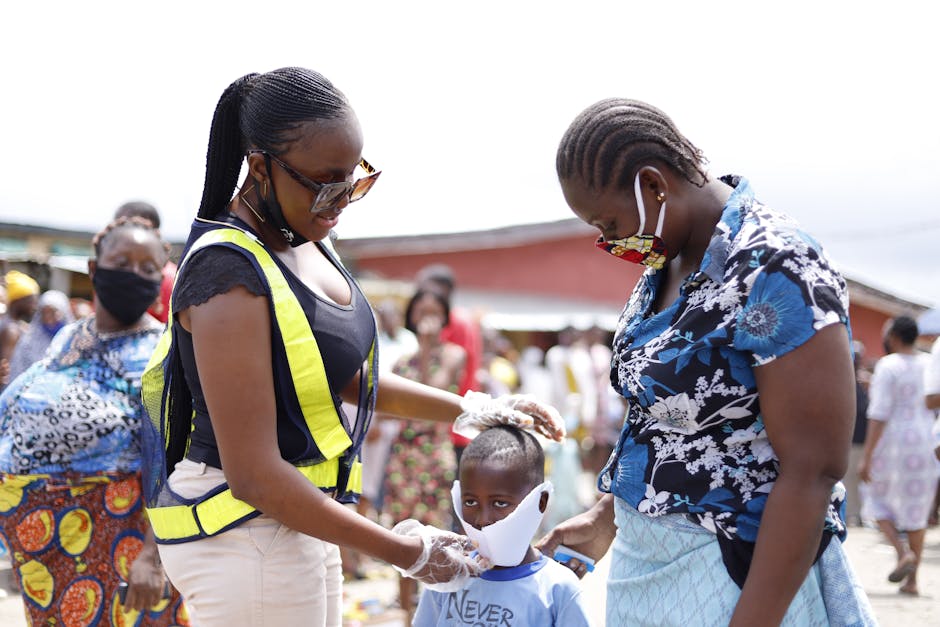
Let’s look at a real-world example. In many rural areas, a woman might have to travel three hours just to get a basic ultrasound or a Pap smear. Because of the distance and the cost, she simply doesn’t go. The BcozSheMatters: WHO Health Ministry roll out campaign on women and girls health and well-being is working to bring “Mobile Health Units” directly to these communities.
Take the case of Sarah, a 45-year-old teacher. Through a local #BcozSheMatters screening camp, she discovered a small lump that turned out to be early-stage breast cancer. Because the campaign brought the screening to her neighborhood, she started treatment immediately. Today, she is cancer-free. This isn’t just a “health outcome”—it’s a life saved, a mother kept with her children, and a teacher kept in her classroom.
Breaking the “Culture of Silence”
One of the biggest hurdles in women’s health isn’t just medicine; it’s sociology. In many cultures, talking about menstruation, menopause, or pelvic health is considered “shameful.”
The WHO and Health Ministry are tackling this head-on through community-led dialogues. They are engaging local leaders, grandmothers, and fathers to understand that a healthy woman is the foundation of a healthy economy. When a woman is healthy, she can work, she can learn, and she can lead. The campaign uses the slogan “Bcoz She Matters” to remind society that her value isn’t just in what she does for others, but in her own right as a human being.
- Education: Teaching girls about their bodies to reduce school dropout rates due to period poverty.
- Empowerment: Giving women the tools to demand better healthcare services in their local districts.
- Equality: Closing the gender pain gap where women’s symptoms are often dismissed by medical professionals.
The Economic Ripple Effect
If you need a reason beyond “it’s the right thing to do,” let’s talk numbers. Economists have found that for every $1 invested in women’s health, there is an economic return of about $20. When women are healthy, they participate more fully in the workforce. Their children are more likely to be healthy and stay in school, creating a cycle of prosperity that lifts entire nations out of poverty.
The Health Ministry’s involvement ensures that these aren’t just high-level goals from the WHO in Geneva, but actionable policies implemented at the local level. This includes funding for local clinics, training for midwives, and subsidized medications for chronic conditions.
Key Takeaways from the #BcozSheMatters Campaign
- Holistic Care: The campaign covers everything from puberty to menopause, not just pregnancy.
- Accessibility: Focus on bringing healthcare to rural and underserved urban areas through mobile units.
- Mental Health: Prioritizing the “invisible” struggles of women, including depression and anxiety.
- Collaboration: A powerful partnership between the WHO’s global expertise and the Health Ministry’s local reach.
- Prevention: A massive push for early screenings for cervical cancer, breast cancer, and hypertension.
How You Can Get Involved
You don’t have to be a doctor to support the BcozSheMatters: WHO Health Ministry roll out campaign on women and girls health and well-being. Change starts with conversation.
Start by checking in on the women in your life. Encourage your mother, sister, or friend to go for that annual check-up they’ve been postponing. Share information about local health camps on your social media. If you are an employer, ensure your workplace policies support women’s health—whether that’s menstrual leave, maternity support, or mental health days.
The more we talk about it, the less “taboo” it becomes. When we normalize women’s health, we save lives.
Frequently Asked Questions (FAQ)
1. What is the main goal of the #BcozSheMatters campaign?
The main goal is to ensure that women and girls have equal access to high-quality healthcare at every stage of their lives, focusing on prevention, mental health, and maternal care.
2. Who is organizing this initiative?
The campaign is a joint effort between the World Health Organization (WHO) and the national Ministry of Health to ensure both global standards and local implementation.
3. Does the campaign only focus on pregnancy?
No. While maternal health is a big part of it, the campaign also focuses on adolescent nutrition, mental health, non-communicable diseases like cancer and diabetes, and the health needs of elderly women.
4. How can I find #BcozSheMatters services in my area?
You can visit your local government health portal or the WHO regional website. Many services are being rolled out through community health centers and mobile screening vans.
5. Why is this campaign specifically for women and girls?
Because historically, women and girls have faced unique barriers to healthcare, including biological differences that were ignored in research and societal norms that prevented them from seeking care. This campaign aims to level the playing field.
Final Thoughts
The launch of the BcozSheMatters: WHO Health Ministry roll out campaign on women and girls health and well-being marks a turning point in global health. It’s a recognition that we cannot have a healthy world if half of its population is left behind.
By investing in the health of a girl today, we are investing in the leader, the innovator, and the nurturer of tomorrow. It’s time we stop asking women to be “resilient” and start giving them the healthcare infrastructure they deserve. Because, at the end of the day, she matters—not just for what she gives to the world, but because of who she is.
Written with love and assistance and refined for quality.
{“@context”:”https://schema.org”,”@type”:”Article”,”headline”:”BcozSheMatters: Why the WHO and Health Ministryu2019s New Campaign is a Game-Changer for Women and Girls”,”description”:”In this article, weu2019ll explore: BcozSheMatters: WHO Health Ministry roll out campaign on women and girls health and well-being and…”,”author”:{“@type”:”Person”,”name”:”Dr. Cuterus”},”datePublished”:”2026-06-03T09:05:15+00:00″,”dateModified”:”2026-06-03T09:05:15+00:00″,”mainEntityOfPage”:”https://healthyworldz.com/bcozshematters-why-the-who-and-health-ministrys-new-campaign-is-a-game-changer-for-women-and-girls-3/”,”image”:[“https://healthyworldz.com/wp-content/uploads/2026/06/bcozshematters-who-health-ministry-roll-out-campaign-on-women-and-girls-health-and-well-being-12.jpg”]}
🔗 Related: Why Am I Losing Inches But…
🔗 Related: Hormonal mechanisms of womens risk in…
🔗 Related: Why womens health needs a system…