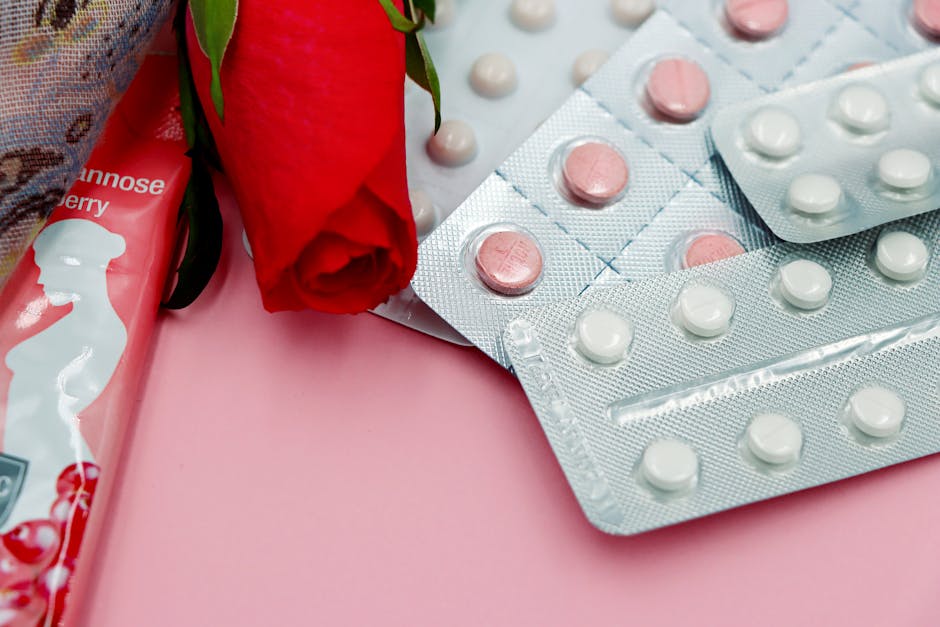
In this article, we’ll explore: Hormonal mechanisms of womens risk in the face of traumatic stress and why it matters today.
Imagine two people witness the same terrifying event. They both experience the shock, the fear, the immediate aftermath. Yet, months later, one is grappling with persistent nightmares, flashbacks, and an overwhelming sense of dread, while the other, though shaken, seems to have processed the event and moved forward. More often than not, the person struggling more intensely is a woman. It’s a stark reality: women are twice as likely as men to develop Post-Traumatic Stress Disorder (PTSD) after experiencing trauma.
For a long time, the focus was primarily on societal factors – the types of trauma women often face, or differences in coping mechanisms. While these are undeniably crucial pieces of the puzzle, they don’t tell the whole story. What if there’s a deeper, more biological layer at play, a hidden symphony conducted by our own internal chemistry? What if our very hormones, those powerful messengers that dictate so much of our female experience, also play a significant role in shaping our vulnerability and resilience to traumatic stress?
This isn’t about blaming our biology or suggesting women are “weaker.” Far from it. This is about understanding, empowering, and acknowledging the intricate dance between our experiences and our physiology. It’s about shedding light on the fascinating and complex **hormonal mechanisms of women’s risk in the face of traumatic stress**, so we can better support ourselves and each other on the path to healing.
The Unseen Battle: Why Women Experience Trauma Differently
The statistics are sobering. Studies consistently show that women are more prone to developing PTSD, even after experiencing the same types of trauma as men. They also tend to experience more severe symptoms, a longer duration of illness, and a greater likelihood of co-occurring conditions like depression and anxiety.
Why this disparity? Beyond the obvious differences in societal roles and exposure to specific types of trauma (like sexual assault, which disproportionately affects women), scientists are increasingly looking inward, to the very cells and systems that make us who we are. And what they’re finding is that our hormones, particularly estrogen, progesterone, and cortisol, are not just bystanders; they are active participants in how our brains process fear, memory, and stress.
Our Hormonal Symphony: Estrogen, Progesterone, and Cortisol
Think of your body as a finely tuned orchestra, and your hormones as the conductors. They dictate everything from your mood and energy levels to your sleep patterns and reproductive health. When a traumatic event strikes, this orchestra can be thrown into disarray, and how each instrument (hormone) responds can profoundly impact your ability to cope and recover.
Estrogen: The Double-Edged Sword
Estrogen, the quintessential female hormone, is celebrated for its role in reproduction, bone health, and even mood regulation. But when it comes to trauma, its influence is a bit more complicated.
Estrogen has a significant impact on brain regions involved in fear and memory, like the amygdala and hippocampus. During certain phases of the menstrual cycle, when estrogen levels are high, it can actually enhance fear conditioning – meaning our brains might be more prone to associating neutral cues with fear, making us more susceptible to triggers after a traumatic event. It can also make memories, including traumatic ones, more vivid and consolidated.
Imagine Sarah, who experiences a car accident. If the accident happens during a phase of her cycle when her estrogen levels are peaking, her brain might be more efficient at encoding the fear associated with the crash, potentially making those intrusive memories and flashbacks more intense in the aftermath. It’s like her brain’s “record” button for fear is on extra-high sensitivity.
Conversely, some research suggests that *stable* estrogen levels might have a protective effect, helping to regulate the stress response. It’s the *fluctuations* and the timing of these fluctuations that seem to matter most in the context of acute trauma.
Progesterone: The Calming Influence… Sometimes
Progesterone is often seen as estrogen’s calmer cousin. It plays a crucial role in preparing the uterus for pregnancy and has significant neuroprotective and anxiolytic (anxiety-reducing) effects in the brain. It does this by metabolizing into a neurosteroid called allopregnanolone, which acts like a natural Valium, calming the nervous system.
So, when progesterone levels are stable and adequate, it can be a powerful buffer against stress and anxiety. However, just like estrogen, its impact isn’t always straightforward.
Consider periods of significant progesterone drop:
* **Pre-menstrually:** The dip in progesterone leading up to menstruation can leave many women feeling more irritable, anxious, and vulnerable. If trauma occurs during this time, or if a woman is already struggling with trauma symptoms, this hormonal shift can exacerbate her distress.
* **Postpartum:** After childbirth, there’s a dramatic crash in progesterone. This sudden drop is a major contributor to the “baby blues” and can increase vulnerability to postpartum depression and anxiety, including perinatal PTSD for those who experienced traumatic births.
* **Perimenopause:** As women approach menopause, progesterone levels often fluctuate wildly before declining significantly. This can lead to increased anxiety, sleep disturbances, and a heightened sense of vulnerability, potentially making existing trauma symptoms worse or reducing resilience to new stressors.
Think of Emily, who has always managed her anxiety fairly well. But after a particularly stressful period at work, coinciding with her usual pre-menstrual dip, she finds herself overwhelmed by intrusive thoughts related to a past difficult experience, something she usually keeps at bay. The drop in her natural calming hormone has left her more exposed.
Cortisol: The Stress Commander
Cortisol is our body’s primary stress hormone, released by the adrenal glands as part of the “fight, flight, or freeze” response. It’s essential for survival, giving us the energy and focus to respond to immediate threats. However, chronic or dysregulated cortisol can be highly detrimental.
While both men and women release cortisol in response to stress, studies suggest that women’s HPA (hypothalamic-pituitary-adrenal) axis, the system that regulates our stress response, might be more sensitive and reactive to certain types of stressors, particularly psychological and social ones.
After trauma, some women show a blunted cortisol response, meaning their bodies aren’t producing enough cortisol to properly regulate the stress system, which can contribute to the persistent fatigue, emotional numbness, and difficulty recovering often seen in PTSD. Others might experience an overly exaggerated response, leading to chronic hyperarousal and anxiety.
This dysregulation of cortisol, influenced by estrogen and progesterone, creates a complex feedback loop that can make it incredibly challenging for women to return to a state of calm after experiencing traumatic stress.
The Menstrual Cycle and Trauma Vulnerability
The ebb and flow of our monthly cycle are not just about reproduction; they are a continuous hormonal experiment that impacts our entire being, including our brain’s response to stress.
* **Follicular Phase (Estrogen Rising):** During the first half of the cycle, as estrogen levels rise, some women might feel more emotionally resilient and better equipped to handle stress. However, as noted earlier, high estrogen can also enhance fear memory consolidation.
* **Luteal Phase (Progesterone Rising, then Dropping):** In the second half, progesterone rises, offering a calming effect. But it’s the *drop* in progesterone just before menstruation, often coupled with a drop in estrogen, that can be particularly challenging. This pre-menstrual window can leave women feeling more irritable, anxious, and emotionally fragile, potentially making them more vulnerable to the impact of traumatic events or exacerbating existing trauma symptoms.
Consider Maya, who underwent a minor surgical procedure. If she had it during her follicular phase, she might have recovered with relatively little emotional distress. But if the same procedure, or a similar stressful event, occurred during her luteal phase when her hormones were shifting dramatically, her emotional response could be far more intense, leading to prolonged anxiety or even a traumatic stress response.
Life Stages and Hormonal Shifts
Our hormonal landscape isn’t static; it undergoes profound transformations throughout our lives, each phase presenting unique challenges and vulnerabilities in the context of trauma.
* **Adolescence:** Puberty brings a surge of hormones, including estrogen, at a time when the brain is still developing. This period of intense hormonal flux and brain maturation can make adolescent girls particularly vulnerable to the lasting effects of trauma, as their stress response systems are still maturing.
* **Pregnancy & Postpartum:** This is a period of monumental hormonal shifts. While pregnancy itself can be protective due to high, stable levels of estrogen and progesterone, the dramatic drop in these hormones after childbirth can leave new mothers incredibly vulnerable. Perinatal PTSD, often stemming from traumatic birth experiences, is a significant concern, with hormonal changes playing a key role in the intensity and persistence of symptoms.
* **Perimenopause & Menopause:** As estrogen and progesterone levels decline and fluctuate erratically, many women experience increased anxiety, insomnia, and mood swings. This hormonal instability can reactivate past trauma, make it harder to cope with current stressors, and reduce overall resilience, leading to a heightened risk of developing or exacerbating PTSD symptoms.
Think of Maria, a new mother who had a difficult, emergency C-section. In the weeks and months following, the combination of sleep deprivation, the immense physical recovery, and the plummeting progesterone levels leaves her feeling overwhelmingly anxious, constantly replaying the birth in her mind, and struggling to bond with her baby. Her hormonal state has magnified her vulnerability to PTSD.
Key Takeaways
Understanding the **hormonal mechanisms of women’s risk in the face of traumatic stress** isn’t about reducing complex human experience to mere chemistry. It’s about recognizing that our biology profoundly influences how we experience and recover from life’s most challenging moments.
Here’s what we need to remember:
* **It’s Not Your Fault, It’s Your Biology:** The increased risk for women isn’t a sign of weakness. It’s an intricate interplay of powerful biological systems that deserve our attention and understanding.
* **Hormones Are Powerful Players:** Estrogen, progesterone, and cortisol are not just reproductive hormones; they are neuro-regulators that directly impact brain function, memory, and emotional processing, especially in response to stress.
* **Timing Matters:** The phase of your menstrual cycle, pregnancy, postpartum, or menopausal transition can significantly influence your vulnerability and resilience to trauma.
* **Knowledge is Empowerment:** By understanding these mechanisms, we can better advocate for ourselves, seek appropriate support, and develop more targeted healing strategies.
* **Holistic Approaches are Key:** Healing from trauma requires addressing not just the psychological aspects but also considering the physiological underpinnings, including hormonal balance.
By acknowledging and studying these hormonal influences, we can move towards more personalized and effective interventions for women struggling with the aftermath of trauma. It’s a journey of self-discovery, resilience, and ultimately, deeper healing.
FAQ Section
Q1: Does this mean women are “weaker” or more fragile when it comes to trauma?
Absolutely not. It means women’s bodies and brains are wired differently, in complex ways that can sometimes make them more susceptible to certain aspects of traumatic stress. This difference isn’t a weakness; it’s a biological reality that requires specific understanding and support. Our bodies are incredibly resilient, but they also have unique vulnerabilities.
Q2: What can women do to mitigate these hormonal risks after experiencing trauma?
Knowledge is the first step!
- **Track Your Cycle:** Understanding how your hormones fluctuate can help you anticipate periods of potential vulnerability.
- **Prioritize Self-Care:** Especially during vulnerable phases (e.g., pre-menstrual, postpartum, perimenopausal), focus on stress reduction techniques like mindfulness, yoga, adequate sleep, and nutrition.
- **Seek Professional Support:** Therapy (especially trauma-informed therapies like EMDR or CBT) is crucial. A healthcare provider knowledgeable about women’s health and hormones can also assess your hormonal balance and discuss potential interventions if needed.
- **Advocate for Yourself:** If you feel your hormonal shifts are impacting your trauma recovery, discuss it openly with your doctor or therapist.
Q3: Are there differences in how men’s hormones impact trauma?
Yes, men’s hormones, particularly testosterone, also play a role in their stress response and trauma vulnerability. Testosterone can have anxiolytic (anxiety-reducing) effects and influence fear extinction. However, the focus of this article is specifically on the unique hormonal landscape of women, which involves cyclical and life-stage-dependent fluctuations of estrogen and progesterone that are absent in men.
Q4: Should I talk to my doctor about my hormones if I’ve experienced trauma?
If you suspect your hormonal health might be impacting your ability to cope with or recover from trauma, or if you’re experiencing significant mood swings related to your cycle or life stage, it’s definitely a good idea to speak with a doctor or an endocrinologist. They can help assess your hormonal balance and discuss whether specific interventions might be beneficial alongside psychological therapies.
Written with love and assistance and refined for quality.
Learn more: Hormonal mechanisms of womens risk in the face of traumatic stress on Investopedia
{“@context”:”https://schema.org”,”@type”:”Article”,”headline”:”Beyond the Brain: Unpacking the Hormonal Mechanisms of Women’s Risk in the Face of Traumatic Stress”,”description”:”In this article, weu2019ll explore: Hormonal mechanisms of womens risk in the face of traumatic stress and why it matters…”,”author”:{“@type”:”Person”,”name”:”rahuljait”},”datePublished”:”2026-05-08T13:32:30+00:00″,”dateModified”:”2026-05-08T13:32:30+00:00″,”mainEntityOfPage”:”https://healthyworldz.com/beyond-the-brain-unpacking-the-hormonal-mechanisms-of-womens-risk-in-the-face-of-traumatic-stress/”,”image”:[“https://healthyworldz.com/wp-content/uploads/2026/05/hormonal-mechanisms-of-womens-risk-in-the-face-of-traumatic-stress.jpg”]}
🔗 Related: 8 Foods To Avoid With an…
🔗 Related: Women with polycystic ovary syndrome exhibit…
🔗 Related: Hormonal mechanisms of womens risk in…