In this article, we’ll explore: 8 Foods To Avoid With an Upset Stomachand What To Eat Instead and why it matters today.
Related:
👉 Beyond Buzzwords: Your Real-World Guide to Sustainable Wellness
👉 fitness (2026) – Full Breakdown
Learn more: 8 Foods To Avoid With an Upset Stomachand What To Eat Instead on Wikipedia
You know that feeling. It starts as a little rumble, then a knot, and before you know it, your stomach is doing a full-on protest. Nausea, cramps, bloating, the dreaded dash to the bathroom – an upset stomach is miserable, right? It throws off your whole day, makes you want to curl up in bed, and leaves you wondering, “What did I even eat?!”
When your gut is in distress, your body is sending a clear signal: something isn’t right. And while sometimes it’s a virus or stress, often, the food we choose plays a massive role in how quickly we recover (or how much worse we feel). It’s a delicate balance, and making the wrong food choices can feel like adding fuel to a fire.
But here’s the good news: you have more control than you think. Understanding what to steer clear of and what to embrace can be your superpower in getting back to feeling like yourself. So, if you’re battling a grumpy gut and searching for answers, you’ve come to the right place. Today, we’re diving deep into **8 foods to avoid with an upset stomach and what to eat instead** to help soothe your system and get you on the road to recovery.
The Culprits: 8 Foods to Steer Clear Of When Your Stomach is Upset
When your stomach lining is already irritated or your digestive system is working overtime, certain foods can act like sandpaper, making things much, much worse. Let’s look at the usual suspects:
1. Spicy Foods
Oh, how we love a good kick! But when your stomach is upset, that fiery sensation from capsaicin (the compound that makes chilies hot) can irritate the delicate lining of your esophagus and stomach. It’s like pouring gasoline on a small flame. Imagine you’re already feeling a bit queasy, and then you bite into a jalapeño-laden taco. The burning sensation isn’t just in your mouth; it can trigger heartburn, acid reflux, and even intensify stomach cramps. I once had a friend who, feeling brave with a mild case of indigestion, decided a spicy curry would “clear things out.” Let’s just say it cleared him out, alright – straight to the bathroom for the rest of the evening!
2. Fatty and Greasy Foods
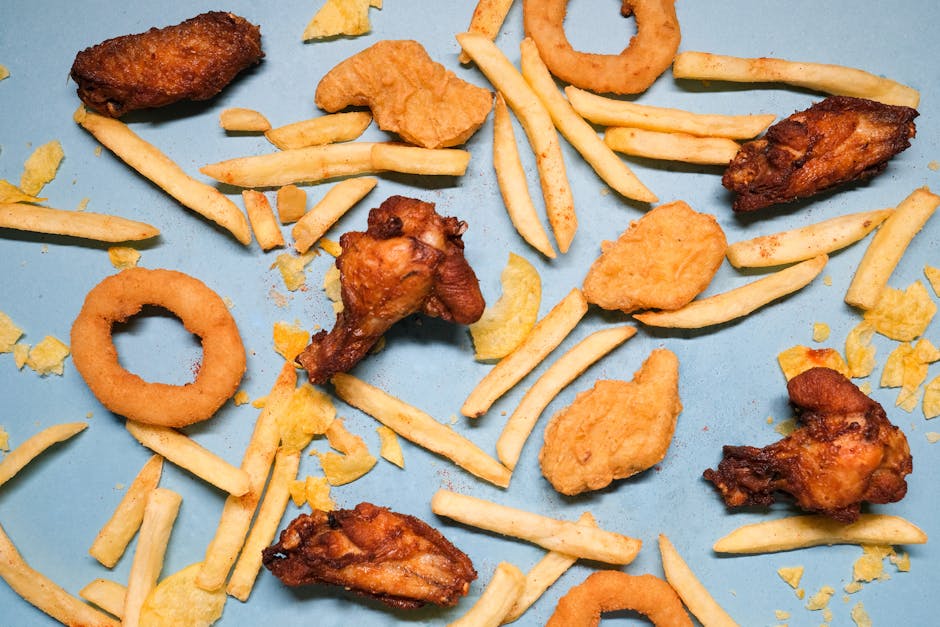
Think about that juicy burger, crispy fries, or a rich, creamy sauce. Delicious, right? But these foods are notoriously difficult for your body to break down, especially when your digestive system is already compromised. High-fat foods slow down gastric emptying, meaning they sit in your stomach longer, leading to bloating, nausea, and indigestion. They also trigger the release of bile, which can be irritating when your gut is sensitive. If you’ve ever felt that heavy, sluggish feeling after a greasy meal, multiply that by ten when your stomach is already unhappy.
3. Dairy Products (Especially for the Lactose Intolerant)
Milk, cheese, ice cream – for many, these are comfort foods. However, if you’re even mildly lactose intolerant (which many people are without realizing it, especially when their gut is stressed), dairy can be a nightmare. Lactose is a sugar found in milk, and without enough lactase enzyme to break it down, it ferments in your gut, leading to gas, bloating, cramps, and diarrhea. Even if you usually tolerate dairy, an upset stomach can temporarily reduce your lactase production, making dairy a risky choice. It’s like trying to run a marathon with a sprained ankle – your body just isn’t equipped for the extra work.
4. Acidic Foods and Drinks
Citrus fruits (oranges, lemons, grapefruit), tomatoes, and certain fruit juices are packed with natural acids. While great for you normally, when your stomach lining is already inflamed or sensitive, these acids can act as irritants. They can worsen heartburn, acid reflux, and general stomach discomfort. Picture your stomach as a raw wound; you wouldn’t pour lemon juice on it, would you? The same principle applies here. That glass of orange juice you think is healthy might actually be making your nausea worse.
5. Caffeine
For many of us, coffee is a non-negotiable morning ritual. But caffeine is a stimulant that can increase stomach acid production and act as a diuretic, potentially leading to dehydration, which is the last thing you need when you’re feeling unwell. It also speeds up gut motility, which might sound good if you’re constipated, but if you’re already experiencing diarrhea or cramps, it can exacerbate the problem. Swapping your usual strong brew for a gentler alternative is a wise move when your stomach is protesting.
6. Alcohol
This one might seem obvious, but it’s worth stating clearly. Alcohol is a toxin that your liver works hard to process. It irritates the stomach lining, increases stomach acid, and can lead to dehydration. Even a small amount can worsen nausea, acid reflux, and diarrhea. Trying to “cure” an upset stomach with a “hair of the dog” is a myth that will only prolong your misery and damage your digestive system further. Give your body a complete break from alcohol until you’re fully recovered.
7. Processed and Sugary Foods
Candy, cookies, sugary cereals, and highly processed snacks often contain artificial ingredients, unhealthy fats, and refined sugars. These can disrupt the delicate balance of your gut microbiome, feeding “bad” bacteria and leading to gas, bloating, and inflammation. The sudden sugar rush followed by a crash can also make you feel even more fatigued and unwell. When your body is trying to heal, it needs real, nourishing food, not empty calories and chemical additives.
8. Raw Vegetables & High-Fiber Foods (Temporarily)
Now, don’t get me wrong, raw vegetables and high-fiber foods are fantastic for your health most of the time! But when your stomach is truly upset, they can be challenging to digest. The tough fibers in raw veggies, legumes, and whole grains require a lot of work from your digestive system, potentially leading to increased gas, bloating, and cramping. Think of it this way: your stomach is on vacation, and you’re asking it to run a marathon. Temporarily opting for cooked, softer vegetables and lower-fiber options can give your gut a much-needed break.
Your Stomach’s Best Friends: What to Eat Instead
Okay, so we know what to avoid. But what *can* you eat when your stomach feels like a battleground? The key is bland, easy-to-digest, and hydrating foods that won’t irritate your system but will provide essential nutrients.
Bananas
Part of the famous BRAT diet, bananas are gentle on the stomach, easy to digest, and a good source of potassium, which you might lose if you’ve been experiencing vomiting or diarrhea. They also contain pectin, a soluble fiber that can help firm up stools.
Plain White Rice
Another BRAT diet staple, plain white rice (not brown rice, which has more fiber) is bland, easy to digest, and can help bind stools. It provides simple carbohydrates for energy without irritating your gut. Think of it as a soft landing for your digestive system.
Applesauce
Yet another BRAT component! Applesauce is easy to digest, especially when cooked, and also contains pectin. Make sure it’s unsweetened to avoid extra sugar, which can be counterproductive.
Dry Toast or Crackers
Plain white toast (without butter or jam) or simple saltine crackers are easy on the stomach and can help absorb stomach acid, potentially easing nausea. They offer simple carbohydrates for a bit of energy without any complex ingredients to irritate your gut.
Ginger
Ginger is a natural anti-nausea remedy. You can sip on ginger tea (made from fresh ginger root, not heavily sweetened soda) or chew on a small piece of candied ginger. Many people swear by ginger ale, but look for brands made with real ginger and less sugar.
Clear Broths
Chicken or vegetable broths are fantastic for hydration and provide essential electrolytes and some nutrients without being heavy. They’re soothing and easy for your stomach to handle. Just make sure they’re low in fat and not overly seasoned.
Plain Oatmeal
Cooked oatmeal (made with water, not milk) is a gentle source of soluble fiber, which can be soothing to the digestive tract. Avoid instant oatmeal with added sugars or flavors; stick to plain rolled oats.
Baked Chicken or Fish
Once you’re ready for a little protein, plain baked chicken breast or white fish (like cod or tilapia) are excellent choices. They are lean, easy to digest, and provide necessary nutrients for recovery without putting strain on your system. Avoid frying or heavy seasoning.
Key Takeaways for a Happy Tummy
- Listen to Your Body: Everyone is different. Pay attention to how certain foods make you feel.
- Keep it Bland: When in doubt, opt for plain, unseasoned, and easy-to-digest foods.
- Stay Hydrated: Sip on water, clear broths, or ginger tea throughout the day.
- Small, Frequent Meals: Don’t overload your stomach. Smaller portions more often are better than large meals.
- Gradual Reintroduction: As you feel better, slowly reintroduce other foods, starting with cooked vegetables and lean proteins.
FAQ: Your Upset Stomach Questions Answered
Q: Is the BRAT diet (Bananas, Rice, Applesauce, Toast) still recommended for an upset stomach?
A: Yes, the BRAT diet is still widely recommended for its blandness and ease of digestion, making it excellent for soothing an upset stomach, especially with diarrhea or nausea. However, it’s very restrictive and lacks many essential nutrients, so it should only be followed for a short period (24-48 hours) until you can tolerate a wider range of foods.
Q: Can I drink coffee if my stomach is upset?
A: It’s generally best to avoid coffee when your stomach is upset. Caffeine can increase stomach acid production and gut motility, potentially worsening nausea, heartburn, or diarrhea. Opt for herbal teas like ginger or peppermint, or just plain water, until you feel better.
Q: How long should I eat bland foods after an upset stomach?
A: Continue with bland foods for 24-48 hours after your symptoms subside. Then, gradually reintroduce your regular diet, starting with cooked, low-fiber vegetables and lean proteins. If symptoms return, go back to bland foods for a bit longer.
Q: When should I see a doctor for an upset stomach?
A: While most upset stomachs resolve on their own, you should see a doctor if you experience severe abdominal pain, high fever, bloody or black stools, persistent vomiting or diarrhea (especially if signs of dehydration appear), or if symptoms last for more than a few days. Always consult a healthcare professional if you have concerns.
Feeling Better, One Bite at a Time
Dealing with an upset stomach is no fun, but armed with the knowledge of what to avoid and what to embrace, you can significantly speed up your recovery. Remember, your body is incredibly resilient, but it needs a little help and the right fuel to heal. By making smart, gentle food choices, you’re giving your digestive system the best chance to recover and get you back to feeling vibrant and energetic.
So, the next time your tummy starts grumbling, take a deep breath, reach for those soothing options, and give your gut the tender loving care it deserves. Here’s to feeling better, one mindful bite at a time!
Written with love and assistance and refined for quality.
{“@context”:”https://schema.org”,”@type”:”Article”,”headline”:”Tummy Troubles? Here Are the 8 Foods To Avoid With an Upset Stomach and What To Eat Instead to Feel Better Fast!”,”description”:”In this article, weu2019ll explore: 8 Foods To Avoid With an Upset Stomachand What To Eat Instead and why it…”,”author”:{“@type”:”Person”,”name”:”rahuljait”},”datePublished”:”2026-05-08T13:32:58+00:00″,”dateModified”:”2026-05-08T13:32:58+00:00″,”mainEntityOfPage”:”https://healthyworldz.com/tummy-troubles-here-are-the-8-foods-to-avoid-with-an-upset-stomach-and-what-to-eat-instead-to-feel-better-fast/”,”image”:[“https://healthyworldz.com/wp-content/uploads/2026/05/8-foods-to-avoid-with-an-upset-stomachand-what-to-eat-instead.jpg”]}
🔗 Related: Women with polycystic ovary syndrome exhibit…
🔗 Related: Hormonal mechanisms of womens risk in…
🔗 Related: 8 Foods To Avoid With an…