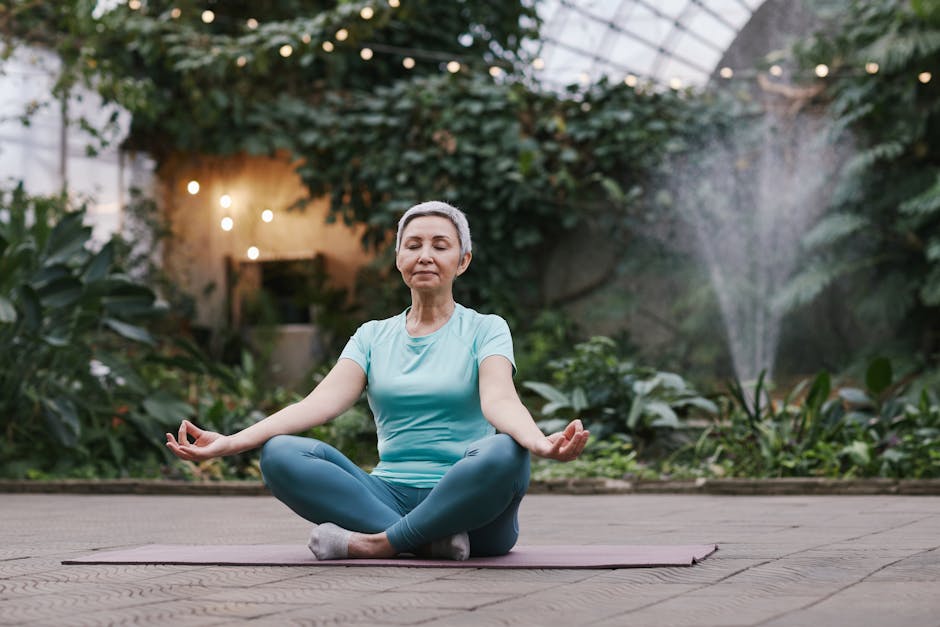
In this article, we’ll explore: wellness and why it matters today.
Related:
👉 fitness (2026) – Full Breakdown
👉 pcod, period, menstrual, fitness, sleep, stress (2026) – What You Must Know
👉 Pee Safe's new campaign with Smriti Mandhana says struggling through periods is a choice the brand is cancel.. (2026) – What You Must Know
Learn more: wellness on Google Search
Ever feel like the word “wellness” is thrown around so much it’s lost all meaning? Like it’s something only super-rich people with endless free time and personal chefs can achieve? Green juices, yoga retreats in Bali, meditation apps that cost more than your weekly groceries – it can all feel a bit… out of reach, right?
Well, let’s hit pause on that idea right now. Because true **wellness** isn’t about perfection, expensive fads, or checking off a list of trendy activities. It’s about finding a sustainable, balanced way of living that makes *you* feel good, inside and out. It’s about building habits that support your best self, not just for a week, but for a lifetime.
As an SEO expert and a professional blog writer, I’ve seen countless articles dissecting every niche aspect of wellness. But today, we’re going to strip it back to basics. We’re going to talk about real-life wellness that fits into your busy schedule, respects your budget, and genuinely improves your quality of life. Think less “aspirational Instagram model” and more “happier, healthier, more resilient you.”
What Even *Is* Wellness, Anyway? (And Why It’s More Than Green Juice)
For a long time, many of us equated wellness primarily with physical fitness or diet. We thought if we hit the gym five times a week and ate nothing but salads, we were “well.” And while those things are certainly part of the picture, they’re far from the whole masterpiece.
Imagine wellness not as a single ingredient, but as a delicious, complex stew. It’s made up of many different elements, all simmering together to create a nourishing whole. When we talk about holistic wellness, we’re looking at these key dimensions:
* **Physical Wellness:** How well your body functions – nutrition, exercise, sleep, hydration.
* **Mental Wellness:** Your cognitive abilities, learning, problem-solving, and mental clarity.
* **Emotional Wellness:** Understanding and managing your feelings, coping with stress, building resilience.
* **Social Wellness:** Connecting with others, building healthy relationships, feeling a sense of belonging.
* **Spiritual Wellness:** Finding purpose and meaning in life, aligning with your values, not necessarily religious.
* **Environmental Wellness:** Creating a healthy, inspiring, and safe personal space and respecting the planet.
* **Financial Wellness:** Managing your resources to live within your means, reduce stress, and plan for the future.
See? It’s a lot! But here’s the good news: you don’t have to perfect every single one overnight. The journey of **wellness** is about making small, consistent improvements across these areas, finding what resonates with *you*, and building a life that feels genuinely good.
I remember my friend, Mark, who was obsessed with running marathons. He was physically shredded, but he was constantly stressed about work, barely slept, and his relationships suffered because he was always training. He thought he was the picture of wellness, but he was missing huge pieces of the puzzle. It wasn’t until he started prioritizing sleep, scheduling time with friends, and learning to say “no” at work that he truly understood what holistic wellness meant. His body was still strong, but now his mind and heart were too.
The Pillars of a Balanced Wellness Journey
Let’s break down how you can start building your own robust foundation for wellness, one manageable step at a time.
Nourish Your Body, Inside and Out
This is where most people start, and for good reason. How you treat your body profoundly impacts everything else.
* **Mindful Eating, Not Restrictive Diets:** Instead of chasing the latest diet trend, focus on eating whole, unprocessed foods most of the time. Pay attention to *how* you eat – slowly, without distractions, listening to your body’s hunger and fullness cues. It’s not about being “good” or “bad”; it’s about making choices that fuel you well.
* **Hydration is Key:** Water is vital for every bodily function. Make it a habit to sip water throughout the day. Keep a water bottle handy.
* **Movement That Feels Good:** You don’t need to become an Olympic athlete. Find physical activities you genuinely enjoy. Maybe it’s dancing, walking in a park, gardening, swimming, or playing with your kids. The goal is consistent movement, not punishing workouts. My neighbor, Sarah, used to dread the gym. Now, she just walks her dog for an hour every morning, and she’s never felt better – physically or mentally. That’s wellness in action!
* **Prioritize Sleep:** This is often the first thing to go, but it’s arguably the most crucial. Aim for 7-9 hours of quality sleep per night. Create a relaxing bedtime routine, limit screen time before bed, and make your bedroom a sanctuary.
Cultivate a Calm & Resilient Mind
Your mental state profoundly impacts your overall wellness.
* **Manage Stress Effectively:** Stress is unavoidable, but how you respond to it is key. Explore techniques like deep breathing, meditation (even 5 minutes a day can make a difference!), journaling, or spending time in nature.
* **Practice Emotional Awareness:** Learn to identify your emotions without judgment. It’s okay to feel sad, angry, or frustrated. The goal isn’t to suppress feelings but to understand and process them constructively.
* **Limit Digital Overwhelm:** Our screens constantly demand our attention. Schedule “digital detox” times, set boundaries with notifications, and be intentional about your online consumption. John, a graphic designer, used to spend hours scrolling after work. He started a rule: no phone after 9 PM. He replaced scrolling with reading a book or listening to music, and found his anxiety significantly reduced.
Connect with Your World (And Yourself)
Humans are social creatures; connection is fundamental to our well-being.
* **Nurture Relationships:** Invest time and energy in your friendships, family ties, and community connections. Reach out, listen, and offer support. These bonds are a powerful buffer against stress and loneliness.
* **Find Your Purpose:** What gives your life meaning? It could be your work, a hobby, volunteering, or raising a family. Having a sense of purpose fuels your spirit and provides direction.
* **Embrace Nature:** Spending time outdoors has incredible benefits for both physical and mental health. Take a walk in a park, sit by a lake, or simply tend to a houseplant.
Financial Wellness: The Often-Forgotten Piece
Money stress can be a huge obstacle to overall wellness. Addressing it head-on is vital.
* **Budgeting & Saving:** Understanding where your money goes and having a plan for saving can significantly reduce anxiety. Even small, consistent steps make a difference.
* **Reduce Debt:** High-interest debt can be a heavy burden. Create a strategy to pay it down, even if it’s just making slightly larger payments than the minimum.
* **Plan for the Future:** Having a sense of security about your financial future, whether it’s retirement savings or an emergency fund, brings immense peace of mind. I’ve seen couples transform their relationship simply by getting honest about their finances and working together on a plan. The relief was palpable.
Environmental Wellness: Your Space, Your Serenity
Your immediate surroundings have a profound impact on your mood and productivity.
* **Declutter and Organize:** A cluttered space often leads to a cluttered mind. Take small steps to tidy up your home and workspace.
* **Clean Living:** Be mindful of the air you breathe and the products you use in your home. Consider natural cleaning alternatives and good ventilation.
* **Bring Nature Indoors:** Plants can improve air quality and add a sense of calm and beauty to your environment.
Dispelling Wellness Myths: What It’s NOT
Before we move to actionable steps, let’s bust a few common myths about **wellness**:
* **It’s NOT about Perfection:** There will be days you eat pizza, skip a workout, or feel overwhelmed. That’s human. Wellness is about consistency over perfection, progress over immediate results.
* **It’s NOT Necessarily Expensive:** You don’t need a gym membership, a personal trainer, or fancy supplements. Walks are free, healthy cooking at home is often cheaper, and meditation can be done anywhere.
* **It’s NOT a Destination:** You don’t “achieve” wellness and then stop. It’s an ongoing journey, a continuous practice of self-care and self-improvement. Life throws curveballs, and wellness is about building the resilience to navigate them.
Your First Steps Towards a Happier, Healthier You
Feeling overwhelmed by all this? Don’t be! The beauty of wellness is that you get to choose your own adventure. Here’s how to start without feeling like you’re climbing Mount Everest:
* **Identify ONE Area:** Look at the different dimensions of wellness. Which one feels like it needs the most attention right now? Or, more importantly, which one feels like the easiest, most motivating place to start? Maybe it’s drinking more water, or going for a 15-minute walk.
* **Set a Tiny, Achievable Goal:** Don’t aim for a complete overhaul. Aim for something so small you *can’t* fail.
* Instead of “Exercise every day,” try “Walk around the block after dinner twice this week.”
* Instead of “Meditate for an hour,” try “Take 3 deep breaths before checking my phone in the morning.”
* Instead of “Overhaul my diet,” try “Add one serving of vegetables to dinner three times this week.”
* **Track Your Progress (Gently):** A simple journal or a note on your phone can help you see how far you’ve come. This isn’t about judgment, but about celebrating consistency.
* **Celebrate Small Wins:** Acknowledging your efforts, no matter how small, builds momentum and reinforces positive habits.
* **Be Kind to Yourself:** There will be setbacks. Don’t beat yourself up. Just acknowledge it and get back on track. This is a journey, not a race.
* **Seek Support:** Share your goals with a trusted friend, family member, or even a community group. Having someone to cheer you on or hold you gently accountable can be incredibly helpful.
True **wellness** is about building a life that nourishes you, supports your growth, and allows you to thrive. It’s about listening to your own needs, making conscious choices, and treating yourself with the same care and compassion you’d offer a dear friend. It’s within your reach, starting today.
Key Takeaways
- **Wellness is holistic:** It encompasses physical, mental, emotional, social, spiritual, environmental, and financial aspects.
- **It’s a journey, not a destination:** There’s no “perfect” state; it’s about continuous, sustainable improvement.
- **Start small and be consistent:** Tiny, daily habits build significant change over time.
- **It’s personal:** What works for one person might not work for another. Find your own path.
- **Self-compassion is crucial:** Don’t aim for perfection; embrace progress and learn from setbacks.
- **You don’t need to spend a fortune:** Many effective wellness practices are free or low-cost.
FAQ Section
Q: Is wellness just for rich people or those with a lot of free time?
A: Absolutely not! While some wellness trends can be expensive, the core principles of wellness – eating well, moving your body, managing stress, connecting with others, sleeping enough – are accessible to everyone regardless of income or schedule. It’s about making intentional choices within your means.
Q: How do I know where to start my wellness journey?
A: The best way to start is to pick one small area that feels most manageable or most impactful to you right now. Don’t try to change everything at once. For example, if you struggle with sleep, focus on a consistent bedtime routine for a week. If you feel stressed, try 5 minutes of mindful breathing daily. Small steps lead to big changes.
Q: How long does it take to see results from focusing on wellness?
A: You might start *feeling* better within days or weeks, especially with changes like improved sleep or hydration. Tangible results, like significant shifts in mood or physical fitness, often take a few months of consistent effort. Remember, wellness is a lifelong practice, so the “results” are continuous improvements to your overall quality of life.
Q: What if I fall off track? Does that mean I’ve failed at wellness?
A: Not at all! Falling off track is a normal part of any journey. The key is how you respond. Instead of seeing it as a failure, view it as a momentary pause. Acknowledge what happened without judgment, and then gently redirect yourself back to your goals. Self-compassion is a cornerstone of sustainable wellness.
Q: Can wellness help with specific health conditions?
A: While wellness practices are not a substitute for medical treatment, they can significantly support overall health and well-being, often alleviating symptoms and improving quality of life for many conditions. Always consult with your healthcare provider for specific health concerns.
Written with love and assistance and refined for quality.
{“@context”:”https://schema.org”,”@type”:”Article”,”headline”:”Beyond Buzzwords: Your Real-World Guide to Sustainable Wellness”,”description”:”In this article, weu2019ll explore: wellness and why it matters today.Related:ud83dudc49 fitness (2026) – Full Breakdownud83dudc49 pcod, period, menstrual, fitness,…”,”author”:{“@type”:”Person”,”name”:”rahuljait”},”datePublished”:”2026-05-07T19:34:48+00:00″,”dateModified”:”2026-05-07T19:34:48+00:00″,”mainEntityOfPage”:”https://healthyworldz.com/beyond-buzzwords-your-real-world-guide-to-sustainable-wellness/”,”image”:[“https://healthyworldz.com/wp-content/uploads/2026/05/wellness.jpg”]}
🔗 Related: stomach pain