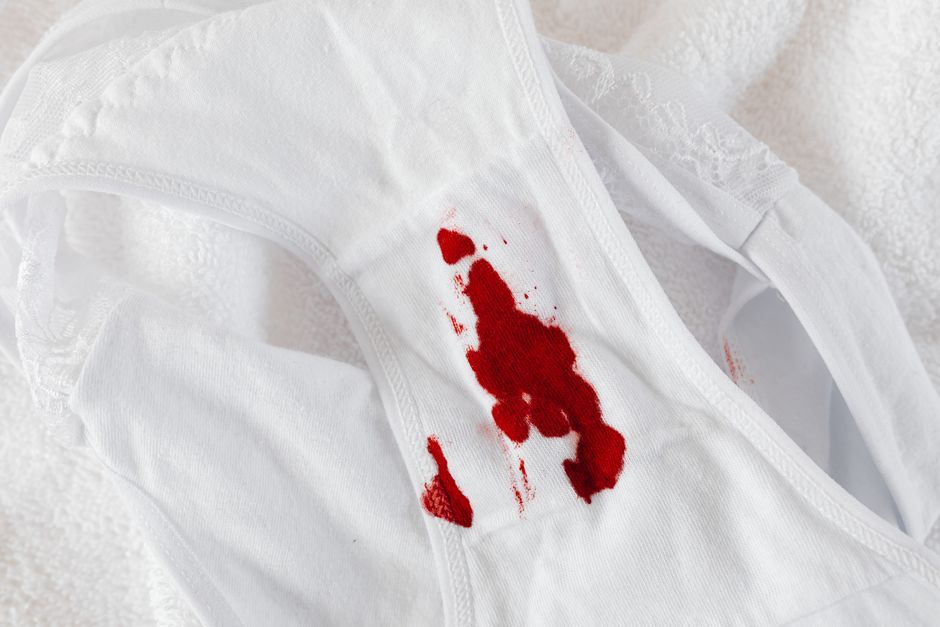
In this article, we’ll explore: Period poverty: causes and related issues and why it matters today.
Related:
👉 Understanding Pelvic Health: Why Perineal Muscle Strength Matters for Young Moms in Mangaluru
👉 More Than a Monthly Cycle: Understanding Period Poverty, Its Causes, and the Issues We Can’t Ignore
👉 Understanding Why PCOS Makes Conception Difficult: The New Science of Histone Lactylation and Endometrial Receptivity
Learn more: Period poverty: causes and related issues on Wikipedia
Imagine for a second that you are a fifteen-year-old student. You’re sitting in class, trying to focus on a math equation, but all you can think about is the fact that you’re on your period. You don’t have a pad or a tampon. You’ve used a handful of bundled-up toilet paper from the school bathroom, but you know it won’t last the next hour. You’re terrified of leaking through your jeans, the shame that would follow, and the whispers in the hallway.
For millions of people around the world, this isn’t a hypothetical scenario. It is a monthly reality. This is the heart of period poverty: causes and related issues that stretch far beyond just “not having enough money for pads.” It is a global crisis of health, education, and basic human dignity.
In this post, we’re going to peel back the layers of this issue. We’ll look at why it happens, the devastating ripple effects it has on society, and why talking about it is the first step toward fixing it.
What is Period Poverty, Really?
When we hear the word “poverty,” we usually think of a lack of food or shelter. Period poverty is a specific branch of that struggle. It refers to the lack of access to menstrual products, hygiene facilities, and the education needed to manage menstruation safely and with dignity.
It’s important to realize that this isn’t just a “developing world” problem. While it is incredibly severe in many countries in Africa and Asia, it is also happening in the United States, the UK, and across Europe. Whether it’s a homeless person in London or a low-income student in New York, the struggle to manage a biological process is a heavy burden to carry alone.
The Root of the Problem: Period Poverty: Causes and Related Issues
To solve a problem, we have to understand where it starts. The causes of period poverty are often structural, meaning they are built into the way our societies and economies function.
1. The High Cost of Menstrual Products
The most obvious cause is the price tag. For someone living paycheck to paycheck, spending $10 to $15 a month on pads or tampons can mean choosing between hygiene and a meal. Over a lifetime, the average person spends thousands of dollars on menstrual products. When you add the “Tampon Tax”—where many governments still categorize period products as “luxury items” rather than “essentials”—the financial barrier becomes even higher.
2. Lack of Clean Water and Private Spaces
You can have all the pads in the world, but if you don’t have a private bathroom with clean, running water, you can’t manage your period safely. In many parts of the world, schools and workplaces lack gender-segregated toilets. This lack of infrastructure forces people to stay home to avoid the embarrassment and hygiene risks of managing their period in public.
3. Deep-Seated Cultural Stigma
In many cultures, menstruation is still treated as something “dirty” or “shameful.” In some regions, people are forbidden from cooking, entering places of worship, or even touching others while on their period. This silence prevents people from asking for help or demanding better resources. When we don’t talk about it, the problem stays hidden in the shadows.
4. A Gap in Education
Many young people start their periods without ever having a conversation about what is happening to their bodies. Without proper education, they may use unsafe materials or feel a deep sense of fear and confusion. Education isn’t just for those who menstruate; it’s for everyone. When boys and men aren’t educated about periods, it fuels the cycle of bullying and stigma.
The Related Issues: Why This Matters for Everyone
Period poverty doesn’t exist in a vacuum. It triggers a domino effect that impacts education, health, and the economy.
The “Missing Days” in Education
Think about the girl we mentioned at the start of this post. If she doesn’t have products, she likely won’t show up to school. Research shows that in some parts of Sub-Saharan Africa, one in ten girls misses school during their menstrual cycle. Over time, these missing days add up, leading to lower grades and a higher likelihood of dropping out entirely. This widens the gender gap and limits future career opportunities.
Serious Health Risks
When someone can’t afford proper products, they get creative—but not in a good way. People turn to old rags, newspapers, husks of corn, or even sand to absorb the flow. These materials are often unhygienic and can lead to severe reproductive and urinary tract infections. Furthermore, some people try to make a single tampon or pad last for 24 hours to save money, which puts them at risk for Toxic Shock Syndrome (TSS), a life-threatening condition.
The Psychological Toll
The mental health impact of period poverty is often overlooked. The constant anxiety of “will I leak?” and the shame associated with being unable to stay clean leads to a massive drop in self-esteem. It makes people feel invisible and less than human. No one should feel ashamed of a natural body function, yet millions do every single month.
Real-World Examples: Putting a Face to the Crisis
To understand the gravity of period poverty: causes and related issues, we look at the stories of those living through it.
- Maya’s Story (USA): Maya is a college student working two part-time jobs. After paying rent and tuition, she has $20 left for the week. She chooses to buy a large bag of rice and beans to eat, meaning she has to “borrow” extra napkins from the fast-food restaurant where she works to use as pads. She feels a constant sense of dread every time her cycle approaches.
- Anika’s Story (India): In Anika’s village, menstruation is a taboo topic. When she got her first period, she thought she was dying because no one had told her what it was. She was told she couldn’t enter the kitchen for five days. Because her school has no private toilet, she stays home every month, falling further behind her male classmates in science and math.
How We Can Bridge the Gap
The good news? This is a solvable problem. We are seeing a global movement to end period poverty, but there is still a long way to go.
Policy Changes
Scotland made history by becoming the first country to make period products free for everyone. Other countries are following suit by removing the “Tampon Tax.” Governments need to recognize that menstrual products are as essential as toilet paper and soap in public spaces.
Normalizing the Conversation
We need to stop using code words like “Aunt Flo” or “that time of the month” as if we’re talking about a secret crime. By speaking openly about menstruation, we break down the stigma that keeps people in poverty. Men and boys must be part of this conversation to foster a culture of empathy rather than mockery.
Supporting Grassroots Organizations
There are incredible charities working to distribute reusable pads, menstrual cups, and education kits to those in need. Supporting these organizations—whether through donations or volunteering—makes a direct impact on someone’s life.
Key Takeaways
- Period poverty is a global issue: It affects people in both wealthy and developing nations.
- It’s more than just money: Causes include high costs, lack of infrastructure, stigma, and poor education.
- Health and Education are at risk: Lack of products leads to school dropouts and dangerous infections.
- Stigma is a barrier: Silence around menstruation prevents progress and policy changes.
- Solutions are available: Tax removal, free products in schools, and open dialogue can end the crisis.
Frequently Asked Questions (FAQ)
Is period poverty only about not being able to afford pads?
No. While affordability is a huge part of it, it also includes the lack of access to clean water, private toilets, and accurate information about how to manage a period safely.
Does period poverty happen in developed countries like the US or UK?
Yes, absolutely. Studies have shown that a significant percentage of low-income students in the US have struggled to afford period products, often missing school as a result.
What is the “Tampon Tax”?
The Tampon Tax refers to the sales tax or VAT applied to menstrual products. In many places, these items are taxed as non-essential or luxury goods, while items like Viagra or men’s razors are sometimes tax-exempt.
How can I help end period poverty?
You can donate products to local shelters, support charities that provide menstrual kits, and advocate for free products in your local schools or workplaces. Most importantly, speak up and help normalize the conversation!
What are the health risks of period poverty?
Using unsafe materials like rags or newspapers can cause infections. Additionally, leaving a tampon or pad in for too long to save money can lead to Toxic Shock Syndrome (TSS), which can be fatal.
Ending period poverty isn’t just about “charity”—it’s about justice. It’s about ensuring that a natural biological process doesn’t stop someone from getting an education, staying healthy, or living with the dignity they deserve. By understanding period poverty: causes and related issues, we can all play a part in making the world a bit more equitable, one cycle at a time.
Written with love and assistance and refined for quality.
🔗 Related: Perineal muscle strength as a predictor…