In this article, we’ll explore: Perineal muscle strength as a predictor of stress urinary incontinence among young parous women in Mangaluru India and why it matters today.
Related:
👉 Beyond the Monthly Cycle: Understanding Period Poverty, Its Causes, and the Issues We Can’t Ignore
👉 The Silent Risk: Navigating the Perfect Storm for Bone Loss in Women During Menopause and GLP-1 Therapy
👉 Understanding Pelvic Health: Why Perineal Muscle Strength Matters for Young Moms in Mangaluru
Imagine you’re at a beautiful wedding in the heart of Mangaluru. The air is filled with the scent of jasmine, the sound of laughter, and the clinking of bangles. You’re catching up with old friends, sharing a joke, and suddenly, you laugh a little too hard. In that split second, you feel it—a small, involuntary leak. Your heart sinks. You quickly excuse yourself, feeling a mix of embarrassment and confusion.
If this sounds familiar, you aren’t alone. For many young mothers in our coastal city, this is a daily reality. It’s called Stress Urinary Incontinence (SUI), and while it’s incredibly common, it’s rarely talked about over a cup of filter coffee. Today, we’re breaking the silence and looking at the science behind it, specifically focusing on perineal muscle strength as a predictor of stress urinary incontinence among young parous women in Mangaluru India.
What Exactly is Stress Urinary Incontinence (SUI)?
Before we dive into the data, let’s clear up what SUI actually is. It isn’t about being “stressed” in the emotional sense. Instead, it refers to physical pressure (stress) on your bladder. When you cough, sneeze, jump, or lift a heavy bag of groceries from the Central Market, that pressure can cause urine to leak if your “safety valves” aren’t strong enough.
These safety valves are your pelvic floor muscles, also known as perineal muscles. Think of them as a muscular hammock that supports your bladder, uterus, and bowel. When this hammock is bouncy and strong, everything stays in place. When it sags, leaks happen.
The Mangaluru Context: Why Young Mothers?
Mangaluru is a unique blend of traditional values and modern living. We have young women balancing high-pressure corporate jobs with the physical demands of motherhood. The term “parous women” simply refers to women who have given birth. Childbirth, while a beautiful milestone, is arguably the most significant “marathon” the human body can run.
In Mangaluru, many young mothers return to their busy lives quickly after delivery. Whether it’s navigating the slopes of Kadri or carrying a toddler up the stairs of an apartment complex, the physical strain is real. Research into perineal muscle strength as a predictor of stress urinary incontinence among young parous women in Mangaluru India shows that the trauma the pelvic floor undergoes during vaginal delivery is a primary factor in developing SUI later on.
The “Silent” Struggle
In our culture, women often prioritize everyone else’s health over their own. A young mother might mention her child’s cough to a doctor instantly but will keep her own “leaking” problem a secret for years, thinking it’s just a “normal” part of being a mom. Spoiler alert: It’s common, but it’s not something you have to live with.
Perineal Muscle Strength: The Ultimate Predictor
Why do some women experience SUI while others don’t? The answer often lies in the strength of the perineal muscles. Scientists and physiotherapists in Mangaluru have been looking at how measuring this strength can actually predict who is at risk.
If we can measure a woman’s muscle tone shortly after childbirth, we can predict her likelihood of developing SUI. This is revolutionary because it moves the conversation from “treatment” to “prevention.” By identifying weakness early, we can intervene before the “oops” moments become a daily occurrence.
How is Muscle Strength Measured?
In clinical settings across Mangaluru, professionals use various methods to check this “hammock” strength:
- Digital Palpation: A simple physical exam where a trained professional assesses the squeeze and lift of the muscles.
- Perineometers: Small devices that measure the actual pressure exerted by the pelvic floor muscles.
- Observation: Checking for the visible “lift” of the perineal area during a contraction.
The Real-Life Impact: Ananya’s Story
Let’s look at Ananya (name changed), a 29-year-old software engineer living in Bejai. After her first baby, Ananya noticed she couldn’t join her friends for their usual jog at Mangala Stadium. Every time she ran, she leaked. She felt old before her time. She stopped going out, feared long bus rides to Udupi, and started wearing liners every single day.
When she finally spoke to a specialist, she learned about the link between her perineal muscle strength as a predictor of stress urinary incontinence among young parous women in Mangaluru India. Her muscles had been overstretched during delivery and hadn’t “snapped back.” With targeted pelvic floor physical therapy, Ananya regained her confidence. She didn’t need surgery; she needed to strengthen her foundation.
Why Does Childbirth Change Things?
You might wonder why this happens specifically to “young parous women.” During pregnancy, the hormone relaxin softens the ligaments to allow the baby to pass through the birth canal. Combine that with the weight of the growing baby pressing down for nine months, and the pelvic floor takes a lot of hits.
In Mangaluru, where we have a mix of traditional postpartum care (like the 40-day rest period) and modern medical practices, there is often a gap in “rehabilitative” care. We focus on the baby’s nutrition and the mother’s diet, but we often forget to “rehab” the muscles that were stretched to their limit.
Common Triggers for SUI in Daily Life:
- The “Mangaluru Sneeze”: Dust from construction or seasonal allergies can lead to powerful sneezes.
- Laughter: Our vibrant social culture means lots of jokes and heavy laughing.
- Lifting: Carrying heavy grocery bags or lifting a growing toddler.
- Exercise: High-impact activities like jumping jacks or running.
Taking Action: How to Strengthen Your Foundation
The good news is that the perineal muscles are just like any other muscle in your body—they can be trained! If the research shows that strength is a predictor of SUI, then increasing that strength is the logical solution.
1. Kegel Exercises
These are the gold standard. The trick is to identify the right muscles. Imagine you are trying to stop the flow of urine or trying to avoid passing gas. That “squeeze and lift” is a Kegel. Hold for five seconds, relax for five, and repeat. The best part? You can do these while waiting for your bus at State Bank or while stuck in traffic at Jyothi Circle.
2. Posture Matters
Slumping puts extra pressure on your bladder. Sitting tall helps your pelvic floor align correctly with your diaphragm, making it easier for the muscles to work naturally.
3. Hydration (The Counter-Intuitive Tip)
Many women in Mangaluru drink less water to avoid having to use the bathroom. This is a mistake! Concentrated urine can irritate the bladder lining, making SUI worse. Stay hydrated with clean water, but maybe cut back on the excessive caffeine from too many rounds of tea or coffee.
4. Professional Help
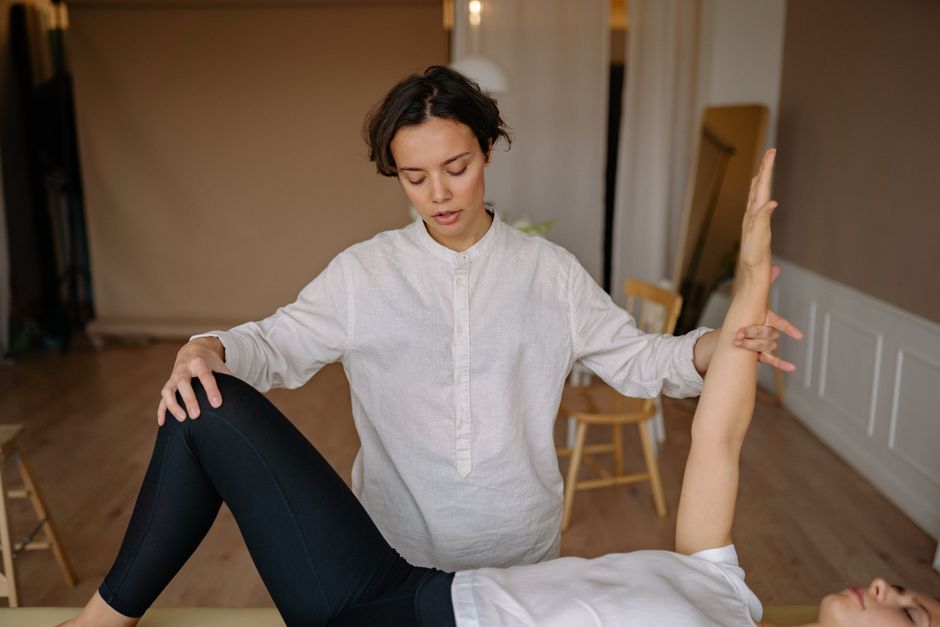
If you feel your muscle strength is low, visit a women’s health physiotherapist in Mangaluru. They can provide a personalized plan that goes far beyond basic Kegels.
Key Takeaways for Young Mothers
- It’s Not Your Fault: SUI is a physical result of muscle stretching, not a sign of aging or poor hygiene.
- Strength is Key: Perineal muscle strength is the most reliable predictor of whether you will experience leaks.
- Early Intervention: If you are a young parous woman, don’t wait for symptoms to get worse. Start pelvic floor exercises today.
- Talk About It: Breaking the stigma in Mangaluru starts with one conversation. Tell your sister, your mother, or your doctor.
Conclusion
Living in a city as vibrant as Mangaluru means you should be able to enjoy every bit of it—from the beach sunsets at Panambur to the spicy treats at a local gadi. You shouldn’t have to worry about “accidents” every time you laugh or sneeze.
Understanding perineal muscle strength as a predictor of stress urinary incontinence among young parous women in Mangaluru India is the first step toward reclaiming your body. Your pelvic floor worked hard to bring life into this world; now it’s time to give it a little love and strength in return. You’ve got this!
Frequently Asked Questions (FAQ)
1. Is SUI only a problem for older women?
No! While it’s common in older age, many young women in their 20s and 30s experience SUI, especially after childbirth. That’s why studying young parous women is so important.
2. Can I fix SUI without surgery?
In many cases, yes. Strengthening the perineal muscles through physical therapy and lifestyle changes is often the first and most successful line of treatment for mild to moderate SUI.
3. How long does it take to see results from pelvic exercises?
Like going to the gym, you won’t see results overnight. However, with consistent daily practice, most women notice a significant improvement within 6 to 12 weeks.
4. Does a C-section prevent SUI?
Not necessarily. While vaginal delivery is a major factor, the pressure of pregnancy itself on the pelvic floor can still lead to muscle weakness and SUI, regardless of how you delivered.
5. Where can I find help in Mangaluru?
Mangaluru is home to several world-class hospitals and specialized physiotherapy clinics. Look for “Women’s Health Physiotherapy” or “Urogynecology” departments in major medical centers across the city.
Written with love and assistance and refined for quality.
🔗 Related: Creatine for Women: Benefits Beyond Exercise…