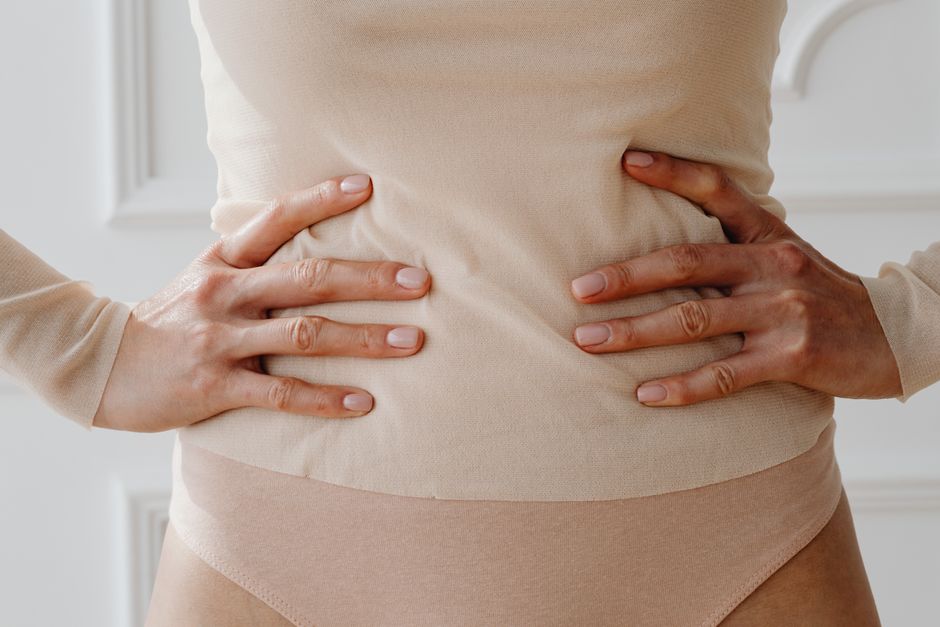
In this article, we’ll explore: Hormonal mechanisms of womens risk in the face of traumatic stress and why it matters today.
Related:
👉 Why Are Our Girls Struggling? Making Sense of the Widening Gender Mental Health Gap
👉 Why Trauma Hits Differently: Understanding the Hormonal Mechanisms of Women’s Risk in the Face of Traumatic Stress
👉 The One Supplement Science Says Can Build Lean Muscle and Sharpen Your Brain
Learn more: Hormonal mechanisms of womens risk in the face of traumatic stress on Investopedia
Have you ever wondered why two people can go through the exact same scary event, yet walk away with completely different psychological scars? For decades, scientists and psychologists have noted a puzzling trend: women are roughly twice as likely as men to develop Post-Traumatic Stress Disorder (PTSD) following a traumatic event.
For a long time, society chalked this up to “emotional differences” or the types of trauma women are more likely to face. But as we dive deeper into the world of neuroscience and endocrinology, a much more complex story emerges. It’s not just about what happens to us; it’s about the biological “cocktail” inside us at the moment it happens.
Today, we’re going to peel back the layers on the hormonal mechanisms of womens risk in the face of traumatic stress. We’ll explore how estrogen, progesterone, and the body’s stress-response system work together—or sometimes against each other—to shape how a woman’s brain processes fear and recovery.
The Stress Command Center: The HPA Axis
Before we talk about female-specific hormones, we have to talk about the “master switch” for stress: the Hypothalamic-Pituitary-Adrenal (HPA) axis. Think of this as your body’s internal alarm system. When you see a car swerving into your lane, the HPA axis kicks in, releasing cortisol and adrenaline to help you react.
In a healthy scenario, once the danger passes, the system resets. However, in the face of traumatic stress, this system can get “stuck.” For women, the way this system interacts with sex hormones is a major factor in how trauma is processed. Research suggests that fluctuations in estrogen can actually change how sensitive the HPA axis is, making the “alarm” louder or harder to turn off.
Estrogen: The Double-Edged Sword
Estrogen is often thought of as the “beauty” hormone, but in the brain, it’s a powerful neuroprotector. It influences the amygdala (the fear center) and the hippocampus (the memory center). However, when it comes to trauma, estrogen acts like a double-edged sword.
The Protective Power of High Estrogen
Studies have shown that when estrogen levels are high—such as right before ovulation—women might actually be better at “fear extinction.” This is the brain’s ability to learn that a previously scary stimulus is no longer dangerous. If a woman experiences a trauma when her estrogen is peaking, her brain might have a better biological toolkit to process the memory and move on.
The Vulnerability of the Low-Estrogen Phase
On the flip side, when estrogen levels drop (like during the days leading up to a period), the brain’s ability to inhibit fear responses weakens. This is where the hormonal mechanisms of womens risk in the face of traumatic stress become most apparent. If a traumatic event occurs during a low-estrogen phase, the “fear memory” may be encoded more deeply, making the woman more susceptible to intrusive thoughts and flashbacks later on.
The Story of Sarah: A Real-World Example
To make this clear, let’s look at a hypothetical example. Imagine two friends, Sarah and Elena, are involved in a terrifying bank robbery. Both are physically unharmed, but the psychological impact is immense.
Sarah happens to be in the “luteal phase” of her cycle—the time just before her period when estrogen and progesterone are crashing. Her brain is biologically more reactive to threats, and her “brakes” for fear are naturally lower. In the weeks following the robbery, Sarah finds herself unable to sleep, jumpy at loud noises, and constantly reliving the event.
Elena, by contrast, was in her “follicular phase” with rising estrogen levels. While she is certainly shaken and upset, her brain is better equipped to “file away” the memory as a past event rather than a present threat. Elena recovers more quickly, while Sarah struggles with what eventually becomes PTSD.
It wasn’t that Sarah was “weaker” than Elena. It was that the hormonal landscape of her brain at the moment of the trauma changed the way her memory was stored.
Progesterone and the “Calming” Effect
We can’t talk about estrogen without mentioning its partner, progesterone. Progesterone breaks down into a neurosteroid called allopregnanolone (often called “Allo”). Allo is like nature’s Xanax; it binds to GABA receptors in the brain to create a calming effect.
In women who are prone to PTSD or who have experienced chronic traumatic stress, this “Allo” system often malfunctions. Instead of calming the brain down after a scare, the body fails to produce enough of this natural sedative. This leaves the nervous system in a state of “high alert” long after the danger has passed.
Why Timing Matters: The Menstrual Cycle and Trauma
One of the most groundbreaking areas of research is how the timing of a trauma relative to the menstrual cycle predicts future risk. This is a key part of the hormonal mechanisms of womens risk in the face of traumatic stress.
- Early Follicular Phase: Low estrogen and low progesterone. Risk for poor fear extinction is higher.
- Mid-Cycle: High estrogen. Potential for better “processing” of the event.
- Late Luteal Phase: Dropping hormones. High risk for “flashback” style memories and increased anxiety.
This doesn’t mean that every woman who experiences trauma during her period will get PTSD, but it does mean she might need more immediate, targeted support to help her brain process what happened.
The Role of Oral Contraceptives
Because many women use hormonal birth control, scientists are now asking: does the pill change how we respond to trauma? Since oral contraceptives flatten the natural hormonal peaks and valleys, they may actually change how the brain encodes fear. While the research is still evolving, some studies suggest that women on certain types of birth control may respond to stress differently than those with a natural cycle, potentially altering their long-term risk profile.
Key Takeaways
- Biology, Not Just Psychology: The higher rate of PTSD in women isn’t just about temperament; it’s deeply rooted in hormonal fluctuations.
- The Estrogen Window: High estrogen levels can help the brain “unlearn” fear, while low levels may make it harder to move past a traumatic event.
- The GABA Connection: Progesterone’s breakdown products act as natural calmers. When this system fails, anxiety and trauma symptoms can skyrocket.
- Personalized Care: Understanding these mechanisms allows for better, more personalized mental health treatment for women.
Moving Toward Better Treatment
Understanding the hormonal mechanisms of womens risk in the face of traumatic stress isn’t just an academic exercise. It has real-world implications for how we treat survivors.
For example, if a woman enters an ER after an assault, knowing where she is in her cycle could eventually help doctors decide which interventions might be most effective. In the future, we might see “hormone-augmented” therapy, where clinicians use the natural cycle—or even low-dose hormonal supplements—to make traditional therapies like Cognitive Behavioral Therapy (CBT) more effective.
By moving away from a “one-size-fits-all” approach to trauma, we can offer women better paths to healing that respect the unique rhythm of their bodies.
FAQ: Common Questions About Hormones and Trauma
1. Does this mean women are “weaker” when it comes to stress?
Absolutely not. It means women’s bodies have a more complex regulatory system. In many cases, these hormonal mechanisms are designed to make women more “attuned” to their environment, which was an evolutionary advantage. It simply means the biological path to recovery after an extreme event looks different for women than it does for men.
2. Can I check my hormone levels to see if I’m at risk for PTSD?
While you can test your hormone levels, there isn’t a specific “number” that predicts PTSD. The risk comes from how these hormones fluctuate and interact with your brain’s neurotransmitters during and after a traumatic event.
3. Does menopause change how a woman reacts to trauma?
Yes. Menopause involves a significant and permanent drop in estrogen and progesterone. This change can affect the HPA axis and the brain’s “fear centers,” sometimes making older women more vulnerable to anxiety or making it harder to process past traumas that were previously managed well.
4. Can therapy help even if my hormones are “off”?
Yes! Therapy like EMDR (Eye Movement Desensitization and Reprocessing) or CBT is highly effective. Understanding the hormonal component simply adds another tool to the shed—it doesn’t mean therapy won’t work. It just explains why some days might feel harder than others.
5. Is there a “best” time in the cycle to start trauma therapy?
Some emerging research suggests that starting intensive “fear extinction” work during the high-estrogen phase (right before ovulation) might yield faster results, but the most important thing is to seek help whenever you are ready.
Final Thoughts
The human body is an incredible, interconnected machine. When we talk about trauma, we have to stop separating the “mind” from the “body.” The hormonal mechanisms of womens risk in the face of traumatic stress show us that our cycles, our chemistry, and our memories are all part of the same story. By understanding these links, we can stop blaming ourselves for “not being over it” and start working with our biology to find true, lasting healing.
Written with love and assistance and refined for quality.