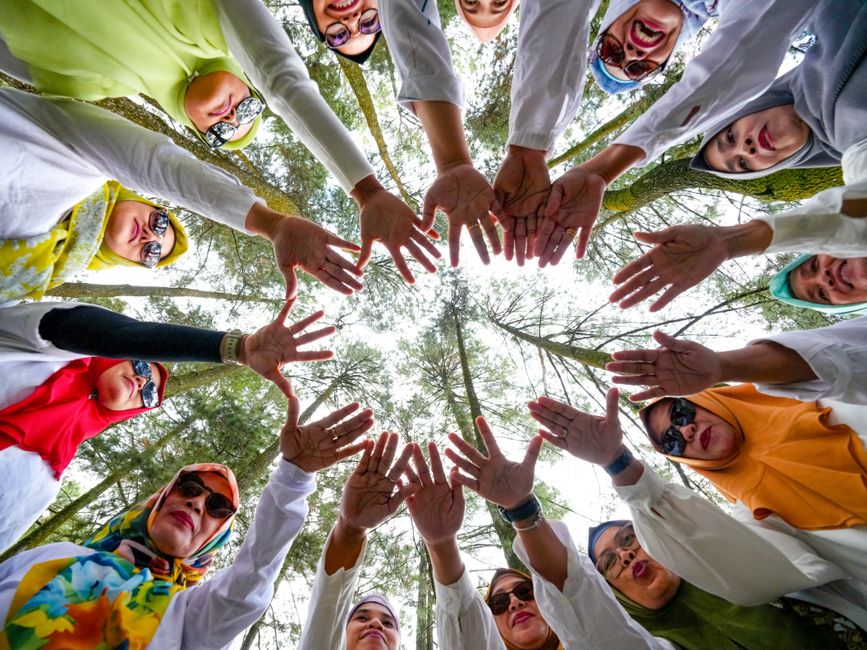
In this article, we’ll explore: Sirona Foundation Promotes Menstrual Hygiene and Sustainable Period Care in India and why it matters today.
Related:
👉 Why Am I Losing Inches But Not Weight? Here Are 4 Possible Reasons The Scale Isn't Changing
👉 Joint Relief or Brain Risk? Understanding the Link Between Glucosamine and Dementia Progression
👉 Why Her Health Changes Everything: A Deep Dive into the BcozSheMatters Campaign
Learn more: Sirona Foundation Promotes Menstrual Hygiene and Sustainable Period Care in India on Investopedia
Imagine being a thirteen-year-old girl named Sunita, living in a small village in Rajasthan. Every month, for five days, Sunita stops going to school. It isn’t because she’s sick or because she doesn’t want to learn. It’s because she has her period, and in her world, that means using old, unhygienic rags that leak and cause painful infections. For Sunita, and millions of others like her, a natural biological process is a source of shame and a barrier to education.
This is the harsh reality of period poverty in India. But there is a wave of change coming, and at the forefront of this movement is an organization dedicated to dignity and health. The Sirona Foundation Promotes Menstrual Hygiene and Sustainable Period Care in India by not just providing products, but by sparking a revolution in how women think about their bodies.
In this post, we’ll dive deep into the incredible work being done to break taboos, the shift toward sustainable solutions, and how a simple silicone cup is changing the landscape of women’s health across the country.
The Hidden Crisis: Why Period Poverty Matters
Before we look at the solutions, we have to understand the scale of the problem. In India, menstruation is often shrouded in silence. Many girls are told they cannot enter the kitchen, touch pickles, or visit temples during their periods. But the physical challenges are even more daunting than the social ones.
Studies show that a staggering percentage of girls in rural India drop out of school once they hit puberty. Why? Because they lack access to clean toilets and affordable sanitary products. When the choice is between buying food for the family or buying a pack of disposable pads, food always wins. This leads to the use of ash, husk, or dirty cloths—methods that lead to severe reproductive tract infections.
This is where the Sirona Foundation steps in. They realized early on that giving away a pack of pads is a temporary fix. To create lasting change, you need a solution that is affordable, long-lasting, and environmentally friendly.
How Sirona Foundation Promotes Menstrual Hygiene and Sustainable Period Care in India
The Sirona Foundation doesn’t believe in “band-aid” solutions. Their approach is holistic, focusing on three main pillars: Awareness, Access, and Sustainability.
1. Breaking the Silence Through Education
You can’t solve a problem if people are too afraid to talk about it. The foundation conducts extensive workshops in schools, community centers, and urban slums. These aren’t just dry medical lectures. They are safe spaces where women and girls can ask questions they’ve been holding in for years.
They use storytelling and simple visual aids to explain the biology of menstruation. By normalizing the conversation, they strip away the “shame” factor. When a young girl understands that her period is a sign of health, not a “curse,” her entire world view shifts.
2. The Menstrual Cup Revolution
This is perhaps the most impactful part of their work. While disposable pads are the norm in cities, they are a logistical and financial nightmare in rural areas. A single menstrual cup can last up to 10 years. Think about that for a second—ten years of period protection for the cost of a few packs of pads.
The Sirona Foundation has been a pioneer in introducing menstrual cups to underprivileged communities. By donating cups and, more importantly, providing the training on how to use them, they are giving women a lifetime of freedom from period poverty.
3. Focused Outreach in Rural and Tribal Belts
The foundation goes where others don’t. From the remote villages of Jharkhand to the tea gardens of Assam, they reach out to the most marginalized sections of society. They partner with local NGOs and “Pad-women” who act as community leaders, ensuring that the message of hygiene reaches every doorstep.
The Power of Sustainability: Why “Green” Periods are the Future
When we talk about menstrual hygiene, we often forget about the environment. A single woman uses roughly 11,000 disposable pads in her lifetime. In India, most of these end up in landfills or, worse, blocked in sewage systems and water bodies. These pads contain plastic that takes 500 to 800 years to decompose.
The Sirona Foundation Promotes Menstrual Hygiene and Sustainable Period Care in India by advocating for products that don’t harm the earth. By switching to menstrual cups, thousands of women are preventing tons of plastic waste from entering the ecosystem.
- Zero Waste: No more blood-soaked pads sitting in trash cans for weeks.
- Water Conservation: While cups need to be washed, the overall water footprint is lower than the manufacturing and disposal process of thousands of pads.
- Economic Freedom: For a woman living on a daily wage, saving the money she would have spent on pads every month is a huge relief. That money can go toward books for her children or better nutrition.
Real-World Example: The Story of Meera
Meera is a waste picker in an urban slum in Delhi. Her job involves sorting through mountains of trash, often with her bare hands. For years, her periods were a nightmare. She couldn’t afford pads, so she used old rags that she would wash and hide in dark corners to dry (because of the stigma), which meant they never dried properly and stayed damp and bacteria-ridden.
Through a Sirona Foundation workshop, Meera was introduced to the menstrual cup. Initially, she was hesitant. “How can I put this inside me?” she asked. But with the patient guidance of the foundation’s volunteers, she tried it.
A year later, Meera is an advocate for the cup. She no longer has to worry about leaks while she works. She no longer suffers from the painful rashes caused by damp cloth. Most importantly, she feels a sense of dignity she never had before. Meera’s story is just one of thousands that highlight how sustainable care is a tool for empowerment.
The Challenges They Face (And How They Overcome Them)
It’s not all smooth sailing. Promoting menstrual cups in India comes with its own set of unique challenges:
The Virginity Myth
In many parts of India, there is a deep-seated fear that using an internal device like a menstrual cup will “break” the hymen and therefore “ruin” a girl’s virginity. The foundation addresses this head-on with medical facts, explaining that the hymen is a flexible tissue and that virginity is a social construct, not a physical one determined by a cup.
Lack of Clean Water
To use a cup safely, you need clean water to wash it. In areas with water scarcity, the foundation teaches women how to sanitize their cups with minimal water, using boiling techniques that ensure safety without wasting resources.
Resistance to Change
Behavioral change is the hardest part of any social mission. People are used to what they know. The Sirona Foundation overcomes this by staying in the community for the long haul. They don’t just visit once; they follow up, create support groups, and ensure that every woman feels comfortable with her choice.
Key Takeaways from the Sirona Foundation’s Mission
- Education is the Foundation: Without removing the stigma, products alone cannot solve the problem.
- Sustainability is Key: Menstrual cups are the most viable long-term solution for both the pocket and the planet.
- Empowerment through Choice: Giving women the tools to manage their periods allows them to stay in school and participate in the workforce.
- Community Involvement: Real change happens when local women are trained to lead the movement themselves.
How You Can Be Part of the Change
You don’t have to be on the ground in a rural village to help. Awareness is the first step. By talking about menstrual hygiene and supporting organizations like the Sirona Foundation, you are helping to normalize a conversation that has been silenced for too long.
Whether it’s donating to their “Lakhshya” program or simply switching to sustainable period products yourself, every small action contributes to a larger shift. The goal is a world where no girl has to miss school because of her period, and no woman has to compromise her health for her dignity.
Frequently Asked Questions (FAQ)
What exactly does the Sirona Foundation do?
The Sirona Foundation is the social wing of Sirona Hygiene. They work to eliminate period poverty by providing menstrual health education and distributing sustainable period products like menstrual cups to underprivileged women and girls across India.
Why does the foundation focus on menstrual cups instead of pads?
While pads are helpful, they are expensive in the long run and create massive amounts of plastic waste. A menstrual cup is a one-time investment (or donation) that lasts for up to 10 years, making it the most sustainable and cost-effective solution for women in low-income communities.
Is it safe for young girls to use menstrual cups?
Yes, absolutely. Menstrual cups are made of medical-grade silicone and are safe for females of all ages once they start their periods. The foundation provides detailed training to ensure girls know how to use them correctly and hygienically.
How does the Sirona Foundation reach rural areas?
They collaborate with local NGOs, government bodies, and community leaders. They also train “Asha” workers and local women to become educators, ensuring that the knowledge stays within the community even after the foundation’s team leaves.
How can I support their cause?
You can support them by donating through their official website, participating in their “Buy One, Give One” initiatives, or simply by spreading awareness about menstrual hygiene and the benefits of sustainable period care.
The journey toward a period-positive India is long, but with the dedicated efforts of the Sirona Foundation, the path is becoming clearer every day. By focusing on sustainability and education, they aren’t just giving out products—they are giving back lives, one cycle at a time.
Written with love and assistance and refined for quality.
🔗 Related: Health Rounds: Glucosamine used for joint…
🔗 Related: Why womens health needs a system…