In this article, we’ll explore: 8 Foods To Avoid With an Upset Stomachand What To Eat Instead and why it matters today.
Related:
👉 Unpacking the Gender Divide: How Hormones Shape Women's Vulnerability to Traumatic Stress
👉 Beyond the Brain: Unpacking the Hormonal Mechanisms of Women's Risk in the Face of Traumatic Stress
👉 Beyond the Surface: Unpacking the Hormonal Mechanisms of Women's Risk in the Face of Traumatic Stress
Recommended product: 8 Foods To Avoid With an Upset Stomachand What To Eat Instead on Clickbank
Learn more: 8 Foods To Avoid With an Upset Stomachand What To Eat Instead on Investopedia
We’ve all been there. That familiar rumble, the churning discomfort, the sudden wave of nausea that signals an upset stomach has arrived, uninvited. It throws a wrench in your day, makes simple tasks feel monumental, and often leaves you wondering, “What did I even eat?” More importantly, when your stomach is staging a protest, the last thing you want to do is make it worse.
It’s a common misconception that when your tummy feels off, you should just “power through” or eat whatever sounds appealing in the moment. But the truth is, what you choose to eat (or not eat) during these sensitive times can significantly impact how quickly you recover and how much discomfort you experience. Just like you wouldn’t pour gasoline on a small fire, you shouldn’t introduce foods that are known irritants to an already sensitive digestive system.
This isn’t about deprivation; it’s about smart, compassionate eating. It’s about giving your digestive system a much-needed break and helping it heal. So, if you’re currently nursing a grumpy gut, or just want to be prepared for the next time it strikes, you’re in the right place. We’re going to dive deep into **8 foods to avoid with an upset stomach and what to eat instead**, offering simple, human-friendly advice that will help you feel better, faster.
Let’s get your gut back on track!
The Culprits: 8 Foods to Steer Clear Of
When your stomach is upset, it’s essentially telling you it’s overworked or irritated. Introducing foods that are difficult to digest, highly acidic, or inflammatory can exacerbate the problem, leading to more pain, gas, bloating, and nausea. Here are the top offenders:
1. Spicy Foods
Oh, the allure of a fiery curry or a zesty salsa! While delicious on a normal day, spicy foods are like pouring hot sauce directly onto an already tender wound when your stomach is upset. Capsaicin, the compound responsible for the heat in chili peppers, can irritate the lining of your esophagus and stomach, potentially worsening heartburn, acid reflux, and general stomach pain. It can also stimulate bowel movements, which is the last thing you need if you’re already dealing with diarrhea.
**What to Eat Instead:** Think bland and soothing. Plain steamed rice, boiled potatoes, or a simple piece of toast are far gentler options. These foods are easy to digest and won’t ignite any further irritation.
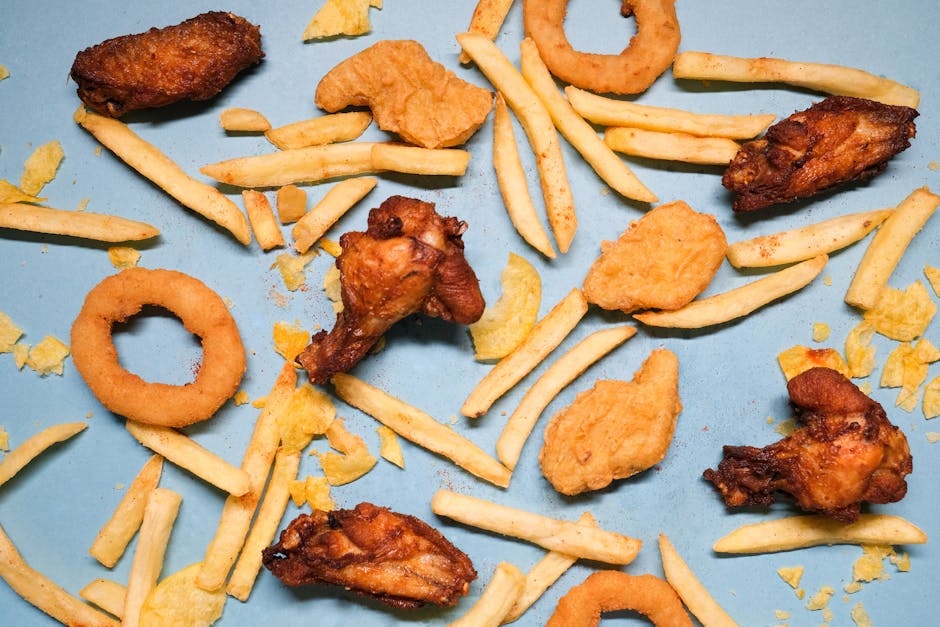
2. Fried and Greasy Foods
Who doesn’t love a crispy batch of French fries or a juicy burger? Unfortunately, these gastronomic delights are a no-go when your stomach is in distress. Foods high in fat take a long time to digest and can sit in your stomach like a heavy brick, delaying gastric emptying. This can lead to feelings of fullness, nausea, and even heartburn. The fat can also trigger the release of hormones that may cause stomach cramps and diarrhea.
**What to Eat Instead:** Opt for lean protein sources that are baked, grilled, or boiled. Think plain chicken breast, fish, or even a simple egg. These provide essential nutrients without the heavy digestive load.
3. High-Fiber Foods (Temporarily)
Wait, isn’t fiber good for you? Yes, absolutely! Fiber is fantastic for long-term digestive health. However, when your stomach is acutely upset (especially with gas, bloating, or diarrhea), a sudden influx of high-fiber foods like raw vegetables, whole grains, and legumes can actually make things worse. They can be difficult to break down, leading to increased gas production and further irritation of an already sensitive bowel. This is a temporary avoidance, not a permanent one.
**What to Eat Instead:** Stick to low-fiber, easily digestible carbohydrates. White rice, white toast, ripe bananas, and applesauce are excellent choices. As your stomach settles, you can slowly reintroduce cooked, softer vegetables and then gradually move back to whole grains.
4. Dairy Products (Especially for the Lactose Intolerant)
Milk, cheese, yogurt, ice cream – these can be comforting treats, but for many, dairy can be problematic when the stomach is upset. If you’re lactose intolerant, your body lacks the enzyme lactase needed to break down lactose, the sugar in dairy. This can lead to gas, bloating, cramps, and diarrhea even on a good day. When your gut is already sensitive, dairy can amplify these symptoms significantly. Even if you’re not fully lactose intolerant, dairy can be tough to digest for an inflamed stomach.
**What to Eat Instead:** If you suspect dairy is an issue, switch to lactose-free alternatives like almond milk, oat milk, or soy milk. Plain, unsweetened applesauce or a simple vegetable broth can also provide comfort without the dairy dilemma.
5. Acidic Foods (Citrus, Tomatoes, etc.)
Oranges, grapefruits, lemons, tomatoes, and tomato-based sauces are packed with vitamins and antioxidants, but their high acidity can be a real problem for an upset stomach, especially if you’re experiencing heartburn or acid reflux. The acid can further irritate the esophageal lining and stomach, leading to increased discomfort and a burning sensation.
**What to Eat Instead:** Choose low-acid fruits and vegetables. Bananas are a classic for a reason – they’re low in acid and easy to digest. Melon (cantaloupe, honeydew) and cooked carrots are also good, gentle choices.
6. Caffeinated Beverages
That morning coffee might be your lifeline, but when your stomach is acting up, it can be more of a foe than a friend. Caffeine is a stimulant that can increase stomach acid production and act as a laxative, both of which can worsen an upset stomach, particularly if you’re dealing with heartburn, gastritis, or diarrhea. The jitters caffeine can induce also won’t help you feel calmer.
**What to Eat Instead:** Stick to water, plain herbal teas (like ginger or peppermint, which we’ll discuss later), or diluted clear broths. Hydration is key, but choose non-irritating fluids.
7. Alcohol
This one might seem obvious, but it’s worth reiterating. Alcohol is a known irritant to the stomach lining. It can increase stomach acid, cause inflammation, and disrupt the digestive process. Even a small amount can exacerbate nausea, heartburn, and diarrhea. Think of it as throwing fuel on an already burning fire.
**What to Eat Instead:** Absolutely nothing alcoholic. Focus on hydrating with water, electrolyte solutions, or clear broths to help your body recover.
8. Processed and Sugary Foods
Candy, pastries, sodas, and highly processed snacks might offer a momentary comfort, but they are notorious for causing digestive distress. The high sugar content can feed “bad” gut bacteria, leading to gas and bloating. Artificial sweeteners and additives found in many processed foods can also be difficult to digest and irritate the stomach lining. These foods offer little to no nutritional value and can hinder your recovery.
**What to Eat Instead:** When your stomach is upset, focus on whole, unprocessed foods that are easy to digest. A ripe banana, plain rice cakes, or a small portion of simple, unseasoned chicken can be much more beneficial.
What To Eat Instead: Soothing Your Sensitive Stomach
Now that we’ve covered what to avoid, let’s talk about the good stuff – the foods that can actually help calm your angry gut and promote healing. The general rule of thumb is “bland is best.”
* **The BRAT Diet (and beyond):** The classic BRAT diet stands for Bananas, Rice, Applesauce, and Toast. These are low in fiber, easy to digest, and provide some carbohydrates for energy without irritating your stomach.
* **Bananas:** Easy to digest, provide potassium (often lost during vomiting/diarrhea), and can help firm up stools.
* **White Rice:** Bland, low-fiber, and a good source of energy.
* **Applesauce:** Easy to digest, provides some nutrients, and the pectin can be soothing.
* **Plain White Toast:** Simple carbohydrate, easy on the stomach.
* **Ginger:** Known for its anti-nausea properties. Sip on ginger tea (fresh ginger steeped in hot water) or try small amounts of ginger ale (flat, not fizzy, and ideally made with real ginger).
* **Peppermint:** Another herbal hero for upset stomachs. Peppermint tea can help relax stomach muscles and ease cramping.
* **Clear Broths:** Chicken or vegetable broth can provide essential electrolytes and hydration without being heavy. Avoid creamy or fatty broths.
* **Lean Protein:** Once you feel a little better, plain baked or boiled chicken breast or fish can be introduced to provide necessary protein for recovery.
* **Boiled or Steamed Potatoes:** Simple, bland, and a good source of carbohydrates.
* **Crackers:** Plain, unsalted crackers like saltines can help absorb excess stomach acid and settle nausea.
Remember to introduce new foods slowly and in small portions. Listen to your body – it will tell you what works and what doesn’t.
Key Takeaways for a Happy Tummy
Dealing with an upset stomach is never fun, but making smart food choices can significantly speed up your recovery. Here’s a quick recap of the essentials:
* **Avoid Irritants:** Steer clear of spicy, fatty, acidic, and highly processed foods.
* **Go Bland:** Embrace the BRAT diet and other easily digestible options like clear broths, ginger, and peppermint.
* **Hydrate Smartly:** Drink plenty of water and electrolyte-rich fluids, but avoid caffeine and alcohol.
* **Listen to Your Body:** Everyone is different. Pay attention to how certain foods make you feel and adjust your diet accordingly.
* **Small Portions:** Don’t overload your digestive system. Eat small, frequent meals rather than large ones.
By being mindful of what you put into your body, you give your digestive system the best chance to recover and get you back to feeling like yourself again.
FAQ: Your Upset Stomach Questions Answered
Q1: Is it okay to fast when my stomach hurts?
A: For very short periods (a few hours), especially if you’re vomiting, giving your stomach a complete rest can be helpful. However, prolonged fasting isn’t usually recommended as it can deplete your energy and delay recovery. Once you can tolerate fluids, try to introduce bland, easily digestible foods in small amounts.
Q2: How long should I avoid these foods?
A: It depends on the severity and cause of your upset stomach. Generally, you should stick to bland foods until your symptoms have completely subsided for at least 24-48 hours. Then, gradually reintroduce other foods, one at a time, to see how you tolerate them.
Q3: What if I’m not sure what’s causing my upset stomach?
A: If your upset stomach is recurrent, severe, or accompanied by other worrying symptoms (like high fever, severe pain, blood in stool, or persistent vomiting), it’s crucial to consult a doctor. They can help diagnose the underlying cause and recommend appropriate treatment.
Q4: When should I see a doctor for an upset stomach?
A: Seek medical attention if you experience:
* Severe abdominal pain
* High fever (over 102°F or 39°C)
* Bloody or black stools
* Persistent vomiting or diarrhea (more than 24-48 hours)
* Signs of dehydration (decreased urination, extreme thirst, dizziness)
* Yellowing of the skin or eyes (jaundice)
* Symptoms that don’t improve after a few days of self-care.
Caring for an upset stomach is all about giving your body the gentle support it needs to heal. By making informed food choices, you’re not just avoiding discomfort, you’re actively participating in your own recovery. Here’s to feeling better soon!
Written with love and assistance and refined for quality.
{“@context”:”https://schema.org”,”@type”:”Article”,”headline”:”Feeling Queasy? Here Are 8 Foods To Avoid With an Upset Stomach (And What To Eat Instead)”,”description”:”In this article, weu2019ll explore: 8 Foods To Avoid With an Upset Stomachand What To Eat Instead and why it…”,”author”:{“@type”:”Person”,”name”:”Dr. Cuterus”},”datePublished”:”2026-05-16T06:50:27+00:00″,”dateModified”:”2026-05-16T06:50:27+00:00″,”mainEntityOfPage”:”https://healthyworldz.com/feeling-queasy-here-are-8-foods-to-avoid-with-an-upset-stomach-and-what-to-eat-instead/”,”image”:[“https://healthyworldz.com/wp-content/uploads/2026/05/8-foods-to-avoid-with-an-upset-stomachand-what-to-eat-instead-57.jpg”]}
🔗 Related: Women with polycystic ovary syndrome exhibit…
🔗 Related: Hormonal mechanisms of womens risk in…
🔗 Related: 8 Foods To Avoid With an…