In this article, we’ll explore: 8 Foods To Avoid With an Upset Stomachand What To Eat Instead and why it matters today.
Related:
👉 Unpacking the Gender Divide: How Hormonal Mechanisms Shape Women's Risk in the Face of Traumatic Stress
👉 Unlocking the Uterus: Understanding How Women with Polycystic Ovary Syndrome Exhibit Impaired Endometrial Receptivity, Excessive ER, and Histone Lactylation
👉 Feeling Queasy? Here Are 8 Foods To Avoid With an Upset Stomach (And What To Eat Instead)
Recommended product: 8 Foods To Avoid With an Upset Stomachand What To Eat Instead on Clickbank
Learn more: 8 Foods To Avoid With an Upset Stomachand What To Eat Instead on Wikipedia
Ah, the dreaded upset stomach. We’ve all been there, haven’t we? That familiar gurgle, the uncomfortable churn, the sudden urge to curl up in a ball and wish the world away. Whether it’s a mild tummy ache, a bout of nausea, or something more… urgent, an upset stomach can throw a wrench in your entire day. It’s a universal experience, and often, our first instinct is to reach for something to eat, hoping it’ll settle things down. But here’s the tricky part: what you choose to put into your body when your digestive system is already in distress can either be your best friend or your worst enemy.
Think of your stomach when it’s upset as a delicate, grumpy old man. You wouldn’t hand him a heavy, spicy meal and expect a smile, would you? No, you’d offer him something gentle, something soothing, something that won’t make him grumble even more. That’s exactly the approach we need to take with our tummies. The wrong food can exacerbate symptoms, prolong discomfort, and make you regret every bite. The right food, however, can be a gentle balm, helping your digestive system recover and bringing you back to feeling like yourself again.
In this comprehensive guide, we’re going to dive deep into the world of tummy troubles and food choices. We’ll explore the 8 foods to avoid with an upset stomach and what to eat instead, giving you the knowledge to navigate those uncomfortable moments with confidence. We’ll talk about why certain foods are problematic, share real-world examples you can relate to, and most importantly, equip you with delicious, gentle alternatives that will help soothe your belly back to health. So, let’s get started and give your grumpy stomach the tender loving care it deserves!
The Culprits: 8 Foods to Steer Clear Of When Your Tummy’s Tumbling
When your stomach is protesting, it’s generally best to avoid anything that requires a lot of effort to digest, irritates the gut lining, or can trigger further discomfort. Here are the top offenders:
1. Spicy Foods
Oh, the allure of a fiery curry or a chili-laden taco! Normally, these can be a delicious adventure for your taste buds. But when your stomach is already feeling fragile, introducing capsaicin (the compound that gives chili peppers their heat) is like pouring gasoline on a fire. Spicy foods can irritate the stomach lining, increase stomach acid production, and often lead to heartburn, indigestion, and even diarrhea. It’s a direct assault on an already sensitive system.
- Real-world example: Remember that time you bravely ordered the “extra hot” dish when you were already feeling a bit off? Your stomach probably reminded you of that decision with gusto later on.
- What to eat instead: Opt for bland, comforting foods. Think plain rice, boiled potatoes, or steamed chicken with minimal seasoning. Turmeric and ginger are spices that are actually known for their anti-inflammatory and digestive benefits, so a sprinkle of those might be okay for some, but always err on the side of caution.
2. Greasy and Fatty Foods
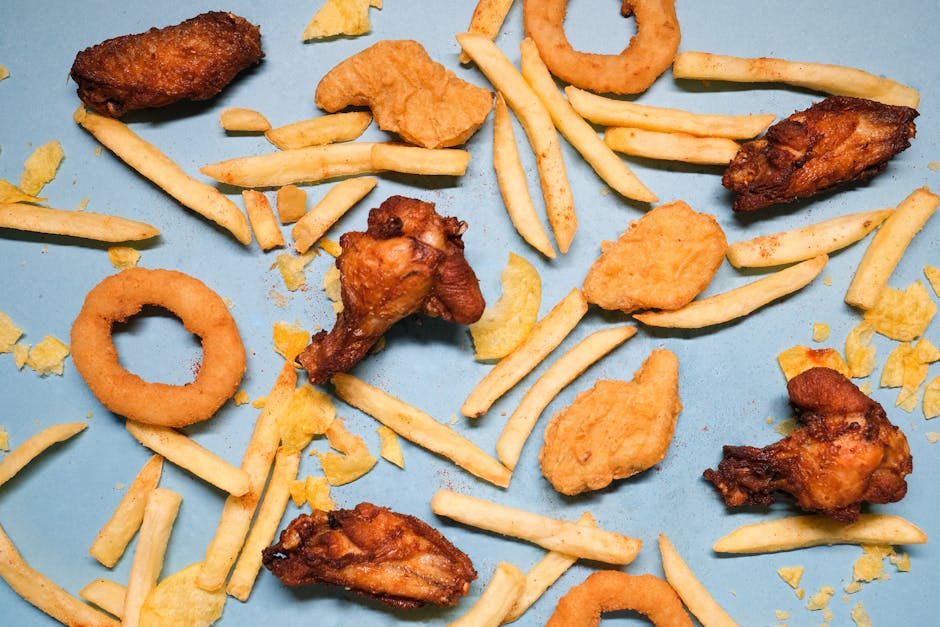
Fried chicken, greasy burgers, cheesy fries, rich sauces – these might be comfort foods on a normal day, but they are a nightmare for an upset stomach. High-fat foods are notoriously difficult and slow to digest. They sit in your stomach longer, prolonging the feeling of fullness, bloating, and nausea. They can also trigger acid reflux and indigestion, making you feel even worse.
- Real-world example: That late-night greasy pizza might hit the spot in the moment, but your stomach will likely be sending you angry messages of indigestion and nausea for hours afterward.
- What to eat instead: Choose lean proteins and healthy, easily digestible fats. Baked or grilled chicken breast, plain fish, toast with a thin layer of avocado, or a small amount of olive oil on steamed vegetables are much better choices.
3. Dairy Products (Especially Milk and Cheese)
While dairy can be a great source of calcium, it can be problematic for many people when their stomach is upset. Lactose, the sugar found in milk, requires a specific enzyme (lactase) to break it down. When your digestive system is compromised, lactase production might be reduced, leading to lactose intolerance symptoms like gas, bloating, cramps, and diarrhea. Even if you’re not typically lactose intolerant, dairy can still be hard to digest due to its fat content.
- Real-world example: Sipping on a big glass of milk might seem soothing, but if you’re already feeling queasy, it could just add to the churn and leave you feeling gassy and bloated.
- What to eat instead: Stick to lactose-free alternatives like almond milk, oat milk, or rice milk. Plain, unsweetened yogurt with live cultures might be tolerated by some, as the beneficial bacteria help break down lactose, but it’s best to introduce it cautiously and in small amounts.
4. Highly Acidic Foods and Drinks
Citrus fruits (oranges, lemons, grapefruit), tomatoes and tomato-based products (sauces, ketchup), and even some berries are highly acidic. While packed with vitamins, their acidity can irritate an already inflamed or sensitive stomach lining, worsening heartburn, acid reflux, and general discomfort.
- Real-world example: Squeezing lemon into your water or sipping on orange juice might seem refreshing, but for a sensitive stomach, it can feel like adding fuel to an existing fire.
- What to eat instead: Opt for less acidic fruits like bananas, melons (cantaloupe, honeydew), or applesauce. Water and herbal teas (like ginger or peppermint) are excellent, gentle choices for hydration.
5. Caffeinated Beverages
Your morning coffee might be a non-negotiable ritual, but when your stomach is doing flip-flops, it’s best to skip the jolt. Caffeine is a stimulant that can increase stomach acid production and speed up gut motility, potentially leading to increased nausea, stomach cramps, and diarrhea. It can also act as a diuretic, which might worsen dehydration if you’re already losing fluids.
- Real-world example: That sudden urgency after your morning coffee? When your stomach is upset, that effect can be amplified and become very uncomfortable.
- What to eat instead: Hydrate with plain water, decaffeinated herbal teas (ginger and peppermint are particularly good for upset stomachs), or clear broths.
6. Alcohol
This one might seem obvious, but it’s worth reiterating. Alcohol is a direct irritant to the stomach lining. It can increase stomach acid, cause inflammation, and disrupt the balance of healthy gut bacteria. Furthermore, alcohol is dehydrating and can exacerbate nausea, vomiting, and diarrhea, making a bad situation even worse.
- Real-world example: Trying to cure an upset stomach with a “hair of the dog” is a myth that will only prolong your misery. Alcohol is a definite no-go when your tummy is unhappy.
- What to eat instead: Water, electrolyte-rich drinks (like diluted sports drinks or oral rehydration solutions), and herbal teas are your best friends for rehydration and recovery.
7. Sugary Foods and Artificial Sweeteners
Candy, pastries, sugary sodas, and even some fruit juices are loaded with simple sugars. While they might offer a temporary burst of energy, too much sugar can draw water into the intestines, potentially leading to diarrhea and cramping. Artificial sweeteners (like sorbitol, xylitol, and mannitol) found in diet drinks and sugar-free products are even worse, as they are known to cause gas, bloating, and have a laxative effect.
- Real-world example: Those seemingly innocent cookies or that diet soda might offer a quick fix, but the subsequent gas, bloating, or increased urgency will make you regret them.
- What to eat instead: If you crave something sweet, opt for natural sugars in small amounts from fruits like bananas or applesauce. Otherwise, plain water or unsweetened herbal tea is best.
8. Raw Vegetables and High-Fiber Foods (in large amounts)
Normally, raw vegetables and high-fiber foods (like whole grains, beans, and lentils) are health heroes. They’re packed with vitamins, minerals, and fiber, which is essential for healthy digestion. However, when your stomach is already struggling, the high fiber content can be difficult to break down. This can lead to increased gas, bloating, and discomfort as your digestive system works overtime to process them.
- Real-world example: While a crisp salad might be your go-to for a healthy meal, when your tummy is protesting, it’s better to go gentle. Your gut needs a break from heavy lifting.
- What to eat instead: Stick to cooked, soft vegetables that are easier to digest (think well-cooked carrots, spinach, or zucchini). White rice, plain toast, and crackers are good low-fiber alternatives that provide some energy without stressing your system.
Key Takeaways for a Happy Tummy
Navigating an upset stomach can be tricky, but armed with the right knowledge, you can make choices that promote healing and comfort. Remember these key principles:
- Listen to Your Body: Everyone is different. What bothers one person might not bother another. Pay attention to how your body reacts to different foods.
- Go Bland and Gentle: When in doubt, choose bland, easily digestible foods. The BRAT diet (Bananas, Rice, Applesauce, Toast) is a classic for a reason.
- Hydrate, Hydrate, Hydrate: Water, clear broths, and electrolyte solutions are crucial, especially if you’ve been experiencing vomiting or diarrhea.
- Small, Frequent Meals: Instead of three large meals, try eating smaller portions more frequently throughout the day. This is less taxing on your digestive system.
- Patience is Key: Your stomach needs time to recover. Don’t rush back into your usual diet too quickly. Gradually reintroduce foods and see how you feel.
By understanding which 8 foods to avoid with an upset stomach and what to eat instead, you’re taking proactive steps to soothe your digestive system and get back to feeling your best. So next time your belly starts to grumble, you’ll know exactly how to treat it with kindness and care.
FAQ: Your Upset Stomach Questions Answered
Q1: How long should I avoid these foods after my stomach settles?
A: It’s best to reintroduce these foods gradually, starting with small amounts, once your symptoms have completely subsided and you’ve been feeling well for at least 24-48 hours. Pay close attention to how your body reacts. If symptoms return, you might need to wait a little longer or consider if that food category is a trigger for you even when healthy.
Q2: Are there any specific herbal remedies or teas that help an upset stomach?
A: Absolutely! Ginger tea is fantastic for nausea and indigestion due to its anti-inflammatory properties. Peppermint tea can help soothe stomach cramps and bloating. Chamomile tea is also known for its calming effects on both the mind and the digestive system. Just make sure they are decaffeinated and unsweetened.
Q3: What if I’m pregnant and have an upset stomach?
A: If you’re pregnant and experiencing an upset stomach, it’s crucial to consult your doctor or healthcare provider. While many of the bland food recommendations still apply, certain remedies or dietary changes might not be suitable during pregnancy. Staying hydrated is especially important. Your doctor can provide personalized advice and rule out any underlying issues.
Written with love and assistance and refined for quality.
{“@context”:”https://schema.org”,”@type”:”Article”,”headline”:”Soothing Your Belly: 8 Foods To Avoid With an Upset Stomach and What To Eat Instead”,”description”:”In this article, weu2019ll explore: 8 Foods To Avoid With an Upset Stomachand What To Eat Instead and why it…”,”author”:{“@type”:”Person”,”name”:”Dr. Cuterus”},”datePublished”:”2026-05-16T07:43:20+00:00″,”dateModified”:”2026-05-16T07:43:20+00:00″,”mainEntityOfPage”:”https://healthyworldz.com/soothing-your-belly-8-foods-to-avoid-with-an-upset-stomach-and-what-to-eat-instead/”,”image”:[“https://healthyworldz.com/wp-content/uploads/2026/05/8-foods-to-avoid-with-an-upset-stomachand-what-to-eat-instead-58.jpg”]}
🔗 Related: Women with polycystic ovary syndrome exhibit…
🔗 Related: Hormonal mechanisms of womens risk in…
🔗 Related: 8 Foods To Avoid With an…