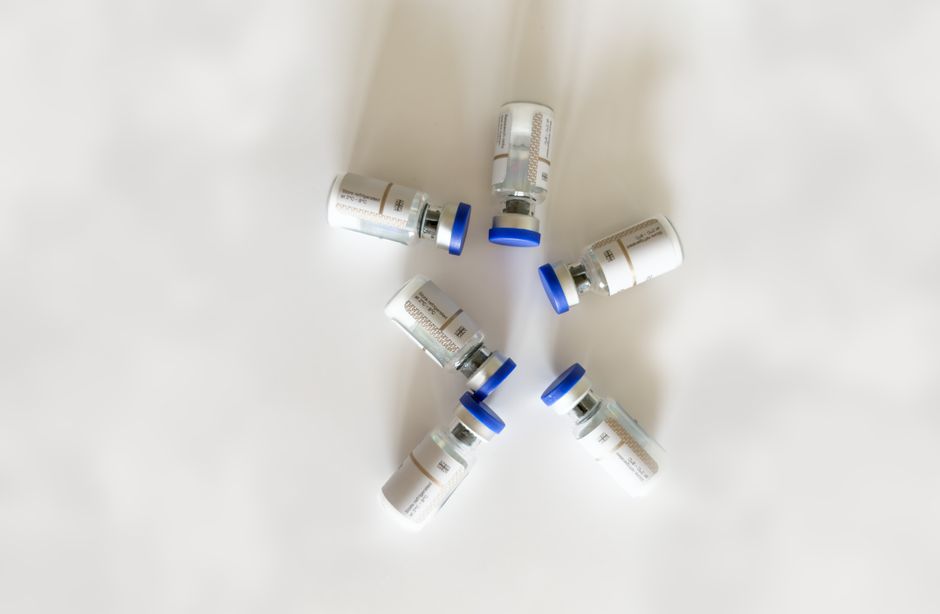
In this article, we’ll explore: Retatrutide the newest weight-loss drug helped people lose 30 of body weight on par with weight-loss surgery and why it matters today.
For decades, the “gold standard” for massive weight loss was always the same: surgery. If you had a significant amount of weight to lose, you were told that diet and exercise could only take you so far. Eventually, many people felt they had to go under the knife—undergoing gastric bypass or sleeve gastrectomy—to see real, life-changing results.
But the world of medicine moves fast. Just as we were getting used to the names Ozempic and Mounjaro, a new player entered the arena. And this one isn’t just a small step forward; it’s a giant leap. We’re talking about Retatrutide.
The buzz in the medical community is deafening, and for good reason. Recent clinical trials have shown that Retatrutide the newest weight-loss drug helped people lose 30 of body weight on par with weight-loss surgery. That is a staggering statistic that has doctors and patients alike asking: Are we witnessing the end of the surgical era for weight management?
What Exactly is Retatrutide?
To understand why Retatrutide is so powerful, we have to look at its “older siblings.” You’ve probably heard of Wegovy (semaglutide) and Zepbound (tirzepatide). These drugs work by mimicking hormones in your body that tell your brain you’re full and tell your stomach to slow down.
Wegovy mimics one hormone (GLP-1). Zepbound mimics two (GLP-1 and GIP). Retatrutide? It’s what scientists call a “triple agonist.” It targets three different hormone receptors:
- GLP-1 (Glucagon-like peptide-1): Slows digestion and reduces appetite.
- GIP (Glucose-dependent insulinotropic polypeptide): Improves how your body breaks down sugar and fat.
- Glucagon: This is the “secret sauce.” It actually increases the amount of energy your body burns while at rest.
By pulling all three of these levers at once, Retatrutide doesn’t just stop you from feeling hungry; it actively helps your body burn more fuel. It’s like upgrading your car from a four-cylinder engine to a turbocharged V8.
The “30 Percent” Milestone: Why It Matters
In the world of weight loss, “5 to 10 percent” used to be the goal for medication. If a drug helped you lose 10% of your body weight, it was considered a blockbuster. Then came the current generation of shots, which pushed that number to 15% or 20%.
But Retatrutide has shattered those expectations. In mid-stage clinical trials, participants on the highest dose lost an average of about 24% of their body weight in just 48 weeks. However, when researchers looked at the trajectory of that weight loss, many participants were still losing weight when the study ended. Projections suggest that over a longer period, Retatrutide the newest weight-loss drug helped people lose 30 of body weight on par with weight-loss surgery.
Think about that for a second. If a person weighs 260 pounds, a 30% loss is nearly 80 pounds. That is the kind of transformation that previously could only be achieved by physically altering the digestive tract through surgery.
A Real-World Example: Sarah’s Story
Imagine someone like Sarah. Sarah is 45, a mother of two, and has struggled with her weight since her early 20s. She’s tried every points-based system, every “keto” meal plan, and every fitness app on the market. At 280 pounds, her doctor suggested gastric bypass surgery.
Sarah was terrified. She didn’t want the risks of anesthesia, the weeks of recovery, or the permanent changes to her anatomy. For people like Sarah, a once-a-week injection that offers surgical-level results is more than just a convenience—it’s a lifeline. It offers a way to reclaim health without the “all or nothing” stakes of the operating room.
How Does It Compare to Surgery?
For a long time, bariatric surgery was the only way to “reset” the metabolic system. It wasn’t just about making the stomach smaller; it was about changing the hormonal signals between the gut and the brain. Retatrutide essentially does the same thing, but chemically rather than mechanically.
The Benefits of the Medication Route
- No Incisions: No risk of surgical complications, infections, or “dumping syndrome.”
- Reversibility: Unlike a gastric sleeve, you can adjust the dosage or stop the medication if side effects become too much.
- Accessibility: Taking a shot at home once a week is significantly easier than scheduling a major hospital procedure.
The Surgical Edge
Of course, surgery still has its place. Surgery is a one-time event (mostly), whereas these medications currently appear to be long-term commitments. If you stop taking the drug, the hunger signals often return. Furthermore, surgery has decades of long-term data behind it, while Retatrutide is still the “new kid on the block.”
The Role of Glucagon: The Fat Burner
One of the most exciting parts of Retatrutide is the addition of the glucagon receptor agonist. While GLP-1 and GIP focus heavily on insulin and appetite, glucagon works on the liver and fat tissue. It tells the body, “Hey, we have plenty of stored energy in this fat. Let’s use it!”
This is why the results are so dramatic. It’s a multi-pronged attack on obesity. It’s not just about eating less; it’s about the body becoming more efficient at using the energy it already has. This is why many experts believe that Retatrutide the newest weight-loss drug helped people lose 30 of body weight on par with weight-loss surgery—it mimics the metabolic “overhaul” that happens after a bypass.
Are There Side Effects?
No drug is a magic wand without a catch. Because Retatrutide is so powerful, it does come with side effects. Most are similar to what we see with Ozempic or Mounjaro:
- Nausea and vomiting (especially when starting or increasing the dose).
- Diarrhea or constipation.
- An increased heart rate (due to the glucagon component).
- Skin sensitivity in some patients.
In the trials, most of these side effects were “mild to moderate” and tended to go away as the body adjusted. However, the increased heart rate is something doctors are watching closely. It’s the trade-off for that boosted metabolism.
The Future: When Can We Get It?
As of right now, Retatrutide is still in Phase 3 clinical trials. This means it’s being tested on thousands of people to ensure it’s safe for the general public. If all goes well, we could see FDA approval in the next year or two.
When it does hit the market, it will likely be the most potent tool in the shed. It represents a shift in how we view obesity—not as a failure of willpower, but as a complex hormonal imbalance that can be treated with precision medicine.
Key Takeaways
- Unprecedented Results: Retatrutide is the first “triple agonist” drug, targeting GLP-1, GIP, and Glucagon.
- Surgical Parity: Data shows Retatrutide the newest weight-loss drug helped people lose 30 of body weight on par with weight-loss surgery, a first for any weight-loss medication.
- Metabolic Boost: Unlike earlier drugs, Retatrutide increases energy expenditure (burning calories at rest).
- A New Era: This drug could significantly reduce the number of people who need invasive bariatric procedures.
Final Thoughts
We are living through a revolution in human health. For years, the message to those struggling with obesity was “do more, eat less,” which ignored the complex biology at play. Retatrutide is the clearest evidence yet that we finally have the keys to the metabolic lock.
While we wait for the final trial results, one thing is certain: the gap between “taking a pill” and “having surgery” is closing fast. For millions of people, a healthier, lighter life is no longer a distant dream or a scary surgery away—it might just be a weekly shot away.
FAQ: Frequently Asked Questions
How is Retatrutide different from Ozempic?
Ozempic (semaglutide) targets one hormone receptor (GLP-1). Retatrutide targets three (GLP-1, GIP, and Glucagon). This “triple action” makes Retatrutide significantly more potent for weight loss.
Is the 30% weight loss guaranteed?
No medication guarantees specific results for everyone. While clinical trials showed an average loss of 24% to 30%, individual results depend on dosage, diet, exercise, and genetics.
Is Retatrutide safe for the heart?
Clinical trials are currently monitoring heart safety. While it can increase heart rate, it also significantly improves blood pressure and blood sugar, which are beneficial for heart health. Always consult a doctor for personalized medical advice.
Will insurance cover Retatrutide?
It is too early to tell. However, as more data proves that these drugs prevent expensive complications like diabetes and heart disease, insurance coverage for weight-loss medications is slowly expanding.
Can I stop taking it once I lose the weight?
Current research suggests that obesity is a chronic condition. Most people who stop taking these medications find that their appetite returns, and they may regain the weight. Most doctors view this as a long-term treatment.
Written with love and assistance and refined for quality.
🔗 Related: Run and Get an IUD or…
🔗 Related: Perineal muscle strength as a predictor…
🔗 Related: I feel more comfortable asking questions:…