In this article, we’ll explore: BcozSheMatters: WHO Health Ministry roll out campaign on women and girls health and well-being and why it matters today.
Related:
👉 Why Some PCOS Journeys Face Implantation Hurdles: Understanding ER Stress and Histone Lactylation
👉 Beyond the Name: Why For Millions of Women PCOS Was Never Just About the Ovaries
👉 The Silent Struggle: Why Pelvic Health Matters for Young Mothers in Mangaluru
Think about the women in your life for a moment. Your mother, who likely remembers everyone’s doctor appointments except her own. Your sister, who balances a high-pressure job while managing a household. Your best friend, who smiles through the pain of a “bad period” because she was taught that’s just part of being a woman. For too long, women’s health has been treated as a footnote—a secondary concern that gets addressed only when it becomes an emergency.
That is exactly why the latest initiative has everyone talking. The recent announcement of BcozSheMatters: WHO Health Ministry roll out campaign on women and girls health and well-being isn’t just another government program or a collection of dusty brochures. It is a loud, clear, and necessary declaration that the health of a nation is directly tied to the health of its women.
In this post, we’re going to look at what this campaign really means, why it’s launching now, and how it’s designed to change lives from the grassroots level up to the highest offices of policy-making.
What is #BcozSheMatters All About?
At its heart, the “BcozSheMatters: WHO Health Ministry roll out campaign on women and girls health and well-being” is a collaborative effort to bridge the massive gaps in healthcare access. It’s a joint venture between the World Health Organization and the Ministry of Health, designed to tackle the unique biological, social, and economic challenges that women face when trying to stay healthy.
But let’s be real: we’ve seen health campaigns before. What makes this one different? It’s the “360-degree approach.” Instead of just focusing on one thing—like maternal health—this campaign looks at the entire lifespan of a girl, from her childhood nutrition to her post-menopausal years. It recognizes that a girl who is malnourished at ten is more likely to face complications at twenty-five.
The “Invisible” Struggles
One of the primary goals of this campaign is to bring “invisible” issues into the light. We are talking about things like chronic pelvic pain, the mental health toll of unpaid caregiving, and the nutritional deficiencies that often go unnoticed because “she looks fine.” By partnering with the WHO, the Health Ministry is bringing global expertise to local problems, ensuring that the solutions aren’t just bandages, but actual cures for systemic issues.
The Pillars of the Campaign: Breaking Down the Strategy
The campaign isn’t just a catchy hashtag. It is built on several key pillars that aim to dismantle the barriers women face every day. Let’s look at what these are:
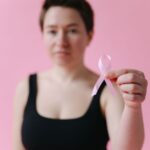
- Preventive Screenings: Making sure that screenings for cervical and breast cancer aren’t “luxury” services but accessible at every local clinic.
- Menstrual Dignity: Moving beyond just giving out pads. This is about education, clean water, and removing the “shame” that keeps girls out of school during their periods.
- Maternal Safety: Ensuring that no woman loses her life while bringing another into the world. This involves better prenatal care and trained birth attendants in rural areas.
- Mental Health Support: Recognizing that anxiety and depression in women are often tied to social pressures and domestic roles, and providing safe spaces for them to seek help.
Why Now? The Reality Check
You might wonder, why is the BcozSheMatters: WHO Health Ministry roll out campaign on women and girls health and well-being happening right now? The truth is, the last few years have been incredibly hard on women. Global events and economic shifts have seen many women putting their own health on the back burner to care for their families.
Consider the story of Meera, a 34-year-old mother of two. During the height of the recent global health crisis, Meera ignored a persistent lump in her breast because she didn’t want to “burden” the healthcare system, and she couldn’t afford the time away from her kids. By the time she finally went to a doctor, the situation was much more serious than it would have been six months earlier. The #BcozSheMatters campaign is for the Meeras of the world. It’s a reminder that her health isn’t a “burden”—it’s a priority.
The Economic Ripple Effect
There’s also a very practical reason for this campaign. Economists have long argued that when women are healthy, economies grow. A healthy woman is more likely to participate in the workforce, her children are more likely to stay in school, and the community as a whole becomes more resilient. Investing in women’s health isn’t just “the right thing to do”; it’s the smartest thing to do for the future of the country.
Breaking the Taboos: It’s Time to Talk
One of the most exciting parts of this roll-out is the focus on communication. The WHO and the Health Ministry are using social media, community radio, and local leaders to talk about things that were previously whispered about in corners.
Normalizing Menopause and Hormonal Health
For decades, menopause was treated as a “silent phase.” Women were expected to just “deal with” hot flashes, mood swings, and bone density loss without complaining. The #BcozSheMatters campaign is changing that narrative. It’s providing resources for women in their 40s and 50s to understand their bodies and seek medical support without feeling embarrassed.
Nutrition: More Than Just Calories
In many households, there is an unwritten rule: the men and children eat first, and the woman eats whatever is left. This often leads to anemia and severe vitamin deficiencies. The campaign includes a massive push for nutritional education, teaching families that a healthy mother needs the same—if not more—nutrients to keep the family engine running.
Real-World Impact: How It Looks on the Ground
So, what does this look like in a small village or a busy city suburb? It looks like a mobile health van pulling into a neighborhood, offering free blood pressure checks and iron supplements. It looks like a school assembly where boys and girls together learn that menstruation is a normal biological process, not something to be feared.
In one pilot program already underway, community health workers are using tablets to track the health milestones of pregnant women in their district. This technology, backed by the WHO’s data standards, ensures that if a woman misses an appointment, someone follows up with her immediately. This is the “BcozSheMatters: WHO Health Ministry roll out campaign on women and girls health and well-being” in action—it’s proactive, not reactive.
How You Can Support the Movement
You don’t have to be a doctor or a government official to make a difference. This campaign thrives on community involvement. Here is how you can help:
- Share Accurate Information: Use your social media to share the resources provided by the WHO and the Health Ministry.
- Check on the Women in Your Life: Sometimes, a simple “When was the last time you had a check-up?” can be the nudge a woman needs to prioritize herself.
- Advocate for Change at Work: If you’re in a leadership position, ensure your workplace has policies that support women’s health, such as menstrual leave or flexible hours for maternal care.
Key Takeaways
The BcozSheMatters: WHO Health Ministry roll out campaign on women and girls health and well-being is a landmark initiative. Here are the most important things to remember:
- Holistic Care: It’s not just about one stage of life; it’s about health from birth to old age.
- Education is Key: Breaking taboos around menstruation and menopause is a top priority.
- Accessibility: The goal is to bring high-quality healthcare to the most remote areas.
- Economic Growth: Healthy women lead to healthy, prosperous communities.
- Collective Responsibility: It takes more than just a ministry; it takes a society to change how we value women’s health.
Frequently Asked Questions (FAQ)
1. Who is the primary target of the #BcozSheMatters campaign?
The campaign focuses on women and girls of all ages, from infants to the elderly. It also targets men and community leaders to educate them on the importance of supporting women’s health.
2. Is this campaign only for rural areas?
No. While rural areas often have less access to care, the campaign also addresses urban challenges like workplace stress, sedentary lifestyle diseases, and mental health issues affecting women in cities.
3. How can I access the services offered under this campaign?
Most services are being rolled out through local government health centers, community clinics, and mobile health units. You can also check the official Health Ministry website for a list of participating hospitals and programs.
4. Does the campaign cover mental health?
Yes, mental health is a major pillar. The campaign aims to provide counseling services and reduce the stigma associated with seeking help for postpartum depression, anxiety, and other conditions.
5. Why is the WHO involved?
The WHO provides global health standards, data-driven strategies, and technical expertise to ensure the campaign follows the best practices used successfully in other parts of the world.
Final Thoughts
At the end of the day, the BcozSheMatters: WHO Health Ministry roll out campaign on women and girls health and well-being is about more than just medicine. It’s about respect. It’s about acknowledging that for too long, the backbone of our society has been working through the pain, often at a great personal cost.
By investing in the health of girls and women, we aren’t just improving individual lives—we are strengthening the very fabric of our future. It’s time we stop asking women to be “superheroes” and start giving them the healthcare and support they deserve. Because she matters. Today, tomorrow, and always.
Written with love and assistance and refined for quality.
🔗 Related: Perineal muscle strength as a predictor…
🔗 Related: Research Shows This Supplement Can Help…