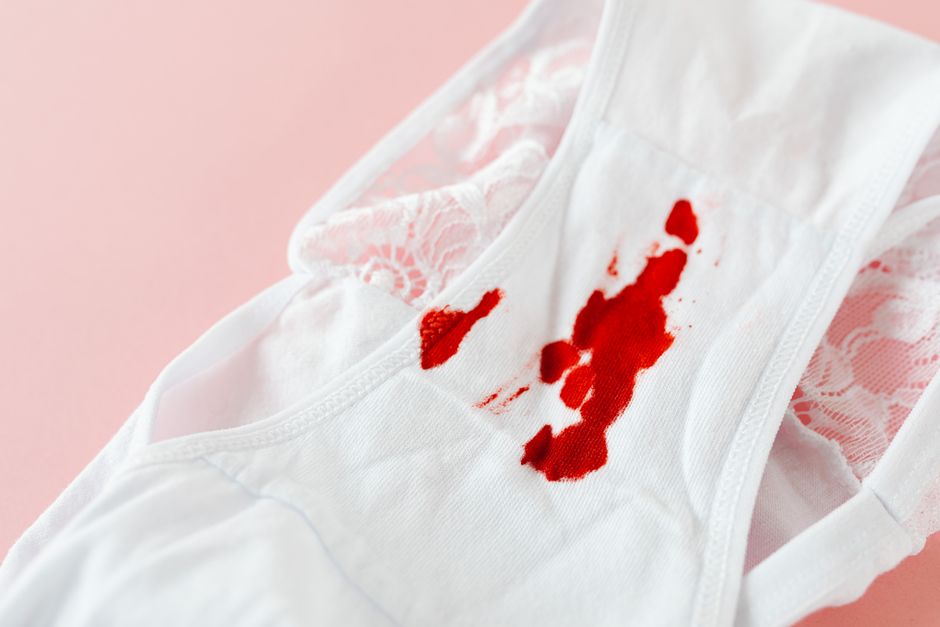
In this article, we’ll explore: Period poverty: causes and related issues and why it matters today.
Related:
👉 Why Is It Harder to Get Pregnant with PCOS? The New Science Behind Womb Health and Histone Lactylation
👉 Yes Creatine Can Help With Strength—But Its Wellness Benefits Go Way Beyond The Gym
👉 Beyond the "Hush-Hush": Perineal Muscle Strength and Stress Urinary Incontinence in Young Mothers of Mangaluru
Learn more: Period poverty: causes and related issues on Investopedia
Imagine for a moment that you are a fifteen-year-old student sitting in a math class. You feel that familiar, sharp cramp in your lower abdomen, and you realize your period has arrived. For most, this is a minor inconvenience—a quick trip to the backpack for a pad or a tampon, and life goes on. But for millions of girls and women around the world, this moment triggers a wave of panic.
Why? Because they don’t have a pad. They don’t have a tampon. And they certainly don’t have the money to go buy some. Instead, they might spend the rest of the day using bundled-up toilet paper, an old rag, or even dried leaves or newspaper. This isn’t a scene from a history book; it is a daily reality in 2024. This is the reality of period poverty.
When we talk about period poverty: causes and related issues, we aren’t just talking about a lack of products. We are talking about a global crisis that affects health, education, and human dignity. In this post, we’re going to dive deep into why this happens, who it affects, and why solving it is essential for a fair society.
What Exactly is Period Poverty?
Period poverty is a term used to describe the struggle that many low-income women and girls face when trying to afford menstrual products. However, the definition goes much deeper than just the “stuff.” It also encompasses the lack of access to clean water, private toilets, and the basic education needed to manage menstruation safely and without shame.
It is a multifaceted issue. It’s the girl in Kenya who stays home from school for five days every month because her school doesn’t have a private stall to change her cloth. It’s the homeless woman in New York City who has to choose between buying a sandwich or a box of tampons. It’s the trans man who feels unsafe accessing menstrual products in public spaces. It is a barrier to equality that remains largely invisible because of the “taboo” nature of the subject.
The Root of the Problem: Period Poverty: Causes and Related Issues
Understanding why this happens is the first step toward fixing it. There isn’t just one “cause,” but rather a web of economic and social factors that trap people in this cycle.
1. The Financial Burden and the “Pink Tax”
The most obvious cause is the cost. Menstrual products are expensive. In many parts of the world, these items are taxed as “luxury goods” rather than essential necessities. This is often referred to as the “Pink Tax.” While items like Viagra or certain snacks might be tax-exempt in some regions, pads and tampons are not. For a family living below the poverty line, spending $10 to $15 a month per person on period products is simply not sustainable.
2. Lack of Clean Water and Sanitation
You can have all the pads in the world, but if you don’t have a private place to change or clean water to wash your hands and body, you are still experiencing period poverty. In many developing nations and even in neglected urban areas, the lack of “WASH” (Water, Sanitation, and Hygiene) facilities makes it impossible to manage a period with dignity.
3. Cultural Stigma and Silence
In many cultures, menstruation is still seen as “dirty” or “shameful.” This stigma prevents people from talking about their needs. If a girl is too embarrassed to tell her father or teacher that she needs pads, she will suffer in silence. This silence is a massive contributor to the ongoing cycle of poverty because it prevents policy changes from happening.
4. Lack of Education
Many individuals grow up without a basic understanding of their own biology. Without proper menstrual health education, girls may be terrified when their first period arrives, thinking they are dying or ill. This lack of knowledge also leads to unsafe practices, such as using the same product for too long, which can lead to life-threatening infections.
The Real-World Consequences: Why It Matters
Period poverty isn’t just an “inconvenience.” It has a domino effect on almost every aspect of a person’s life. Let’s look at the related issues that stem from this crisis.
The Education Gap
One of the most heartbreaking side effects of period poverty is its impact on education. According to UNESCO, one in ten girls in Sub-Saharan Africa misses school during their menstrual cycle. Over time, these missed days add up, leading many girls to fall behind and eventually drop out of school entirely. When a girl drops out, her chances of early marriage and early pregnancy increase, locking her into a cycle of poverty that is hard to break.
Health Risks and Infections
When people cannot afford safe products, they turn to alternatives. These can include:
- Old rags or cloths
- Newspaper or cardboard
- Dried leaves or grass
- Sawdust or sand wrapped in cloth
Using these materials can lead to severe reproductive and urinary tract infections (UTIs). In extreme cases, using a single tampon for too long because you cannot afford a replacement can lead to Toxic Shock Syndrome (TSS), which can be fatal.
Mental Health and Dignity
The psychological toll of period poverty is immense. Imagine the constant anxiety of “leaking” in public because you are using an inadequate substitute. The shame, the embarrassment, and the feeling of being “less than” because you cannot afford a basic biological necessity take a massive toll on self-esteem and mental well-being.
A Story of Impact: Meet Sarah
To put a human face on these statistics, let’s look at Sarah (a composite of many real stories). Sarah is a 19-year-old university student in a large city. She works a part-time job, but after paying her rent and tuition, she has exactly $20 left for food for the week. When her period arrives, she realizes she’s out of pads. A pack costs $8.
Sarah looks at that $8 and sees two days’ worth of meals. She decides to buy the food. For the next five days, she uses folded-up toilet paper from the campus library. She skips her lectures because she’s afraid the toilet paper will slip or leak while she’s walking. She misses an important exam. Sarah isn’t “lazy” or “unprepared”; she is simply a victim of a system that hasn’t accounted for the cost of being a woman.
How We Can Solve Period Poverty
The good news is that period poverty is a solvable problem. It requires a combination of policy change, education, and community support.
- Abolishing the Pink Tax: Governments must recognize menstrual products as essential healthcare items and remove all sales taxes from them.
- Free Products in Public Spaces: Just as we expect toilet paper and soap to be free in public bathrooms, pads and tampons should be available in schools, libraries, and government buildings.
- Improving Infrastructure: Investing in clean water and private, safe toilets in schools and workplaces is non-negotiable.
- Normalizing the Conversation: We need to stop whispering about periods. The more we talk about it, the less power the stigma has, and the more likely we are to see real change.
Key Takeaways
- It’s Global: Period poverty happens in both wealthy and developing nations.
- Economic Barriers: The high cost of products and “luxury” taxes are primary drivers.
- Beyond Products: Access to clean water and private facilities is just as important as the products themselves.
- Education is Key: Missing school due to a lack of products keeps girls in a cycle of poverty.
- Health Risks: Using unsafe alternatives leads to serious physical health complications.
Frequently Asked Questions (FAQ)
Is period poverty only a problem in developing countries?
No. While it is a major issue in developing nations, it is also incredibly prevalent in wealthy countries like the US, UK, and Canada. Studies have shown that a significant percentage of low-income students in these countries have missed school because they couldn’t afford period products.
Why can’t people just use reusable products like menstrual cups?
Reusable products are a great long-term solution, but they require a high upfront cost (often $30 or more) and, more importantly, access to clean, boiling water for sterilization. For someone without a home or consistent access to a kitchen, a menstrual cup isn’t always a practical option.
How does period poverty affect men?
Period poverty affects everyone. When girls miss school, the entire economy suffers from a less educated workforce. When mothers have to choose between food and pads, the whole family’s nutrition is at risk. Furthermore, trans men and non-binary individuals also experience menstruation and often face even greater barriers to accessing safe products and facilities.
What can I do to help?
You can donate products to local shelters, support organizations like “Period.org” or “The Red Box Project,” and advocate for free products in your local schools or workplace. Most importantly, speak up and help break the stigma!
Period poverty is not just a “women’s issue.” It is a human rights issue. By understanding the period poverty: causes and related issues, we can move toward a world where a natural biological process never stands in the way of someone’s education, health, or dreams. It’s time to make periods a matter of health, not a matter of shame.
Written with love and assistance and refined for quality.
🔗 Related: Perineal muscle strength as a predictor…
🔗 Related: Yes Creatine Can Help With StrengthBut…