In this article, we’ll explore: Yes Creatine Can Help With StrengthBut Its Wellness Benefits Go Way Beyond The Gym and why it matters today.
Related:
👉 Why Young Moms in Mangaluru Shouldn't Ignore "The Sneeze Leak": Understanding Pelvic Strength
👉 Why Getting Pregnant with PCOS Can Be So Hard: The New Science of Endometrial Receptivity and Histone Lactylation
👉 More Than Just Muscle: Why Creatine is the Longevity Secret You’ve Been Missing
Learn more: Yes Creatine Can Help With StrengthBut Its Wellness Benefits Go Way Beyond The Gym on Google Search
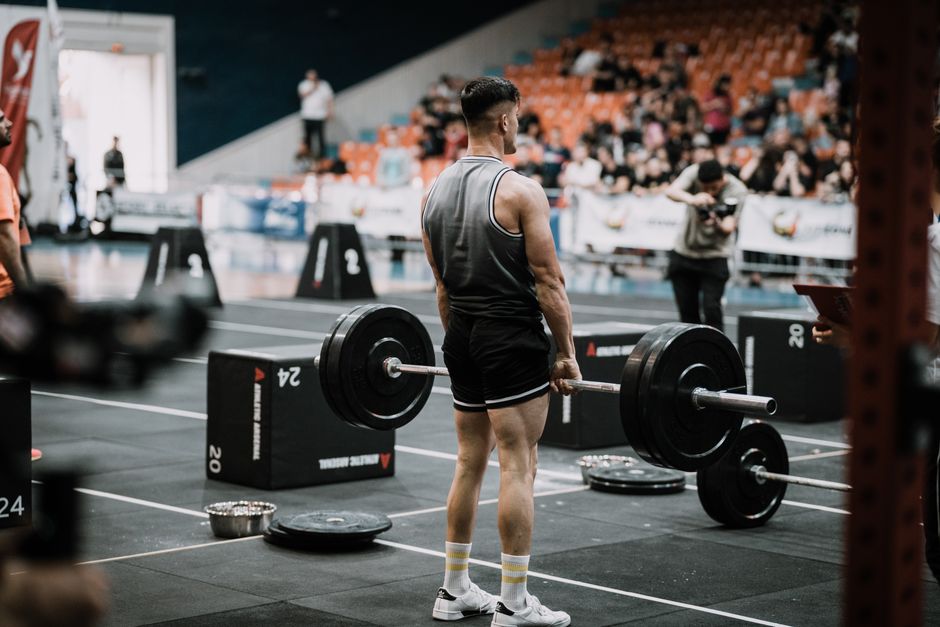
If you walked into a local supplement shop ten years ago and asked for creatine, the clerk would probably point you toward a tub featuring a picture of a guy with veins popping out of his neck. For decades, creatine has been pigeonholed as the “meathead” supplement—something strictly reserved for bodybuilders looking to add bulk or powerlifters trying to crush a new personal record.
But times are changing. Scientists are increasingly looking away from the weight bench and toward the brain, the heart, and the aging process. What they are finding is fascinating. While it’s true that Yes Creatine Can Help With StrengthBut Its Wellness Benefits Go Way Beyond The Gym, we are only just beginning to appreciate how this simple molecule supports our overall health from head to toe.
Whether you’re a busy parent struggling with “mom brain,” a vegan looking to fill a nutritional gap, or an older adult wanting to stay sharp and mobile, creatine might just be the most underrated tool in your wellness kit. Let’s dive into why this supplement deserves a spot in your morning smoothie, even if you never plan on picking up a barbell.
What Exactly Is Creatine, Anyway?
Before we talk about the benefits, let’s clear up the mystery. Creatine isn’t a steroid, a stimulant, or some lab-grown chemical. It is a nitrogenous organic acid that occurs naturally in vertebrates. In fact, your own body produces it every day in your liver, kidneys, and pancreas. You also get it from foods like red meat and fish.
Think of creatine as a backup battery for your cells. Its primary job is to help produce ATP (adenosine triphosphate), which is the fundamental energy currency of every cell in your body. When you do something explosive—like sprinting for a bus or lifting a heavy grocery bag—your body burns through ATP. Creatine steps in to “recharge” those batteries quickly.
While 95% of your body’s creatine is stored in your muscles, the remaining 5% is found in your brain and other organs. And that 5% is where the real wellness magic happens.
Yes Creatine Can Help With StrengthBut Its Wellness Benefits Go Way Beyond The Gym
We have to acknowledge the elephant in the room: creatine is incredibly effective for physical performance. It is one of the most researched supplements in history, with thousands of studies backing its safety and efficacy. It helps you do “one more rep,” which leads to better muscle tone and metabolic health.
However, the conversation is shifting. We are moving from “how much can you bench?” to “how well can you think?” and “how long can you stay active?” Here is how creatine is breaking out of the gym and into the world of general wellness.
1. A Turbocharge for Your Brain
Your brain is an energy hog. Despite making up only about 2% of your body weight, it consumes roughly 20% of your daily calories. Just like your muscles, your brain relies on ATP to function. When you’re facing a complex problem at work or trying to juggle a million tasks at home, your brain’s energy demands skyrocket.
Research has shown that creatine supplementation can improve cognitive function, particularly in tasks that require speed of processing and short-term memory. A study on individuals following a vegetarian diet (who typically have lower natural creatine levels) showed significant improvements in intelligence tests and memory tasks after supplementing with creatine.
Real-World Example: Imagine Sarah, a freelance graphic designer. She doesn’t lift weights, but she spends eight hours a day in front of a screen solving visual puzzles. She noticed that by mid-afternoon, her “brain fog” would set in. After adding a small dose of creatine to her morning tea, she found that her mental stamina lasted longer into the day. She wasn’t getting “buff,” but her brain was staying “fit.”
2. Fighting Mental Fatigue and Sleep Deprivation
We’ve all been there—the groggy feeling after a night of tossing and turning. Sleep deprivation takes a massive toll on our cognitive abilities. Interestingly, studies have suggested that creatine can help mitigate some of the negative effects of sleep loss. By keeping the brain’s energy levels topped up, creatine helps you stay sharper and more alert when you haven’t caught enough Z’s.
3. Support for Mood and Mental Health
This is one of the most exciting frontiers in creatine research. There is emerging evidence that creatine may play a role in supporting mental health. Some studies have found that creatine supplementation can enhance the effects of traditional treatments for depression. Since depression is often linked to altered energy metabolism in the brain, providing the brain with more “fuel” via creatine may help stabilize mood and improve outlook.
Aging Gracefully: The Longevity Connection
As we get older, two things happen that we all want to slow down: we lose muscle mass (a condition called sarcopenia) and our cognitive processing speeds decline. Creatine addresses both of these issues simultaneously.
- Bone Health: Some research suggests that when combined with light resistance training, creatine can help increase bone mineral density, reducing the risk of fractures as we age.
- Muscle Maintenance: You don’t need to be a bodybuilder to need muscle. Muscle is your “metabolic armor.” It helps regulate blood sugar and keeps you mobile. Creatine helps seniors maintain the strength needed for daily activities like getting out of a chair or carrying laundry.
- Neuroprotection: There is ongoing research into whether creatine can help protect against neurodegenerative diseases like Parkinson’s or Alzheimer’s by preserving mitochondrial function in the brain.
Real-World Example: Take 70-year-old Arthur. He isn’t trying to win a physique competition. He just wants to be able to garden and play with his grandkids without feeling frail. For Arthur, creatine isn’t about “gains”; it’s about independence and keeping his mind sharp for his weekly bridge club.
The Vegetarian and Vegan Advantage
Since the primary dietary sources of creatine are meat and fish, those on plant-based diets often have lower resting levels of creatine in their systems. This doesn’t mean they are deficient in a clinical sense, but they aren’t “optimized.”
For vegans and vegetarians, adding a creatine supplement can result in a more noticeable “boost” in both physical and mental energy than it does for meat-eaters. It’s a simple, vegan-friendly way to ensure your cells have the energy they need to thrive.
How to Incorporate Creatine into Your Wellness Routine
If you’re ready to try it, the good news is that creatine is incredibly simple to use. You don’t need fancy “pre-workout” drinks filled with caffeine and artificial dyes.
The “Keep It Simple” Protocol
- Type: Use Creatine Monohydrate. It is the most studied, most effective, and usually the cheapest form.
- Dosage: 3 to 5 grams per day. That’s about one teaspoon.
- Timing: It doesn’t matter. Take it whenever you’ll remember—morning, noon, or night.
- Consistency: Creatine works by saturating your cells over time. You won’t feel it instantly like coffee; you’ll notice the benefits after a week or two of daily use.
A common myth is that you need to “load” creatine by taking 20 grams a day for a week. While this gets the creatine into your system faster, it often causes stomach upset. For general wellness, a steady 5 grams a day is perfectly fine and much easier on the digestion.
Key Takeaways
- Energy Currency: Creatine helps your body produce ATP, the fuel for every cell.
- Cognitive Boost: It supports memory, focus, and mental clarity, especially during stressful times.
- Longevity Tool: It helps preserve muscle mass and bone density as we age.
- Mood Support: Emerging research links creatine to better mental health outcomes.
- Safe and Accessible: It is one of the safest, most affordable supplements available.
Frequently Asked Questions
Does creatine cause water retention?
Creatine does draw water into the cells, but it’s intracellular hydration. This means the water goes into your muscles and organs where it’s needed, not just under the skin. Most people don’t notice a “bloated” look unless they are taking very high “loading” doses.
Is creatine bad for your kidneys?
For healthy individuals, the answer is a resounding no. This myth comes from a misunderstanding of “creatinine” (a byproduct of creatine) levels in blood tests. If you have pre-existing kidney disease, you should always consult your doctor before starting any new supplement, but for the general population, it is safe.
Will it make me look bulky?
No. Muscle growth requires heavy lifting and a calorie surplus. Creatine simply gives your cells more energy. If you don’t lift heavy weights and eat a massive amount of food, you won’t wake up looking like a bodybuilder. You’ll just feel more energized.
Can women take creatine?
Absolutely. In fact, some research suggests women may benefit even more than men from the cognitive and mood-stabilizing effects of creatine, particularly during different phases of the menstrual cycle or during menopause when energy levels can fluctuate.
Final Thoughts
It’s time to stop thinking of creatine as just a “gym supplement.” While it’s true that Yes Creatine Can Help With StrengthBut Its Wellness Benefits Go Way Beyond The Gym, its real value lies in its ability to support our most vital organ: the brain. In a world that demands constant mental energy and physical resilience, creatine is a simple, safe, and effective way to give your body the extra spark it needs.
So, the next time you see that tub of white powder, don’t think of heavy weights and sweaty gyms. Think of clarity, longevity, and a better-fueled life. Your cells will thank you.
Written with love and assistance and refined for quality.
🔗 Related: BcozSheMatters: WHO Health Ministry roll out…
🔗 Related: Perineal muscle strength as a predictor…