In this article, we’ll explore: Yes Creatine Can Help With StrengthBut Its Wellness Benefits Go Way Beyond The Gym and why it matters today.
Related:
👉 Why Getting Pregnant with PCOS is So Hard: The New Science of Endometrial Receptivity and Histone Lactylation
👉 More Than Just Muscle: Why Creatine is the Secret Wellness Tool You’ve Been Missing
👉 Beyond the Silence: Why Perineal Muscle Strength is the Key to Ending Stress Urinary Incontinence for Young Moms in Mangaluru
Learn more: Yes Creatine Can Help With StrengthBut Its Wellness Benefits Go Way Beyond The Gym on Investopedia
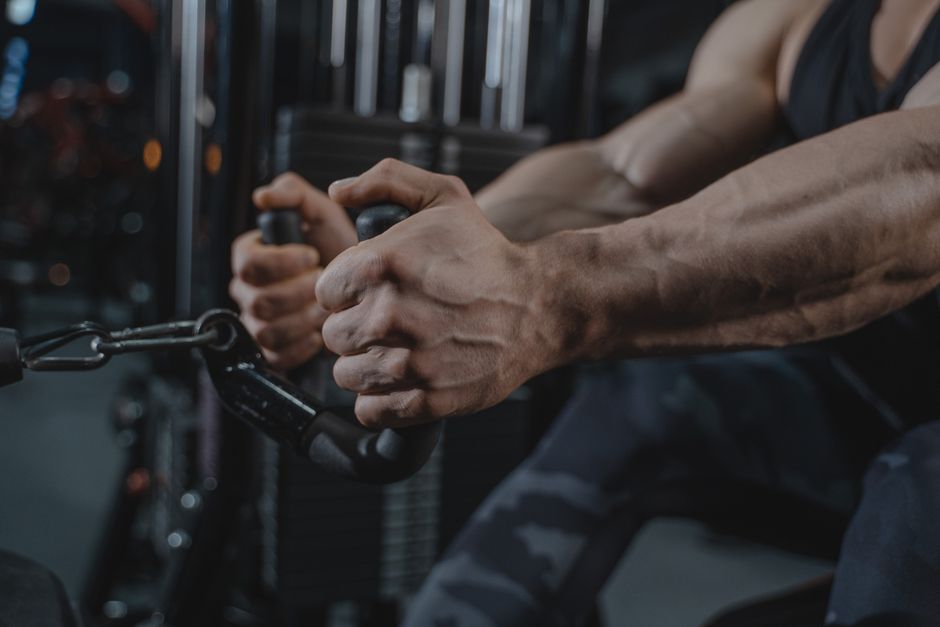
If you close your eyes and think of the word “creatine,” what do you see? For most people, it’s a vision of a “gym bro” with a gallon-sized water jug, wearing a stringer tank top, and trying to bench press a small car. For decades, creatine has been pigeonholed as a niche supplement for bodybuilders and powerlifters.
But here is the truth: the science has moved out of the weight room and into the doctor’s office. We are discovering that creatine isn’t just about getting “huge.” It is one of the most researched molecules in human nutrition, and its impact on our overall well-being is staggering. Yes Creatine Can Help With StrengthBut Its Wellness Benefits Go Way Beyond The Gym.
In this post, we’re going to peel back the labels and look at why this simple, affordable powder might just be the most underrated wellness tool in your cabinet—whether you lift weights or not.
What Exactly is Creatine, Anyway?
Before we dive into the benefits, let’s clear the air. Creatine is not a steroid. It is not a synthetic drug. It is a naturally occurring compound made of three amino acids: L-arginine, glycine, and L-methionine. Your body actually produces it every day in your liver and kidneys.
You also get it from food, specifically red meat and fish. However, to get the “therapeutic” dose that provides significant health benefits, you’d have to eat about two pounds of raw steak a day. That’s where supplementation comes in. It’s simply a way to saturate your body’s stores so your cells have plenty of energy to pull from when they need it most.
The “Battery” Metaphor
Think of your cells like a smartphone. When you’re scrolling through apps, you’re using battery life. In your body, that “battery” is a molecule called ATP. When you do something intense—like sprinting for a bus or lifting a heavy box—your cells burn through ATP quickly. Creatine acts like a backup power bank, quickly recharging those batteries so your cells can keep performing at their peak.
Yes Creatine Can Help With StrengthBut Its Wellness Benefits Go Way Beyond The Gym
We’ve established that it helps with physical power. It helps you get that extra rep or sprint that final 50 yards. But what happens when we look above the neck? What happens when we look at how we age? That is where the real magic of creatine starts to show up.
1. A Massive Boost for Your Brain
Your brain is an energy hog. Even though it only makes up about 2% of your body weight, it consumes about 20% of your daily energy. Just like your muscles, your brain relies on ATP to function. Research is increasingly showing that creatine can help with cognitive processing and mental clarity.
The Sleep Deprivation Savior
We’ve all been there: a rough night of sleep followed by a “foggy” workday. Studies have shown that when people are sleep-deprived, creatine supplementation can help maintain cognitive performance. It’s like giving your brain a second wind when your natural energy is flagging. It helps with executive function, memory, and the ability to process information quickly.
Protection Against Neurodegeneration
There is also exciting research into how creatine might protect the brain as we age. By maintaining energy levels in brain cells, it may offer a layer of defense against conditions like Parkinson’s and Huntington’s disease. While it’s not a cure, it’s a powerful tool for long-term “brain proofing.”
2. The Secret Weapon for Healthy Aging
As we get older, we face two major “invisible” enemies: Sarcopenia (muscle loss) and Osteopenia (bone density loss). Most people think these are just inevitable parts of getting old, but they don’t have to be.
- Maintaining Independence: By helping older adults maintain muscle mass, creatine ensures they can still get out of a chair, carry groceries, and walk up stairs without help.
- Bone Health: Some studies suggest that when combined with light resistance training, creatine can actually improve bone mineral density, reducing the risk of fractures and falls.
- Blood Sugar Management: There is emerging evidence that creatine may help improve glucose tolerance, which is a key factor in preventing Type 2 diabetes.
3. Why Women Should Pay Extra Attention
For a long time, creatine was marketed almost exclusively to men. This is a huge missed opportunity. Women actually tend to have lower natural creatine stores than men, and their needs can fluctuate based on their hormonal cycle.
During pregnancy, postpartum, and especially during and after menopause, creatine can be a game-changer. It helps combat the muscle loss that occurs when estrogen levels drop, and it can help stabilize the “brain fog” that many women report during the menopausal transition. It’s not about getting “bulky”—it’s about staying strong, sharp, and resilient.
Real-World Example: Meet Sarah
Sarah is a 42-year-old marketing executive and a mom of two. She doesn’t have time to spend two hours at the gym every day. She does a 20-minute yoga flow in the morning and a brisk walk at lunch. She started taking 5 grams of creatine daily not for her muscles, but because she felt “wiped out” by 3:00 PM every day.
After three weeks, Sarah noticed something. She wasn’t reaching for a third cup of coffee in the afternoon. She felt more focused during her late-day meetings. When she did her yoga, she felt “sturdier.” For Sarah, creatine wasn’t a sports supplement; it was a “life” supplement. It gave her the energy to be present for her kids after a long day of work.
4. A Must-Have for Vegetarians and Vegans
If you don’t eat meat, you are likely not getting much creatine from your diet. While your body makes some, vegetarians and vegans often have significantly lower levels in their muscle and brain tissue. Studies have shown that when vegetarians start supplementing with creatine, they often see a dramatic “jump” in memory and intelligence test scores. It’s simply filling a nutritional gap that the diet left behind.
Common Myths: Let’s Set the Record Straight
Even with all this evidence, some people are still scared to try it. Let’s bust the three biggest myths right now.
Myth 1: It’s bad for your kidneys.
This is the most persistent myth. In healthy individuals, hundreds of studies have shown that standard doses of creatine have no negative effect on kidney function. If you have pre-existing kidney disease, you should always talk to your doctor first, but for the general population, it is incredibly safe.
Myth 2: It causes hair loss.
This myth came from a single study on rugby players years ago that showed a slight increase in a hormone called DHT. However, that study has never been replicated, and no study has ever directly linked creatine to losing hair. It’s simply not a concern for the vast majority of users.
Myth 3: You’ll get bloated.
Creatine does pull water into your cells—but it pulls it inside the muscle cell, not under the skin. This is actually a good thing; hydrated cells are healthy cells. You might see a slight increase on the scale (maybe 1-2 pounds), but you won’t look “puffy.” You’ll just look more hydrated and healthy.
How to Take It for Maximum Wellness
You don’t need fancy, expensive versions like “Creatine HCL” or “Buffered Creatine.” The most researched and effective form is Creatine Monohydrate. It’s the cheapest and the most proven.
- The Dose: 3 to 5 grams per day. That’s roughly one small scoop.
- The Timing: It doesn’t really matter. Consistency is more important than timing. Take it whenever you’ll remember—in your morning coffee, your smoothie, or just a glass of water.
- The Loading Phase: You’ll hear people talk about “loading” (taking 20 grams a day for a week). You don’t need to do this. Taking 5 grams a day will get you to the same place in about three weeks without the potential for an upset stomach.
Key Takeaways
- Yes Creatine Can Help With StrengthBut Its Wellness Benefits Go Way Beyond The Gym, affecting everything from brain health to longevity.
- It acts as a backup battery for your cells, providing energy for both physical and mental tasks.
- It is particularly beneficial for aging adults, women, and those on plant-based diets.
- Creatine Monohydrate is safe, effective, and one of the most affordable supplements on the market.
- It helps with cognitive clarity, memory, and mood, especially when you are tired or stressed.
Frequently Asked Questions
Can I take creatine if I don’t exercise?
Yes! While exercise helps you get the most out of the physical benefits, the cognitive and cellular benefits happen regardless of whether you’re lifting weights. It’s a great supplement for general vitality and brain health.
Does it matter what I mix it with?
Not really. Some people like mixing it with a carbohydrate (like juice) to help with absorption, but it absorbs very well on its own or with plain water. Just make sure you drink plenty of water throughout the day, as creatine works best when you’re hydrated.
How long does it take to work?
It’s not like caffeine; you won’t feel it in 20 minutes. It takes about 2 to 4 weeks of consistent daily use for your body’s levels to reach their peak. Patience is key!
Is it safe for teenagers?
Most major sports nutrition organizations agree that creatine is safe for adolescent athletes who are eating a balanced diet and performing serious training. However, it’s always best for parents to consult with a pediatrician first.
Final Thoughts
It is time we stop looking at creatine as a “muscle builder” and start looking at it as a “human optimizer.” Whether you are a grandmother wanting to stay active with your grandkids, a student studying for finals, or a busy professional trying to beat the afternoon slump, creatine has something to offer.
The gym is just the beginning. The real benefits of creatine happen in your brain, your bones, and your daily energy levels. It’s a simple, safe, and effective way to invest in your long-term wellness. So, don’t be afraid of the tub with the muscular guy on the label—what’s inside is actually a gift for your entire body.
Written with love and assistance and refined for quality.
🔗 Related: Women with polycystic ovary syndrome exhibit…
🔗 Related: BcozSheMatters: WHO Health Ministry roll out…
🔗 Related: A perfect storm for bone loss…