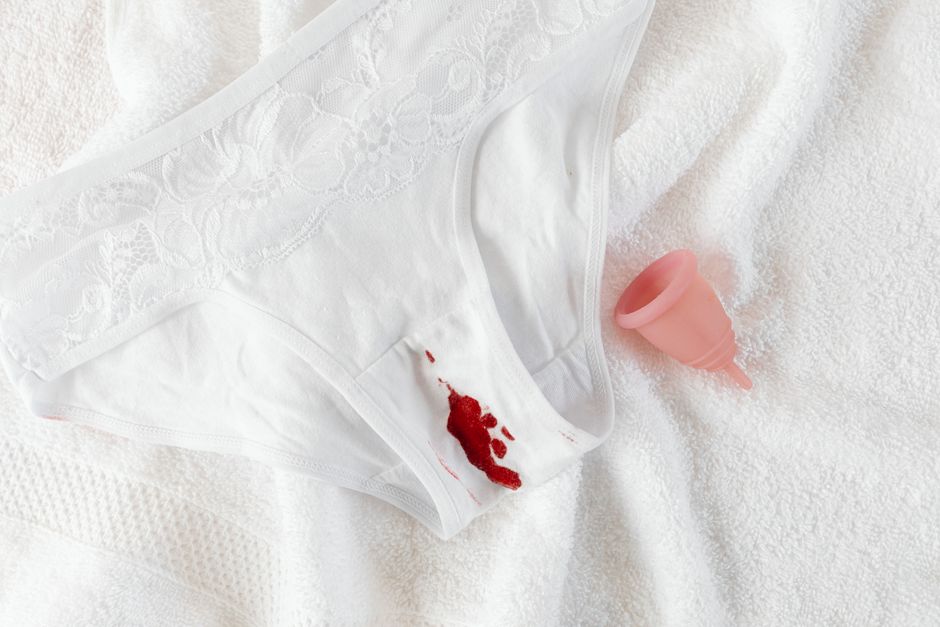
In this article, we’ll explore: Period poverty: causes and related issues and why it matters today.
Related:
👉 The Silent Risk of Rapid Weight Loss: Why Menopause and GLP-1 Drugs Are Creating a Perfect Storm for Bone Loss in Women
👉 Why Every Woman’s Health Journey is Changing: A Deep Dive into the BcozSheMatters Campaign
👉 The Silent Struggle: Why Perineal Muscle Strength is the Key to Beating Stress Urinary Incontinence for Young Moms in Mangaluru
Learn more: Period poverty: causes and related issues on Investopedia
Imagine for a moment that you are a teenage girl sitting in a classroom. You feel that familiar, dull ache in your lower back. You know your period has started. But instead of reaching into your bag for a pad or a tampon, you realize you don’t have any. You didn’t have any at home, either. Your family had to choose between buying a gallon of milk or a pack of menstrual products this week, and the milk won.
So, you spend the rest of the day sitting on a wad of toilet paper or a folded-up rag, terrified that you’ll leak through your skirt. You’re so distracted by the discomfort and the fear of embarrassment that you can’t focus on the math lesson. Eventually, you decide it’s easier just to stay home for the next three days.
This isn’t a hypothetical scenario from a distant era. This is the daily reality for millions of people worldwide. This is period poverty: causes and related issues are much deeper than just a lack of supplies—they are a matter of human rights, health, and dignity.
What Exactly is Period Poverty?
When we talk about period poverty, most people immediately think of a lack of pads or tampons. While that is a huge part of it, the definition is actually much broader. Period poverty is the lack of access to menstrual products, hygiene facilities, waste management, and education about menstruation.
It’s a global crisis that affects people in developing nations and wealthy countries alike. Whether it’s a student in London, a worker in New York, or a mother in a rural village in India, the struggle to manage a period with dignity is a shared burden for those living in financial hardship.
Period Poverty: Causes and Related Issues Explained
To solve a problem, we first have to understand why it exists. The “why” behind period poverty is a complex web of economics, culture, and systemic neglect. Let’s break down the primary drivers.
1. The Financial Burden and Inflation
The most obvious cause is the cost. In many parts of the world, menstrual products are expensive. When inflation hits, the price of “luxury” items often stabilizes, but the price of essentials like bread, milk, and pads tends to skyrocket. For a family living paycheck to paycheck, spending $10 to $15 a month on period products for multiple family members is a significant financial strain.
2. The “Pink Tax” and Systemic Inequality
In many regions, menstrual products have historically been taxed as “luxury items” rather than “necessities.” While items like Viagra or certain snacks might be tax-exempt, pads and tampons are often hit with a value-added tax (VAT). This systemic oversight makes an already expensive necessity even harder to afford.
3. Lack of Clean Water and Private Facilities
Period poverty isn’t just about the product; it’s about where you use it. In many schools and workplaces around the world, there are no private toilets, no clean running water, and no way to discreetly dispose of used products. If you can’t wash your hands or your body, you can’t manage your period safely.
4. Cultural Stigma and Silence
In many cultures, menstruation is still treated as “dirty” or “shameful.” This stigma prevents people from talking about it. When we don’t talk about periods, we don’t talk about the lack of access to products. This “culture of silence” ensures that period poverty remains a hidden crisis, tucked away behind closed doors and hushed whispers.
The Ripple Effect: Related Issues Stemming from Period Poverty
Period poverty doesn’t exist in a vacuum. It triggers a domino effect that impacts almost every area of a person’s life.
Education Disruption
One of the most heartbreaking issues related to period poverty is its impact on education. Studies have shown that 1 in 10 girls in Africa miss school during their period. In the United States, a study found that 1 in 4 students struggled to afford period products, leading many to skip class. When a student misses a week of school every single month, they fall behind, their grades suffer, and they are more likely to drop out entirely.
Serious Health Risks
When people can’t afford proper products, they get creative—but in a dangerous way. People often resort to using old rags, newspapers, husks, or even sand to absorb menstrual blood. Others might wear a single tampon or pad for 24 to 48 hours to “save” money. These practices lead to:
- Urinary tract infections (UTIs)
- Bacterial vaginosis
- Toxic Shock Syndrome (TSS), which can be fatal
- Fungal infections
Mental Health and Emotional Well-being
The psychological toll is immense. Living with period poverty means living with constant anxiety, shame, and a loss of dignity. The fear of “leaking” in public can lead to social isolation. For a young person, this shame can damage their self-esteem for years to come.
Real-World Examples: The Face of the Crisis
To truly understand the weight of this issue, we should look at how it manifests in different parts of the world.
The “Choice” in the United Kingdom: In a 2019 survey, it was found that nearly 30% of women in the UK had struggled to afford or access period products. Some reported using socks or newspapers because they had to prioritize buying food for their children over pads for themselves.
The “Chhaupadi” Tradition in Nepal: In some rural parts of Nepal, the stigma is so severe that menstruating women are forced to stay in “period huts” outside their homes because they are considered impure. While the practice is technically illegal, the underlying stigma still contributes to a massive lack of hygiene resources.
The School Crisis in the USA: Many teachers across the US report keeping a secret stash of pads in their desks, bought with their own money, because they know their students’ families can’t afford them and the school doesn’t provide them for free in the bathrooms.
How Can We End Period Poverty?
The good news is that the world is slowly waking up. There are several ways we can tackle this issue head-on:
- Policy Change: Countries like Scotland have made history by becoming the first to make period products free for everyone. Other nations should follow suit by removing the “Pink Tax.”
- School Programs: Providing free pads and tampons in school bathrooms should be as standard as providing toilet paper and soap.
- Education: Normalizing the conversation about menstruation helps break the stigma. Both boys and girls need to be educated about reproductive health to foster empathy and understanding.
- Supporting Non-Profits: Organizations like Period.org and many local “period banks” work tirelessly to distribute products to those in need.
Key Takeaways
- Period poverty is a multifaceted issue: It’s about more than just pads; it’s about water, sanitation, and education.
- It’s a global problem: It affects people in both high-income and low-income countries.
- The consequences are severe: It leads to missed education, physical health risks, and mental health struggles.
- Stigma is a major barrier: The shame surrounding periods prevents policy changes and open discussion.
- Action is possible: Through policy changes, free access in public spaces, and ending the “Pink Tax,” we can eliminate period poverty.
Frequently Asked Questions (FAQ)
Is period poverty only a problem in developing countries?
No. While the infrastructure challenges might be different, period poverty is a major issue in developed nations like the US, UK, and Canada, primarily driven by the high cost of products and the lack of support for low-income families.
How does period poverty affect the economy?
When people miss school or work because they cannot manage their periods, it leads to a loss of productivity and limits their future earning potential. Ending period poverty is actually an investment in the global economy.
What can I do to help?
You can donate products to local food banks or shelters, support legislation that removes taxes on menstrual products, and most importantly, talk about it! Breaking the silence is the first step toward breaking the cycle of poverty.
Are reusable products a solution to period poverty?
Reusable products like menstrual cups or washable pads can be a great long-term solution because they are cost-effective and eco-friendly. However, they require access to clean water and private spaces for washing, which isn’t always available to those experiencing period poverty.
Period poverty is a silent crisis, but it doesn’t have to be. By understanding the period poverty: causes and related issues, we can move toward a world where a natural bodily function never stands in the way of a person’s education, health, or dreams. It’s time we treat menstrual products for what they are: a basic necessity, not a luxury.
Written with love and assistance and refined for quality.
🔗 Related: Perineal muscle strength as a predictor…
🔗 Related: Yes Creatine Can Help With StrengthBut…