In this article, we’ll explore: 8 Foods To Avoid With an Upset Stomachand What To Eat Instead and why it matters today.
Related:
👉 Unpacking the Hormonal Blueprint: Why Women Experience Traumatic Stress Differently
👉 PCOS and the Uterus's Welcome Mat: Unpacking Impaired Endometrial Receptivity, ER, and Histone Lactylation
👉 Taming the Tumult: Your Guide to 8 Foods To Avoid With an Upset Stomach and What To Eat Instead for Quick Relief
Recommended product: 8 Foods To Avoid With an Upset Stomachand What To Eat Instead on Clickbank
Learn more: 8 Foods To Avoid With an Upset Stomachand What To Eat Instead on Investopedia
Ah, the dreaded upset stomach. We’ve all been there, haven’t we? That familiar rumble, the sudden queasiness, the feeling that your insides are staging a tiny, rebellious protest. It’s miserable, uncomfortable, and often, it leaves us wondering: “What on earth did I eat?” or more importantly, “What can I eat to make this go away?”
When your digestive system is feeling out of sorts, the last thing you want to do is throw fuel on the fire. Making the wrong food choices can prolong your discomfort, intensify symptoms like nausea, cramping, or diarrhea, and generally make you wish you could just hibernate until it passes. But here’s the good news: just as certain foods can irritate a sensitive stomach, others can act like a soothing balm, helping to calm things down and get you back on track.
As a professional blog writer and SEO expert, I’ve seen countless articles on digestive health, but today, we’re cutting straight to the chase with practical, human-friendly advice. We’re going to dive deep into the world of tummy troubles, specifically looking at 8 foods to avoid with an upset stomach and what to eat instead. So, grab a warm blanket (and maybe a ginger ale), and let’s get your gut feeling happy again!
The Culprits: 8 Foods to Steer Clear Of When Your Stomach is Grumbling
When your stomach is upset, it’s essentially sending out an S.O.S. signal. It’s asking you to be gentle, to give it a break, and to avoid anything that might make its job harder. Here are the top offenders that can turn a mild ache into a full-blown digestive disaster:
1. Spicy Foods
Oh, how we love a good kick of spice! A fiery curry, a zesty salsa, or a hot chili can be incredibly satisfying when you’re feeling well. But when your stomach is already inflamed or sensitive, capsaicin (the compound that gives chilies their heat) can act like an irritant, triggering heartburn, indigestion, and even more intense stomach pain. Imagine pouring hot sauce on an open wound – that’s essentially what you’re doing to your stomach lining. I once had a client who, thinking a spicy soup would “clear things out,” ended up spending the rest of the day regretting that decision, curled up with severe acid reflux.
- What to Eat Instead: Stick to bland, non-spicy foods like plain rice, toast, or boiled chicken.
2. Fried and Greasy Foods
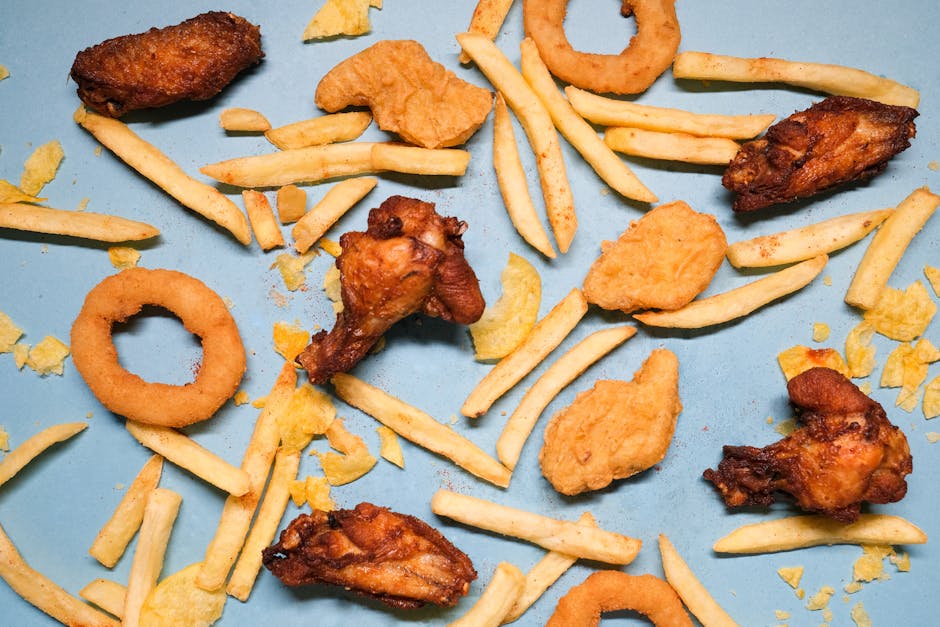
There’s something undeniably comforting about a plate of crispy fries or a greasy burger, but these are a big no-no for an upset stomach. Foods high in fat are notoriously difficult for your digestive system to break down. They sit in your stomach longer, leading to feelings of fullness, bloating, and nausea. Your body has to work overtime to process all that fat, and when it’s already struggling, this extra effort can exacerbate symptoms. Think about how sluggish you feel after a huge, greasy meal even when you’re well – now multiply that discomfort by ten!
- What to Eat Instead: Opt for baked, steamed, or grilled lean proteins and vegetables.
3. High-Fiber Foods (Initially)
Wait, isn’t fiber good for you? Yes, absolutely! Under normal circumstances, fiber is a superstar for digestive health. However, when your stomach is upset, especially if you’re dealing with diarrhea or severe cramping, a sudden influx of insoluble fiber (found in raw vegetables, whole grains, nuts, and seeds) can actually make things worse. It can speed up transit time in your gut, leading to more frequent bowel movements and increased discomfort. It’s like asking a marathon runner with a sprained ankle to sprint.
- What to Eat Instead: Start with low-fiber, easily digestible foods like white rice, bananas, applesauce, and plain toast (the BRAT diet staples). Gradually reintroduce fiber as you feel better.
4. Dairy Products (Especially Lactose)
For many people, dairy can be problematic even when their stomach is feeling fine, due to lactose intolerance. When your stomach is upset, your gut’s ability to produce lactase (the enzyme needed to break down lactose) might be temporarily compromised, even if you’re not usually lactose intolerant. This can lead to increased gas, bloating, cramping, and diarrhea. I remember a friend who loved her morning yogurt, but during a bout of stomach flu, it just made her feel exponentially worse.
- What to Eat Instead: Try lactose-free dairy alternatives or avoid dairy altogether until your stomach settles. Water, clear broths, and herbal teas are better choices for hydration.
5. Acidic Foods and Drinks
Citrus fruits like oranges and grapefruits, tomatoes, tomato-based sauces, and certain fruit juices are highly acidic. While they’re packed with vitamins, their acidity can irritate an already sensitive or inflamed stomach lining, leading to heartburn and increased discomfort. It’s like poking a bruise – you just make it hurt more. Even seemingly harmless orange juice can be a major trigger for acid reflux when your stomach is vulnerable.
- What to Eat Instead: Stick to low-acid fruits like bananas, applesauce, or melons. Water and diluted apple juice are safer drink options.
6. Caffeinated Beverages
For many of us, coffee is a non-negotiable part of the morning ritual. But when your stomach is upset, that morning brew can become your enemy. Caffeine is a stimulant that can increase stomach acid production and act as a laxative, both of which are terrible news for an already irritated digestive system. It can intensify cramping and lead to more frequent trips to the bathroom. My own experience taught me this the hard way – a desperate attempt to “power through” a stomach bug with coffee only led to more misery.
- What to Eat Instead: Herbal teas (like ginger or peppermint), plain water, or diluted electrolyte drinks are much gentler on your system.
7. Alcohol
This one might seem obvious, but it’s worth reiterating. Alcohol is a direct irritant to the stomach lining. It can increase stomach acid, dehydrate you, and disrupt the delicate balance of your gut microbiome. When your stomach is upset, your body is already struggling, and adding alcohol into the mix is like adding insult to injury. It’s the digestive equivalent of trying to run a sprint with a fractured leg.
- What to Eat Instead: Focus on rehydrating with water, clear broths, or electrolyte solutions.
8. Processed and Sugary Foods
Think about highly processed snacks, sugary cereals, candies, and baked goods. These foods often contain refined sugars, artificial sweeteners, unhealthy fats, and a host of additives that can be difficult for your digestive system to process. Sugary foods can also feed “bad” bacteria in your gut, potentially worsening gas and bloating. When you’re feeling unwell, your body needs nutrient-dense, easily digestible fuel, not empty calories that require extra effort to break down.
- What to Eat Instead: Opt for simple, whole foods like plain rice cakes, baked potatoes, or unsweetened applesauce.
Comfort Foods for Recovery: What to Embrace
So, now that we know what to avoid, what should you eat to soothe your stomach and aid recovery? The general rule of thumb is to stick to bland, easily digestible foods. Think “gentle” and “nourishing.”
- Bananas: Easy to digest, provide potassium (important if you’ve been losing fluids), and can help firm up stools.
- Rice: Plain white rice is low in fiber and easy on the stomach.
- Applesauce: A good source of pectin, which can help bind stools.
- Toast: Plain white toast is easily digestible. Avoid butter or jam initially.
- Ginger: Known for its anti-nausea properties. Try ginger tea (decaffeinated) or small pieces of candied ginger.
- Peppermint: Peppermint tea can help relax stomach muscles and ease cramping.
- Clear Broths: Chicken or vegetable broth provides hydration and electrolytes without being heavy.
- Boiled or Steamed Lean Protein: Think plain chicken breast or fish. Easy to digest and provides essential nutrients.
- Crackers: Saltine crackers can help absorb stomach acid and ease nausea.
Remember, the goal is to give your digestive system a much-needed break. Start small, eat slowly, and listen to your body. As you begin to feel better, you can gradually reintroduce other foods, paying close attention to how your stomach reacts.
Key Takeaways for a Happy Tummy
Dealing with an upset stomach is never fun, but making smart food choices can significantly shorten your recovery time and ease discomfort. Here are the core principles to remember:
- Bland is Best: When in doubt, choose plain, unseasoned foods.
- Hydration is Crucial: Sip on water, clear broths, and electrolyte drinks to prevent dehydration.
- Listen to Your Body: Everyone is different. Pay attention to what makes you feel better and what makes you feel worse.
- Small and Frequent: Instead of large meals, opt for smaller, more frequent portions to avoid overloading your digestive system.
- Gradual Reintroduction: Don’t rush back to your normal diet. Reintroduce foods slowly and mindfully.
By understanding which of the 8 foods to avoid with an upset stomach and what to eat instead, you’re empowering yourself to navigate through those uncomfortable moments with greater ease and get back to feeling your best.
Frequently Asked Questions About Upset Stomachs and Food Choices
Q: How long should I stick to a bland diet after an upset stomach?
A: Generally, it’s recommended to stick to a bland diet for at least 24-48 hours after your symptoms subside. Gradually reintroduce your regular diet over a few days, paying attention to how you feel.
Q: Can I drink coffee if I have an upset stomach?
A: It’s best to avoid coffee and other caffeinated beverages. Caffeine can irritate your stomach lining and act as a laxative, potentially worsening your symptoms. Opt for herbal teas or water instead.
Q: When should I see a doctor for an upset stomach?
A: If your symptoms are severe, include a high fever, bloody stools, severe abdominal pain, or last for more than a few days, it’s important to consult a doctor. Persistent vomiting or signs of dehydration also warrant medical attention.
Q: Are probiotics helpful for an upset stomach?
A: Probiotics can sometimes be helpful, especially if your upset stomach is due to an imbalance in gut bacteria (e.g., after antibiotics). However, it’s best to consult your doctor before starting any new supplements, especially when you’re feeling unwell.
Q: What if I don’t feel like eating anything at all?
A: If you don’t feel like eating, focus on staying hydrated. Sip on water, clear broths, or electrolyte solutions. Once you feel a little better, start with very small amounts of bland foods like crackers or applesauce.
Remember, your gut health is a journey, not a destination. Learning what works for your body, especially during times of distress, is a powerful step towards overall well-being. Here’s to a happier, healthier stomach!
Written with love and assistance and refined for quality.
{“@context”:”https://schema.org”,”@type”:”Article”,”headline”:”Navigating the Nausea: 8 Foods To Avoid With an Upset Stomach and What To Eat Instead for a Speedy Recovery”,”description”:”In this article, weu2019ll explore: 8 Foods To Avoid With an Upset Stomachand What To Eat Instead and why it…”,”author”:{“@type”:”Person”,”name”:”Dr. Cuterus”},”datePublished”:”2026-05-18T08:37:14+00:00″,”dateModified”:”2026-05-18T08:37:14+00:00″,”mainEntityOfPage”:”https://healthyworldz.com/navigating-the-nausea-8-foods-to-avoid-with-an-upset-stomach-and-what-to-eat-instead-for-a-speedy-recovery/”,”image”:[“https://healthyworldz.com/wp-content/uploads/2026/05/8-foods-to-avoid-with-an-upset-stomachand-what-to-eat-instead-78.jpg”]}
🔗 Related: Women with polycystic ovary syndrome exhibit…
🔗 Related: Hormonal mechanisms of womens risk in…
🔗 Related: 8 Foods To Avoid With an…