In this article, we’ll explore: 8 Foods To Avoid With an Upset Stomachand What To Eat Instead and why it matters today.
Related:
👉 Unpacking the Invisible Burden: Understanding the Hormonal Mechanisms of Women's Risk in the Face of Traumatic Stress
👉 Unlocking the Womb: How PCOS Affects Endometrial Receptivity and What Excessive ER & Histone Lactylation Mean for You
👉 Navigating the Queasy Waters: 8 Foods To Avoid With an Upset Stomach and What To Eat Instead
Recommended product: 8 Foods To Avoid With an Upset Stomachand What To Eat Instead on Clickbank
Learn more: 8 Foods To Avoid With an Upset Stomachand What To Eat Instead on Investopedia
Ever been there? That familiar rumble, the sudden nausea, the uncomfortable churn in your gut that screams, “Something’s not right!” An upset stomach can throw a wrench into your entire day, making even the simplest tasks feel like Herculean efforts. Whether it’s a fleeting bout of indigestion, a touch of food poisoning, or just a general feeling of unease, knowing what to put – and crucially, what *not* to put – into your body can make a world of difference.
As a professional blog writer and SEO expert, I know you’re looking for practical, easy-to-understand advice that genuinely helps. And when it comes to digestive distress, what we consume is often the first line of defense or, unfortunately, the primary culprit. This isn’t just about avoiding discomfort; it’s about giving your body the best chance to heal and recover. So, let’s dive deep into the world of gut-friendly eating. We’re going to explore the **8 foods to avoid with an upset stomach and what to eat instead**, helping you find relief and get back to feeling like yourself.
The Culprits: 8 Foods to Steer Clear Of When Your Stomach is Grumbling
When your digestive system is already feeling sensitive, certain foods can act like gasoline on a fire. They can irritate the stomach lining, increase acid production, or simply be too difficult for your compromised system to break down. Let’s look at the usual suspects.
1. Spicy Foods
Imagine biting into a fiery chili pepper when your stomach already feels like a washing machine. Not a pleasant thought, right? Spicy foods, rich in capsaicin (the compound that gives chilies their heat), can irritate the stomach lining and stimulate the digestive tract, leading to increased acid production, heartburn, and even diarrhea. While some people tolerate spice well, when your stomach is upset, it’s best to give it a break.
* **What to Eat Instead:** Stick to bland, non-spicy options. Think plain rice, boiled potatoes, or mild, unseasoned chicken.
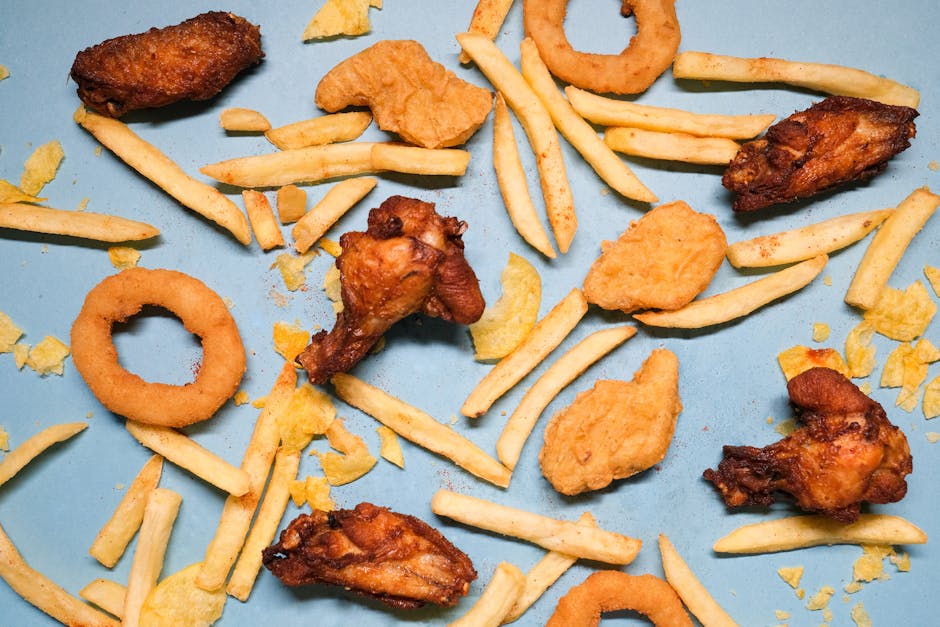
2. High-Fat and Fried Foods
Oh, the allure of crispy fried chicken or a greasy burger! They might taste good going down, but they’re a nightmare for an upset stomach. Foods high in fat take longer to digest, putting extra strain on your digestive system. This can lead to bloating, nausea, and indigestion, making your existing discomfort even worse. Your body has to work overtime to process these heavy meals, which is the last thing you want when it’s trying to recover.
* **What to Eat Instead:** Opt for lean protein sources like baked chicken breast or fish, and healthy fats from avocados (in moderation) or olive oil (also in moderation, once your stomach settles). Steamed vegetables are also a great choice.
3. Acidic Foods (Citrus Fruits, Tomatoes)
While fruits like oranges and grapefruits are packed with Vitamin C and usually great for you, their high acidity can be problematic when your stomach is sensitive. The same goes for tomatoes and tomato-based products like pasta sauce or ketchup. This acidity can exacerbate heartburn, acid reflux, and general stomach discomfort, especially if you’re already prone to these issues.
* **What to Eat Instead:** Choose less acidic fruits and vegetables like bananas, applesauce, or steamed green beans. Watermelon can also be a good choice as it’s hydrating and relatively low in acid.
4. Dairy Products
For many people, dairy can be a real troublemaker when their stomach is upset, even if they don’t usually have severe lactose intolerance. Lactose, the sugar found in milk and other dairy products, can be difficult to digest, especially when your gut flora is already imbalanced. This can lead to gas, bloating, cramps, and diarrhea.
* **What to Eat Instead:** Try lactose-free dairy alternatives like almond milk or oat milk. If you need protein, consider lean meats or plant-based protein sources. Small amounts of plain, unsweetened yogurt with live cultures might be okay for some, as the cultures help break down lactose, but proceed with caution.
5. Caffeinated Drinks (Coffee, Energy Drinks)
That morning cup of coffee might be your usual wake-up call, but when your stomach is acting up, it can be your worst enemy. Caffeine is a stimulant that can increase stomach acid production and act as a laxative, potentially worsening diarrhea or cramping. Energy drinks are even worse, often loaded with caffeine, sugar, and artificial ingredients that can further irritate a sensitive gut.
* **What to Eat Instead:** Stick to water, clear broths, or calming herbal teas like ginger tea or chamomile tea, which are known for their soothing properties.
6. Carbonated Beverages
The fizz in sodas, sparkling water, and other carbonated drinks comes from dissolved carbon dioxide gas. While refreshing, this gas can cause bloating and gas in your stomach, adding to discomfort. Imagine your already upset stomach trying to deal with an influx of bubbles – it’s a recipe for more pain and distension. Plus, many sodas are high in sugar, which can also be detrimental.
* **What to Eat Instead:** Plain water is always best. If you crave flavor, try diluted fruit juice (like apple juice) or herbal teas.
7. Highly Processed and Sugary Snacks
Those tempting cookies, candies, and potato chips might offer temporary comfort, but they’re often loaded with refined sugars, unhealthy fats, and artificial ingredients that can wreak havoc on your digestive system. Sugar can feed bad bacteria in your gut, leading to gas and bloating, while artificial additives can be difficult for your body to process.
* **What to Eat Instead:** Reach for simple, natural options. A plain banana, a slice of dry toast, or some unsweetened applesauce are much kinder to your digestive system.
8. Raw, High-Fiber Vegetables and Legumes
This one might surprise you, as vegetables are generally good for you! However, when your stomach is upset, raw, high-fiber vegetables (like broccoli, cabbage, or bell peppers) can be difficult to digest. Their fibrous nature requires a lot of work from your digestive system, which might already be struggling. Legumes like beans and lentils, while nutritious, are also known for causing gas and bloating due to their complex carbohydrates.
* **What to Eat Instead:** Opt for cooked, low-fiber vegetables like peeled and boiled carrots, zucchini, or well-cooked sweet potatoes. Cooked white rice is also a safe bet. Introduce fiber slowly as your stomach recovers.
The Soothers: What to Eat When Your Stomach Needs a Hug
Now that we’ve covered what to avoid, let’s talk about the good guys – the foods that can help calm your stomach and aid in recovery. These are often referred to as “BRAT” diet foods, but there are other gentle options too.
* **Bananas:** Easy to digest, provide energy, and can help replenish electrolytes lost through vomiting or diarrhea.
* **Rice (White):** Bland, low in fiber, and easy on the stomach. It can help bind stools and provide simple carbohydrates for energy.
* **Applesauce:** A good source of pectin, a soluble fiber that can help firm up stools. It’s also easy to digest.
* **Toast (Plain, White):** Simple carbohydrates that are easy to digest. Avoid whole-grain varieties initially as they can be too fibrous.
* **Ginger:** Known for its anti-nausea properties. Ginger tea or small amounts of fresh ginger can be very soothing.
* **Herbal Teas:** Chamomile, peppermint, and ginger teas are excellent for calming the digestive tract and reducing nausea.
* **Clear Broths:** Chicken or vegetable broth can help replenish fluids and electrolytes without irritating the stomach. They also provide some nutrients.
* **Boiled Potatoes (Peeled):** Bland, easy to digest, and a good source of energy.
Key Takeaways for a Happy Tummy
When your stomach is feeling off, remember these crucial points:
* **Listen to Your Body:** Everyone is different. Pay attention to how certain foods make you feel.
* **Start Bland:** When in doubt, opt for plain, simple, and easily digestible foods.
* **Stay Hydrated:** Drink plenty of water, clear broths, and herbal teas to prevent dehydration.
* **Eat Small, Frequent Meals:** Don’t overload your digestive system. Smaller portions are easier to handle.
* **Introduce Foods Slowly:** As you start to feel better, gradually reintroduce a wider variety of foods.
Frequently Asked Questions About Upset Stomachs and Food
Q1: How long should I avoid these foods?
A: It depends on the severity and cause of your upset stomach. For mild cases, you might feel better in a day or two. For more severe issues, it could be several days. The general rule is to stick to bland foods until your symptoms have completely resolved and then slowly reintroduce other foods one at a time to see how you react.
Q2: Is it okay to eat bland food for a long time?
A: While bland foods are great for acute stomach upset, they don’t provide a full spectrum of nutrients. Once you feel better, it’s important to gradually reintroduce a balanced diet with fruits, vegetables, lean proteins, and whole grains to ensure you’re getting all the necessary vitamins and minerals for long-term health.
Q3: When should I see a doctor for an upset stomach?
A: If your upset stomach is accompanied by severe pain, high fever, persistent vomiting or diarrhea (especially if it lasts more than 24-48 hours), signs of dehydration, blood in your stool or vomit, or if you have underlying health conditions, it’s crucial to seek medical attention promptly.
Q4: Are there any universal “safe” foods for everyone with an upset stomach?
A: While foods like bananas, rice, applesauce, and toast (the BRAT diet) are generally considered safe and soothing for most people, individual sensitivities can vary. Plain water, clear broths, and ginger tea are also widely tolerated. Always start with very small portions to test your body’s reaction.
Bringing It All Together
Dealing with an upset stomach is never fun, but you’re not powerless. By understanding which foods to avoid and what to embrace, you can significantly ease your discomfort and speed up your recovery. Remember, your digestive system is a delicate ecosystem, and nourishing it with the right foods is key to maintaining overall health and well-being. So, the next time your tummy starts to rumble, you’ll know exactly which of the **8 foods to avoid with an upset stomach and what to eat instead** to bring peace back to your gut. Here’s to feeling better, one gentle bite at a time!
Written with love and assistance and refined for quality.
{“@context”:”https://schema.org”,”@type”:”Article”,”headline”:”Navigating the Queasy: 8 Foods To Avoid With an Upset Stomach and What To Eat Instead”,”description”:”In this article, weu2019ll explore: 8 Foods To Avoid With an Upset Stomachand What To Eat Instead and why it…”,”author”:{“@type”:”Person”,”name”:”Dr. Cuterus”},”datePublished”:”2026-05-17T11:44:09+00:00″,”dateModified”:”2026-05-17T11:44:09+00:00″,”mainEntityOfPage”:”https://healthyworldz.com/navigating-the-queasy-8-foods-to-avoid-with-an-upset-stomach-and-what-to-eat-instead-6/”,”image”:[“https://healthyworldz.com/wp-content/uploads/2026/05/8-foods-to-avoid-with-an-upset-stomachand-what-to-eat-instead-73.jpg”]}
🔗 Related: Women with polycystic ovary syndrome exhibit…
🔗 Related: Hormonal mechanisms of womens risk in…
🔗 Related: 8 Foods To Avoid With an…