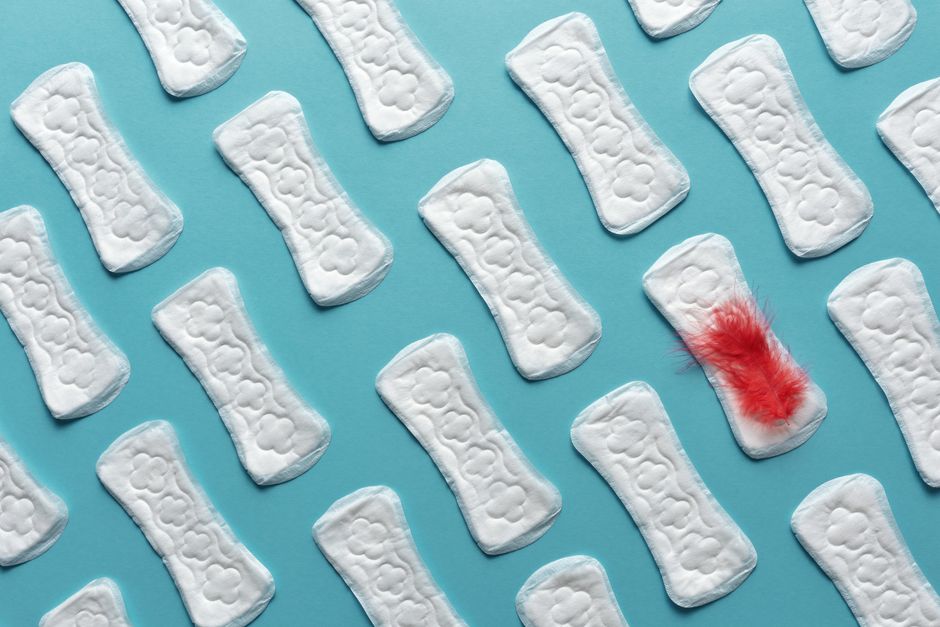
In this article, we’ll explore: Period poverty: A global menstrual health crisis and why it matters today.
Related:
👉 Breaking the Silence: Why Period Poverty Is a Global Menstrual Health Crisis We Can’t Ignore
👉 Why Am I Losing Inches But Not Weight? Here Are 4 Possible Reasons The Scale Isn’t Changing
👉 Why the Stress Response Isn’t One-Size-Fits-All: Understanding Hormonal Mechanisms of Women’s Risk in the Face of Traumatic Stress
Learn more: Period poverty: A global menstrual health crisis on Google Search
Imagine being a teenage girl named Amina living in a small village. Every month, like clockwork, Amina faces a choice that no child should ever have to make: should she go to school and risk the humiliation of blood staining her uniform, or should she stay home and fall behind in her studies? Amina’s family can barely afford a bag of maize for dinner, so buying a pack of sanitary pads is an impossible luxury. Instead, she uses old, coarse rags or even dried leaves to manage her flow.
Amina isn’t a fictional character in a tragic novel. She represents millions of people worldwide. This is the reality of period poverty: a global menstrual health crisis that affects dignity, health, and education across every continent.
In this post, we are going to dive deep into what period poverty actually looks like, why it’s happening in both developing and wealthy nations, and what we can do to stop it. It’s time to break the silence and treat menstrual health as the human right it truly is.
What Exactly is Period Poverty?
When people hear the term “period poverty,” they often think it just means not having enough money to buy pads or tampons. While that is a huge part of it, the crisis is actually much broader. Period poverty is the lack of access to menstrual products, hygiene facilities, waste management, and education.
To understand the scale of the problem, we have to look at its three main pillars:
- Financial Barriers: The high cost of menstrual products, often worsened by “tampon taxes” that treat these essentials as luxury items.
- Lack of Infrastructure: Not having access to clean water, private toilets, or a safe way to dispose of used products.
- The Stigma and Silence: Cultural taboos that make people feel ashamed to talk about their periods, leading to a lack of education and support.
When we talk about period poverty: a global menstrual health crisis, we are talking about a systemic failure that traps people in a cycle of shame and missed opportunities.
The Hidden Health Risks
Period poverty isn’t just uncomfortable; it’s dangerous. When someone cannot afford safe menstrual products, they are forced to improvise. People have reported using old socks, newspaper, toilet paper, or even sand wrapped in cloth.
Using these unhygienic materials can lead to severe health consequences, including:
1. Reproductive and Urinary Tract Infections (UTIs)
Using dirty rags or keeping a single pad on for 24 hours because you can’t afford another one creates a breeding ground for bacteria. This leads to painful infections that, if left untreated, can cause long-term reproductive health issues.
2. Toxic Shock Syndrome (TSS)
While rare, TSS is a life-threatening condition often associated with leaving tampons in for too long. For someone in poverty who is trying to “stretch” their limited supply of tampons, the risk increases significantly.
3. Mental Health Struggles
The constant anxiety of “leaking” in public or the shame of having to ask for help can take a massive toll on a person’s mental well-being. It leads to social isolation, depression, and a loss of self-esteem.
Education and the “Missing Week”
One of the most heartbreaking aspects of this crisis is its impact on education. In many parts of the world, girls miss up to 20% of the school year because of their periods. If you miss a week of school every month, it becomes nearly impossible to keep up with your peers.
In Kenya, for example, research has shown that some girls are forced into “sex for pads”—engaging in transactional sex with older men just to afford basic sanitary products. In India, nearly 23 million girls drop out of school annually after they start menstruating because of a lack of functional toilets and pads.
This isn’t just a “developing world” problem, either. In the United States, a study found that 1 in 5 teens have struggled to afford period products or have missed school because of it. When we fail to provide menstrual equity, we are essentially telling half the population that their education is less important than a biological process they cannot control.
Real-World Examples: Successes and Struggles
While the situation is dire, there are glimmers of hope. Countries and communities are starting to wake up to the reality of period poverty: a global menstrual health crisis.
Scotland: The Global Leader
In 2020, Scotland made history by becoming the first country in the world to make period products free for everyone. The Period Products (Free Provision) Act ensures that anyone who needs pads or tampons can get them at designated public places like pharmacies and youth clubs. This move shifted the conversation from “charity” to “human rights.”
The “Tampon Tax” Movement
In many countries, menstrual products are taxed as “luxury goods” while items like Viagra or golf club memberships are exempt. Activists in countries like the UK, Australia, and several US states have successfully lobbied to have these taxes removed, making products slightly more affordable for the average person.
Grassroots Innovations
In rural India, Arunachalam Muruganantham (known as the “Pad Man”) invented a low-cost machine to manufacture sanitary pads. His invention allowed local women to produce and sell affordable pads within their communities, creating jobs while solving a health crisis.
The Stigma: Breaking the Final Taboo
We can provide all the pads in the world, but if we don’t address the stigma, the crisis will persist. In some cultures, menstruating people are considered “impure.” They may be forbidden from entering the kitchen, touching communal water sources, or attending religious services.
This silence is deadly. When periods are treated as a “dirty secret,” young people don’t get the education they need to understand their bodies. They don’t know what a “normal” period looks like, which means they don’t seek help when something is wrong, like endometriosis or severe anemia.
To solve period poverty, we have to start talking about it. We need men and boys in the conversation. We need periods to be discussed in classrooms without giggles or hushed tones. We need to normalize the fact that bleeding is a sign of a healthy, functioning body.
Key Takeaways
- Period poverty is multi-faceted: It involves a lack of products, lack of clean water, and a lack of education.
- It is a global issue: It affects people in the US, UK, and Europe just as it affects people in Sub-Saharan Africa and Southeast Asia.
- Health and Education are at stake: Lack of products leads to dangerous infections and forces millions of students to drop out of school.
- Policy changes work: Removing taxes and providing free products in schools are proven ways to combat the crisis.
- Stigma is a barrier: Cultural taboos prevent people from seeking help and infrastructure.
How You Can Help
You don’t need to be a politician to make a difference. Here are a few ways you can help end period poverty in your own community:
- Donate products: Food banks and homeless shelters are always in desperate need of pads and tampons. They are among the least donated but most requested items.
- Support NGOs: Organizations like Period.org, Days for Girls, and ActionAid are doing incredible work on the ground.
- Advocate for policy: Write to your local representatives and ask them to support free period products in schools and public buildings.
- Talk about it: The more we talk about periods, the less power the stigma has.
Frequently Asked Questions (FAQ)
What is the main cause of period poverty?
The main causes are high costs of products, lack of access to clean water and private toilets, and cultural taboos that prevent education and open discussion about menstrual health.
Does period poverty only happen in poor countries?
No. Period poverty is a significant issue in wealthy nations like the US, Canada, and the UK. High inflation and the “pink tax” make it difficult for low-income families everywhere to afford monthly supplies.
How does period poverty affect the economy?
When women and girls miss school or work due to their periods, it reduces their long-term earning potential and limits their contribution to the economy. Investing in menstrual health is actually an investment in a country’s economic future.
What are “sustainable” period products?
Sustainable products include menstrual cups, period underwear, and washable cloth pads. While they have a higher upfront cost, they can last for years, making them a great long-term solution for period poverty if the user has access to clean water for washing.
Final Thoughts
The fight against period poverty: a global menstrual health crisis is a fight for equality. It is a fight to ensure that no one is held back by a natural biological function. Whether it’s through policy change in Scotland or grassroots movements in Kenya, the momentum is building.
Periods don’t stop for pandemics, wars, or poverty. And our efforts to ensure menstrual dignity shouldn’t stop either. By educating ourselves and supporting those in need, we can create a world where every person can bleed with dignity and without fear.
Written with love and assistance and refined for quality.